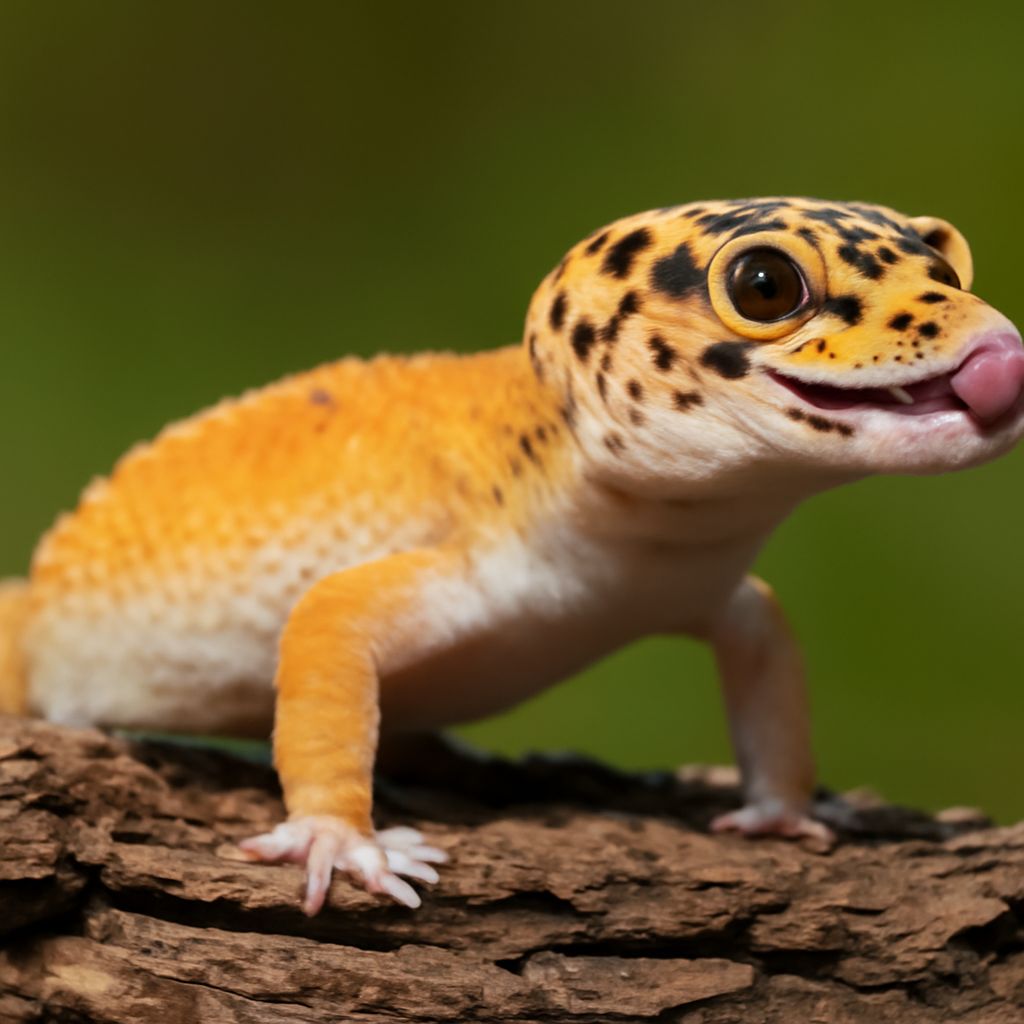
The idea of owning a pet dragon appeals to a wide range of animal enthusiasts, from those drawn to exotic reptiles to families looking for an unusual but manageable companion. An australian shepherd service dog requires extensive training and handler commitment, while reptile ownership demands a different kind of dedication focused on habitat engineering and temperature control. Pet dragons vary widely in size, temperament, and care requirements, so the label covers everything from a calm bearded dragon to the more demanding frilled dragon pet. Swedish pet names like “Drage” or “Orm” show how cross-cultural the appeal of reptile keeping has become. Understanding what you are committing to before acquiring any of the pet dragons available today prevents both suffering for the animal and disappointment for the owner.
Most reptiles sold as pet dragons are lizards, not mythological creatures. They need ultraviolet lighting, precise temperature gradients, live or fresh food, and regular veterinary care from a reptile-experienced clinician.
Types of Pet Dragons Available
Bearded Dragon
Bearded dragons are the most common reptile companions in this category. They reach 18 to 24 inches, tolerate handling well, and eat a mix of insects and leafy greens. A basking spot of 100 to 110 degrees Fahrenheit paired with a cool side of 80 to 85 degrees keeps them healthy. UVB lighting is not optional; without it, metabolic bone disease develops within months.
Frilled Dragon
A frilled dragon pet presents a more advanced challenge. These arboreal lizards from Australia and New Guinea need tall enclosures with climbing structures, high humidity, and temperatures reaching 95 to 100 degrees at the basking spot. They are faster and more flighty than bearded dragons and take longer to acclimate to handling. Experienced reptile keepers find them rewarding; beginners often find them frustrating.
Chinese Water Dragon
Chinese water dragons are a mid-level option, calmer than frilled dragons but more demanding than bearded dragons. They need large enclosures with a water feature, high humidity around 70 to 80 percent, and a diet of crickets, roaches, and occasional feeder fish.
Core Care Requirements
All pet dragons share several non-negotiable care elements. A quality UVB bulb covering at least two-thirds of the enclosure length and replaced every six months provides the ultraviolet radiation that enables calcium metabolism. A temperature gradient lets the animal thermoregulate by moving between warm and cool zones. Fresh water must be available at all times. A veterinarian with documented reptile experience should examine any new dragon within the first week and annually thereafter.
Diet varies by species but generally includes insects dusted with calcium powder and vitamin D3 at most feedings, with greens and vegetables forming a significant portion of the diet for omnivorous species like bearded dragons.
Bottom Line
A pet dragon is a long-term commitment, with bearded dragons living 10 to 15 years and frilled dragon pets reaching similar lifespans in good conditions. Research the specific species before purchase, set up the enclosure fully before the animal arrives, and locate a reptile vet in your area. The right preparation makes reptile keeping genuinely enjoyable.