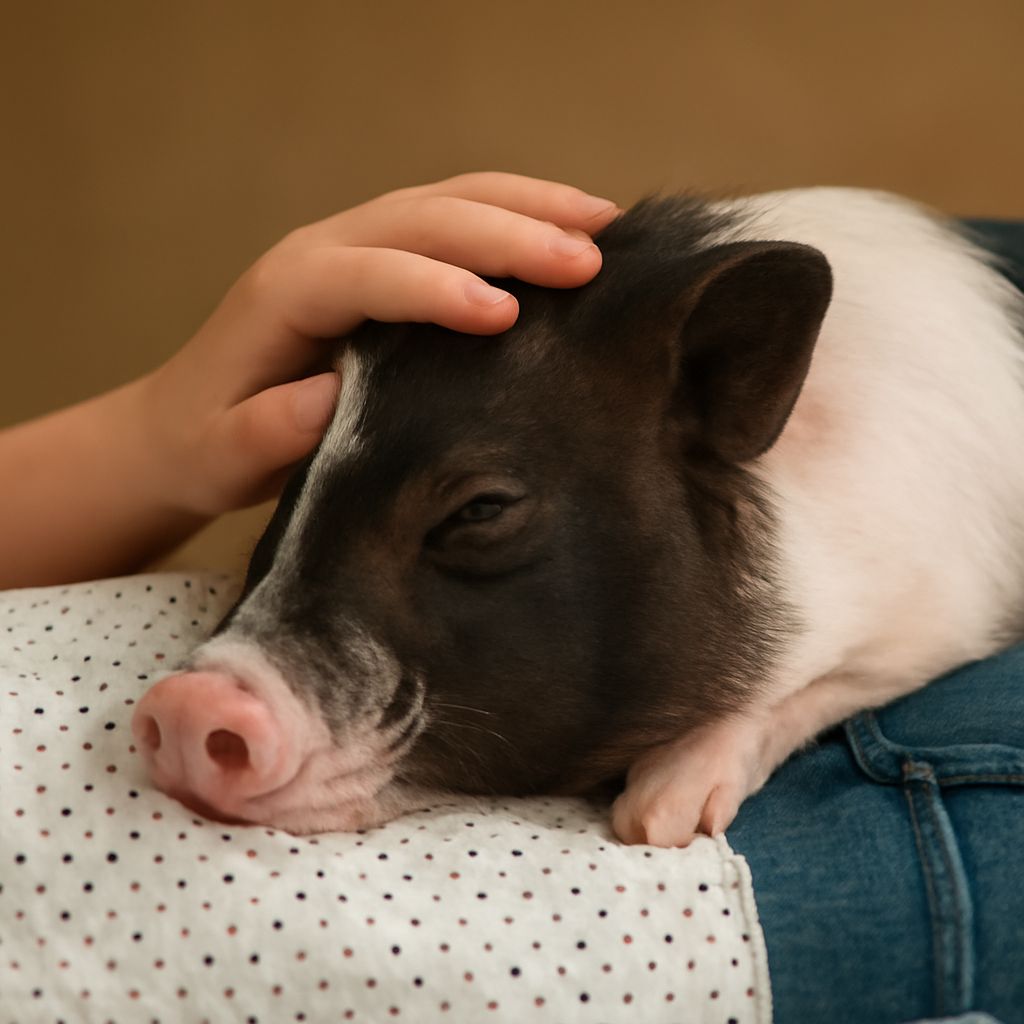
Miniature pigs as pets have a reputation for being compact, manageable animals that stay small forever. That reputation is largely false. Most pigs sold as “teacup” or “micro” pigs reach 50 to 150 pounds as adults, sometimes more. A pig as pet requires significantly more space, time, and specialized care than most new owners expect. The best pigs for pets are not the smallest ones but the ones whose care requirements best match your lifestyle. Having a pig as a pet means committing to a 15 to 20 year relationship with an animal that is as intelligent as a dog but has very different social and environmental needs. Owning a pet pig without proper preparation leads to surrendered animals and unnecessary stress for both pig and owner.
This guide covers the realities of pig ownership so you can make an informed decision before bringing one home.
How Big Do “Miniature” Pigs Actually Get?
The term “miniature pig” covers several breeds, including Juliana, Kunekune, and the American Mini Pig. None of these stay genuinely small. A Juliana pig, one of the smaller options, typically reaches 20 to 40 pounds. Kunekune pigs commonly weigh 100 to 200 pounds at maturity. Any seller promising a pig that stays under 15 pounds should be treated with serious skepticism.
Growth continues until age three to four years. A pig that looks small at eight weeks will likely double or triple in size. Buying a pet pig based on its size at purchase is one of the most common mistakes prospective owners make.
What Having a Pig as a Pet Actually Involves
Housing and Space
Pigs need both indoor and outdoor access. A fenced yard with rooting space is important for natural behavior. Inside, pigs need their own sleeping area with blankets or a dog bed. They are not suited to apartment living and become destructive when under-stimulated.
Diet and Feeding
Pigs are prone to obesity. The diet for a pig kept as a companion should be based on commercial mini pig pellets, supplemented with fresh vegetables and limited fruit. Feeding pigs from the table or relying on kitchen scraps leads to weight problems that shorten their lifespan.
Veterinary Care
Finding a vet experienced with pot-bellied or mini pigs is harder than finding a dog or cat vet. You will need a large-animal or exotic animal practice. Pigs require routine hoof trimming every six to twelve months, tusk trimming for males, and spay or neuter surgery to reduce hormonal aggression. Budget for care accordingly.
The Best Pigs for Pets and Who They Suit
Juliana pigs suit owners who want a smaller pig with an active, curious personality. Kunekune pigs are a better fit for owners with land who want a calmer, more laid-back companion. Both breeds can be trained with food-based positive reinforcement and respond well to routine.
Owning a pet pig works best for owners who have done substantial research, have outdoor space, live in an area that legally permits pigs as livestock, and can commit to a multi-decade relationship. Check your local zoning laws before getting a pig, as many municipalities classify them as livestock and prohibit keeping them in residential areas.
If those conditions match your situation, a well-cared-for pig can be one of the more rewarding and genuinely interactive pets you will own.