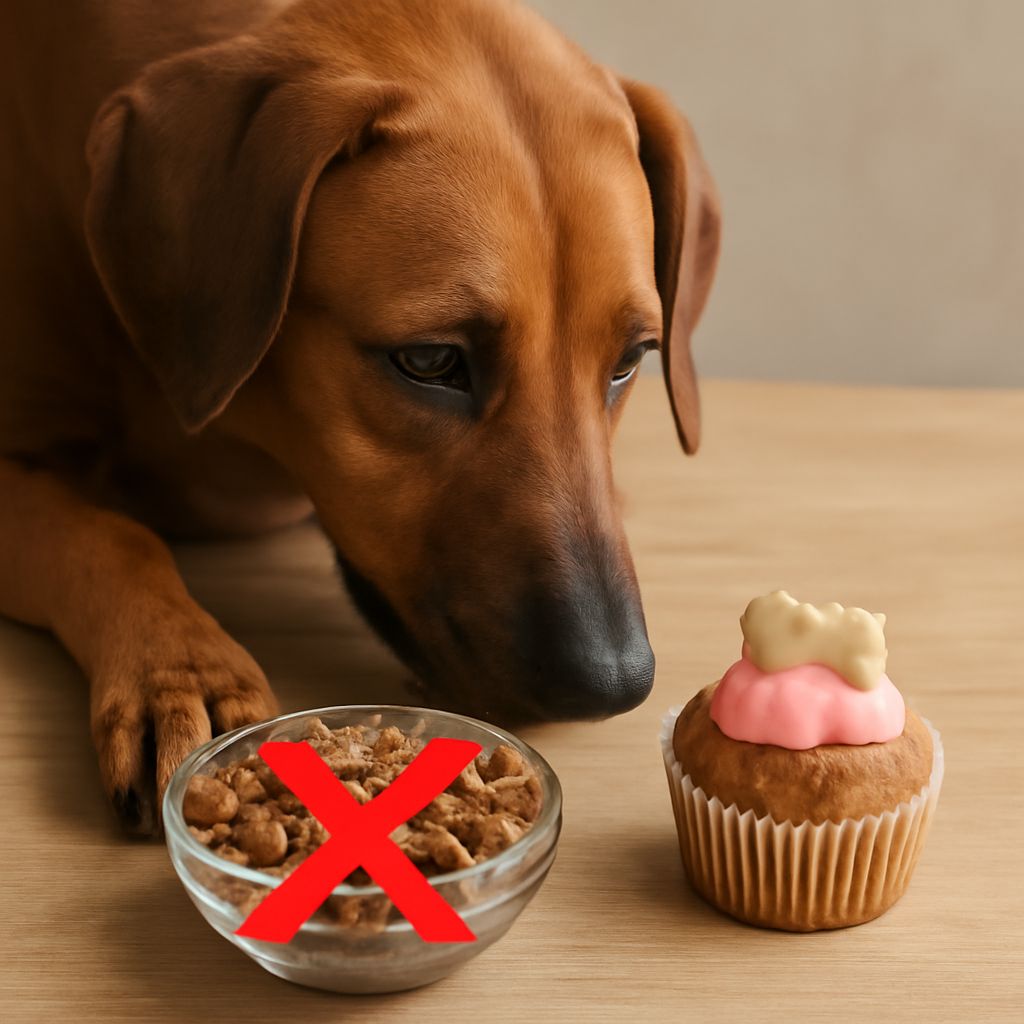
Pet owners often hear that a sick dog just needs to rest and will eat when ready. That works for very mild illness, but it misses something important. Knowing what to feed a sick dog with no appetite can make a real difference in how quickly a dog recovers. Food for sick dog situations is not one-size-fits-all. What to feed a sick dog that will not eat depends on the cause of the illness and what the digestive system can handle. Getting a dog to eat when it’s nauseous or in pain requires patience and the right approach. What to feed a sick dog that won’t eat is one of the most common calls vets receive, and the answers are fairly consistent.
Another myth: plain chicken and rice fixes everything. It helps in many cases, but it’s not appropriate for all conditions. Pancreatitis, kidney disease, and food allergies each require a different dietary approach. Always check with your vet before defaulting to a home remedy.
Best Foods When a Dog Refuses to Eat
Boiled Chicken and White Rice
This combination is easy on the stomach and works well for digestive upsets like vomiting or mild diarrhea. Use plain boneless chicken breast with no seasoning. White rice is easier to digest than brown. Start with small amounts every few hours rather than a full meal.
Plain Pumpkin
Canned pumpkin (not pie filling) helps regulate both diarrhea and constipation. One to four tablespoons added to food provides soluble fiber that supports gut function. It also adds moisture, which matters when a dog isn’t drinking enough.
Low-Sodium Broth
Warm chicken or beef broth can encourage a sick dog to drink and eat. Pour a small amount over kibble or offer it alone. It adds palatability without overwhelming a sensitive stomach. Check labels carefully and avoid broths containing onion or garlic, both of which are toxic to dogs.
Prescription or Veterinary Diet Foods
When a dog’s illness is more serious, a vet-prescribed diet is more appropriate than home cooking. Gastrointestinal support formulas, hydrolyzed protein diets, and renal diets address specific medical needs that plain food cannot meet. If your dog has gone more than 24 hours without eating, consult a veterinarian rather than experimenting further.
Techniques for Getting a Dog to Eat
Getting a dog to eat starts with reducing stress around meal time. Offer food in a quiet location, away from other pets. Warm the food slightly to increase its smell. Hand-feeding small bites works for some dogs who need encouragement. Switching to a smaller bowl can help a dog feel less overwhelmed by a full portion.
Food for a sick dog should be offered in small amounts frequently rather than two large meals. Three to four small servings across the day are easier for an upset stomach to process. If a dog takes a few bites and stops, that’s progress. Remove the food after 20 minutes to prevent bacteria growth, then try again at the next interval.
When to Call a Vet
What to feed a sick dog that won’t eat becomes a secondary concern if the dog shows signs of serious illness: blood in vomit or stool, extreme lethargy, bloated abdomen, or refusal to eat for more than two days. These symptoms need veterinary attention. Dehydration is a particular risk in dogs that won’t eat or drink. Your vet can provide subcutaneous fluids and appetite stimulants when home measures fail.
Key takeaways: Bland, easily digestible foods work well for mild digestive illness, but severe or prolonged appetite loss requires veterinary guidance. Offer food in small, frequent amounts, warm it slightly to improve palatability, and contact your vet if your dog hasn’t eaten in 24 hours or shows additional symptoms.