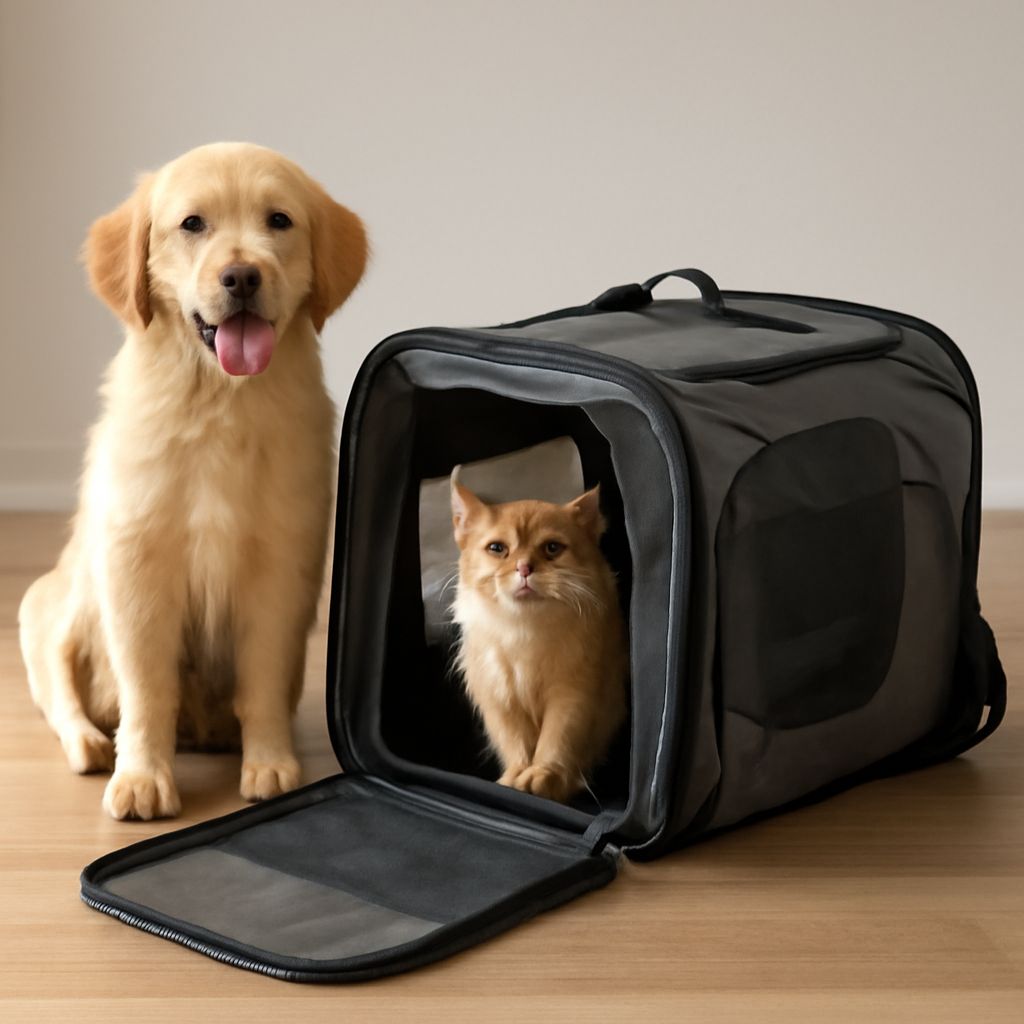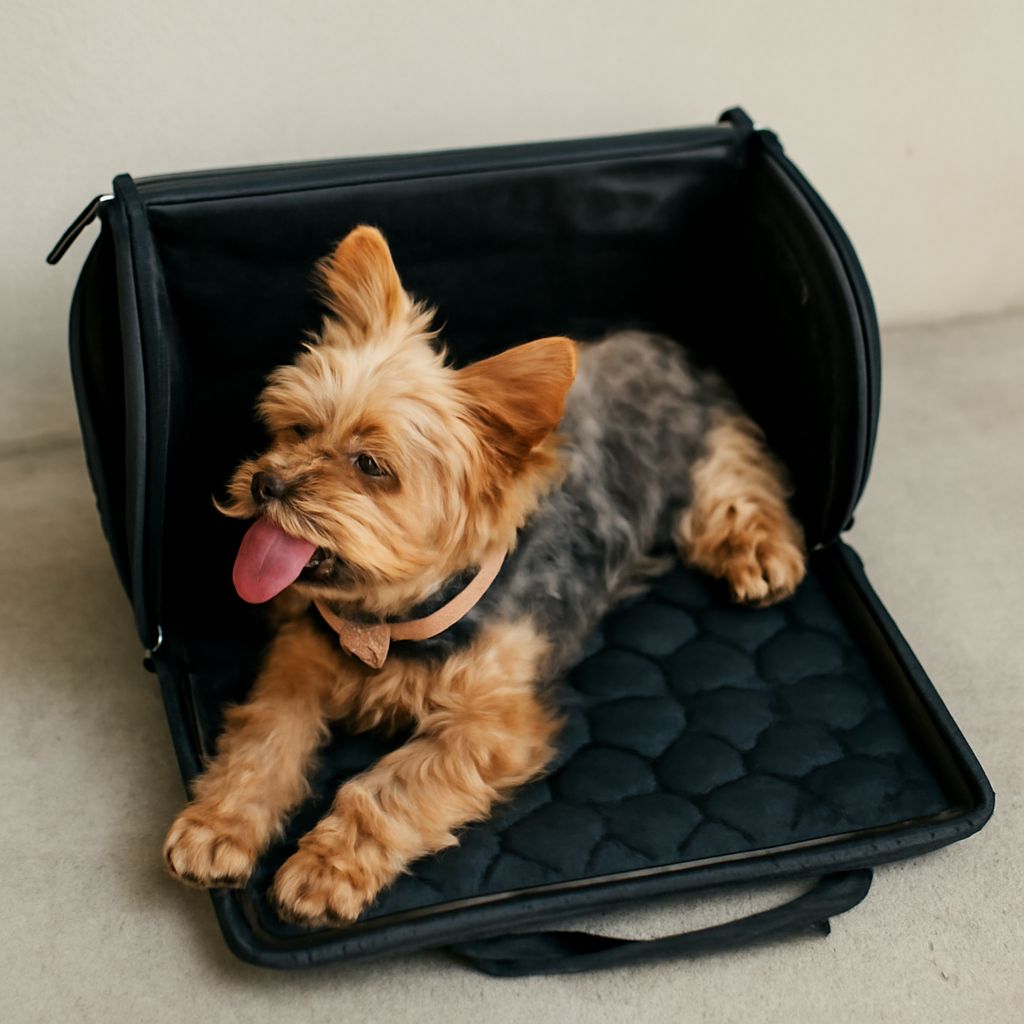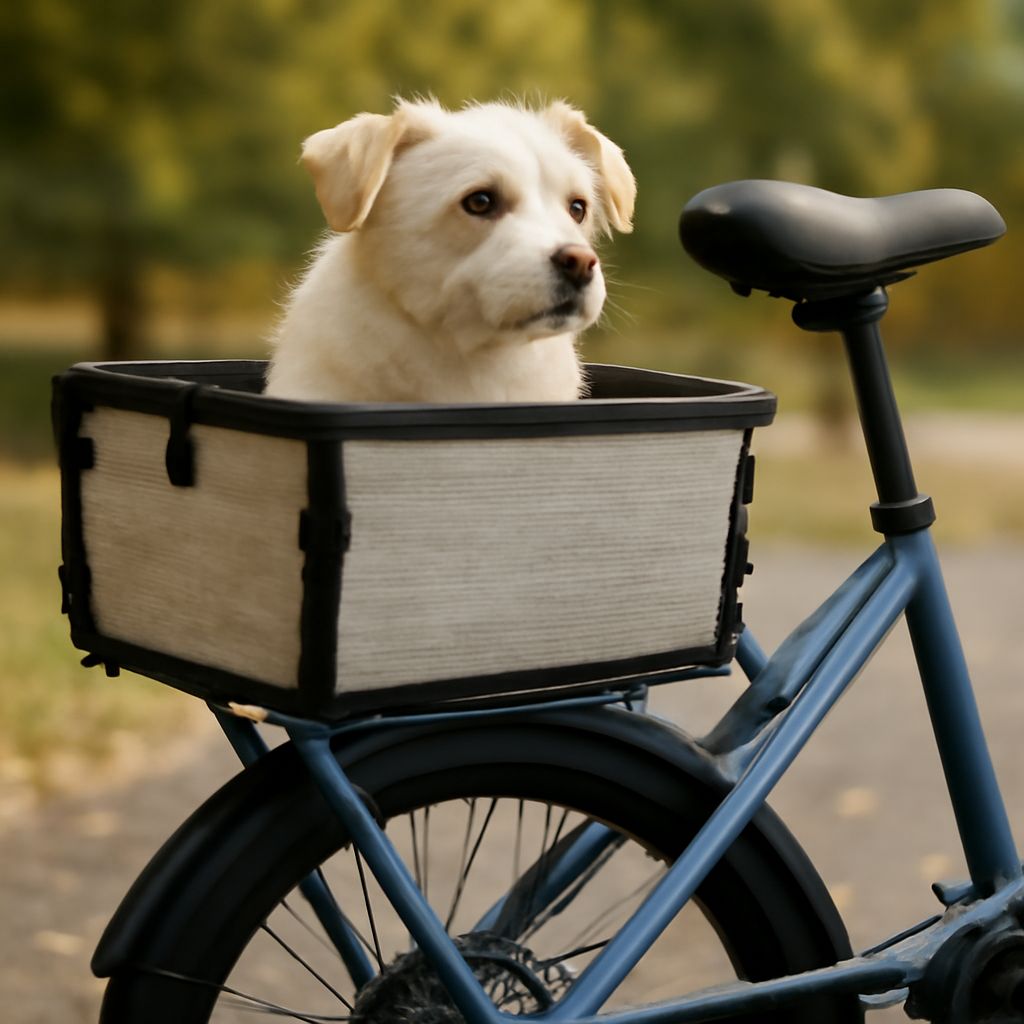
A dog bicycle basket is not just a cute accessory. For small dogs, it is a practical way to include them in outdoor rides without overtaxing them physically. The assumption that any dog can handle a long bike ride on leash is wrong. Many small breeds tire quickly, and hot pavement in summer causes serious paw damage. A bicycle pet carrier shifts the physical work to the rider while keeping the dog engaged, safe, and comfortable during longer distances.
Not every carrier style suits every dog or every rider. A pet bike basket sits on the front handlebar area and keeps the dog facing forward, which some dogs find more stimulating. A bike pet carrier mounted to a rear rack distributes weight more evenly and works better for dogs over 15 pounds. A pet bike carrier in a trailer format attaches behind the bike and gives larger dogs room to stand and turn. The right format depends on your dog’s size, temperament, and how familiar it already is with moving vehicles.
Front Basket vs. Rear Carrier: Key Differences
Front-mounted pet bike baskets place the dog directly in the rider’s sightline. This lets you monitor the dog continuously during the ride without turning your head. However, front mounting shifts the bike’s center of gravity forward, which takes adjustment, especially at slow speeds or during sharp turns. Heavier dogs in front baskets affect steering response noticeably.
Rear-mounted bicycle pet carriers move that weight to the back wheel, which most bikes handle with less steering interference. Dogs in rear carriers can see passing terrain and often settle into a calmer posture than those in front. The downside is that the rider cannot watch the dog without looking back, so a carrier with a secure enclosure and tether point is more important here.
Safety and Fit for the Dog
Any dog bicycle basket or carrier should have a tether attachment point inside. The dog wears a harness, not a collar, clipped to this tether. A collar-attached tether creates a choking risk if the dog jumps or shifts suddenly. The carrier’s opening should be high enough that the dog cannot simply step out but low enough for easy entry and exit when stopped.
For a pet bike carrier or trailer, ventilation matters. Mesh panels on at least two sides maintain airflow in warm weather. A waterproof base protects the dog from road splash. Test any new carrier at home first: place it on the floor with the dog inside, then progress to short stationary periods with the bike before attempting any moving ride.
Weight Limits and Terrain
Bicycle pet carriers have weight ratings for a reason. Overloading a front basket stresses the fork and handlebar stem. Overloading a rear rack mount puts uneven force on the rack’s attachment points. Check manufacturer ratings and weigh your dog before purchasing. Dogs up to 10 to 12 pounds work well in front baskets. Dogs 12 to 25 pounds suit rear rack carriers. Dogs over 25 pounds need a trailer-style pet bike carrier with its own wheel support.