A common assumption is that occasional loose stool is just part of having a dog. But when a dog has constant diarrhea lasting more than 48 hours, it signals a problem that needs attention. Diet alone rarely explains it. Infections, parasites, food sensitivities, and inflammatory bowel conditions are all common culprits, and none of them resolve on their own without the right intervention.
Dog constant diarrhea affects hydration, nutrient absorption, and overall wellbeing. A dog not eating diarrhea combination is especially concerning because it suggests the animal feels unwell beyond a simple stomach upset. Small bowel diarrhea dog presentations typically show large volumes of loose stool with no straining. How to train a dog not to chew is a separate behavioral issue but becomes relevant when chewing non-food items triggers persistent digestive upset.
Common Causes of Ongoing Loose Stool
Diet and Intolerances
Food sensitivities are among the most common reasons for recurring loose stools. Proteins like chicken or beef, grains, or dairy can trigger inflammation in the gut lining of sensitive dogs. Switching foods too quickly also disrupts gut bacteria and causes several days of digestive upset. A slow transition over 7 to 10 days, mixing old and new food gradually, prevents this. Dogs who scavenge or chew household items ingest substances that irritate the intestinal tract, making chewing management a real health matter.
Infections and Parasites
Bacterial infections from Salmonella or Campylobacter, viral infections like parvovirus, and intestinal parasites such as Giardia or roundworms all produce persistent loose stools. A fecal test from your vet identifies parasitic causes quickly. Bacterial and viral causes require specific treatment. Dogs with consistent diarrhea despite a stable diet should always be tested for parasites before any other interventions are tried.
Small Bowel vs. Large Bowel Diarrhea
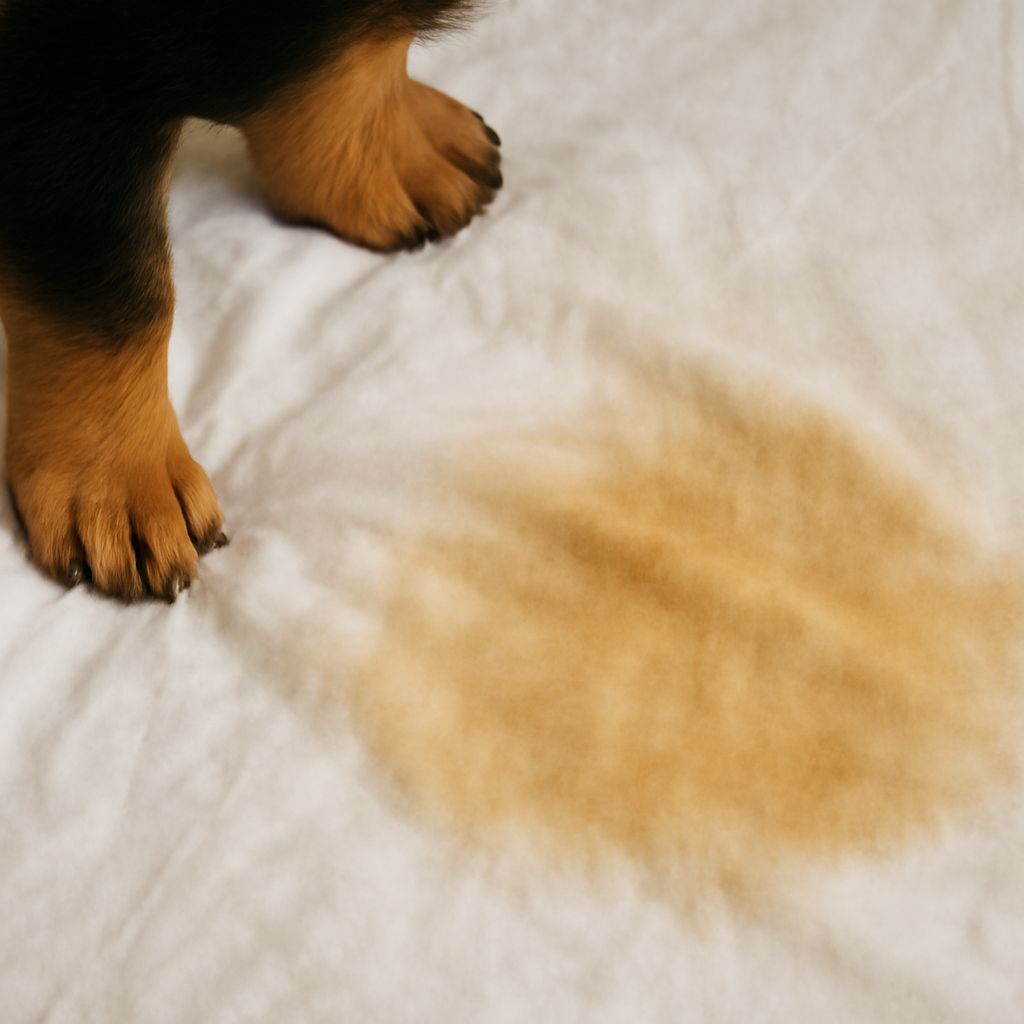
Distinguishing where the problem originates helps your vet narrow down the cause. Small bowel diarrhea in dogs produces large, watery, or fatty stools without much straining. Large bowel involvement shows smaller, more frequent stools with mucus or blood. Both types of chronic loose stool need veterinary investigation because treatment approaches differ. A dog with small intestinal issues may need enzyme supplements or dietary fat restriction.
What to Do When Your Dog Won’t Eat and Has Diarrhea
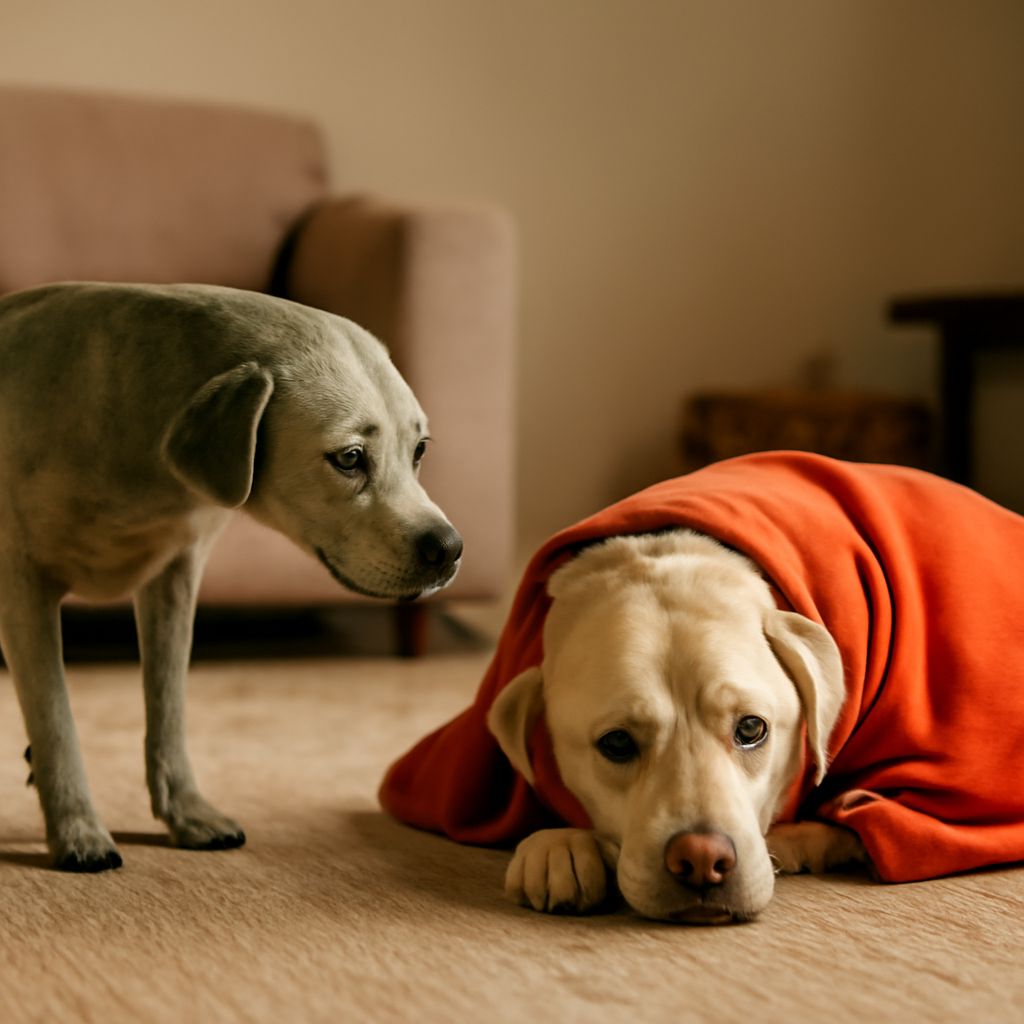
When a dog stops eating alongside persistent loose stools, dehydration becomes a real risk within 24 hours. Offer small amounts of water frequently. Plain boiled chicken and white rice in small portions can settle an upset stomach for mild cases. If the dog refuses food for more than 24 hours or shows lethargy, vomiting, or blood in the stool, contact a vet that day rather than waiting. Puppies and senior dogs dehydrate faster and need earlier intervention.
Preventing Chewing-Related Digestive Upsets
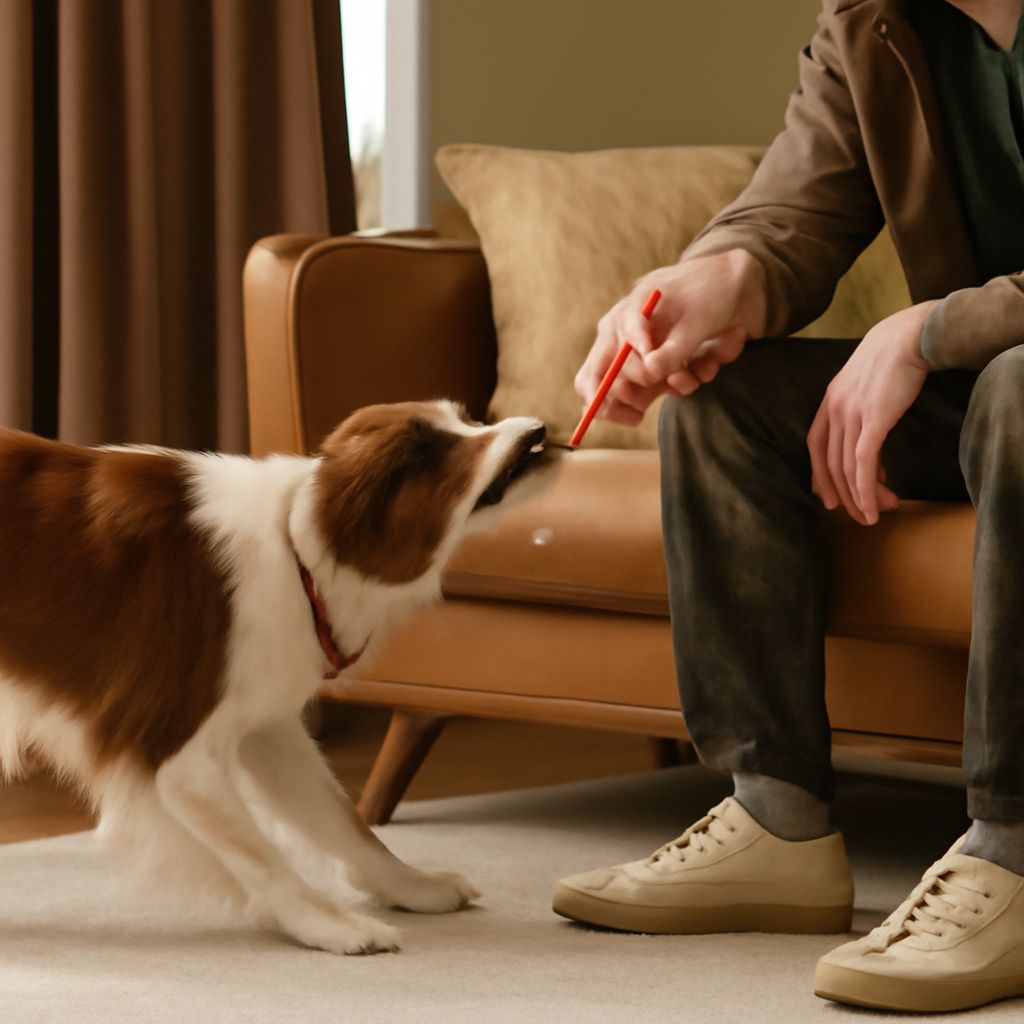
Dogs who chew rocks, wood, fabric, or garbage regularly ingest materials that inflame the gut. Teaching a reliable “leave it” and “drop it” command removes the trigger at the source. Redirect chewing to appropriate toys and ensure the dog has enough physical and mental stimulation. A bored dog is far more likely to chew destructively and develop recurring digestive issues as a result.
Key takeaways: Persistent loose stools lasting beyond 48 hours, especially combined with appetite loss or lethargy, warrant a vet visit rather than home management. Fecal testing rules out parasites, and dietary adjustments address food sensitivities. Consistent training to prevent item chewing reduces one avoidable cause of ongoing gut irritation.