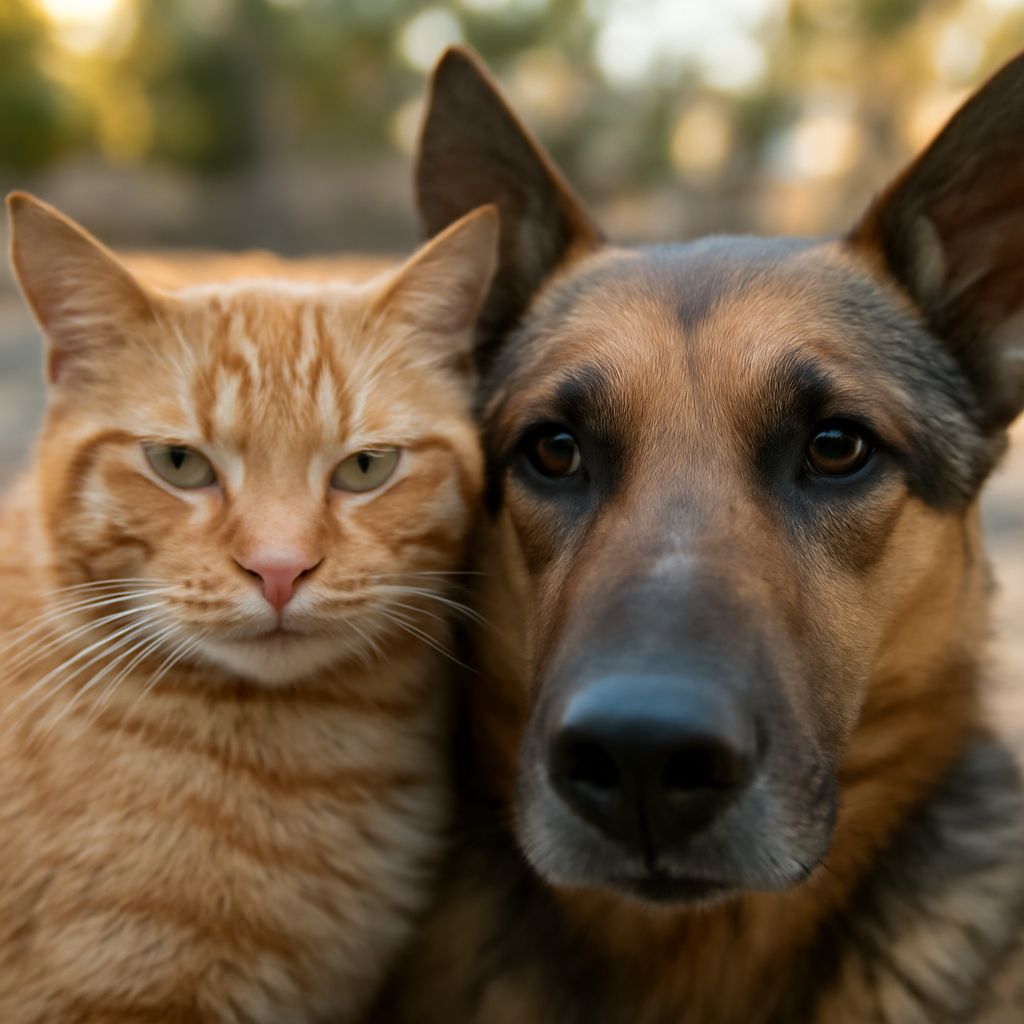
The internet is full of adorable cat and dog wallpaper images showing these two species curled up together, and many people assume that’s simply how it goes when you bring both home. It rarely works that fast. Introductions take time, and the dynamic depends heavily on each animal’s history and temperament. Similarly, the phrase “god and dog” spelled backwards captures a sentiment many pet owners feel about the bond, but the actual relationship between cats and dogs is more complicated than any meme suggests.
Unusual animal pairings have captured attention for years. A capybara and dog friendship went viral for good reason: these gentle giant rodents are remarkably calm around other species. A sheep dog and wolf dynamic, by contrast, represents an instinctual tension that takes professional management. And dog burping and vomiting can sometimes signal stress from a new animal in the home. Understanding what’s actually happening helps you set realistic expectations.
How Cats and Dogs Actually Get Along
Introducing a New Pet to an Existing One
The first rule of a successful cat-dog introduction is keeping them separated for several days. Let them smell each other under a door before any face-to-face meeting. Dogs should be leashed during initial contact. Cats need a high-up escape route so they never feel cornered. Most cat-dog pairs reach a workable truce within a few weeks. True friendship takes months and depends largely on whether the dog has been taught to leave the cat alone on command.
Signs of Stress in Multi-Pet Households
A dog that begins burping excessively, vomiting, or refusing food after a new cat arrives is showing stress. Cats under pressure often hide, over-groom, or stop using the litter box. These are signals to slow down the introduction rather than force proximity. Giving each pet its own feeding area, sleeping space, and retreat zone reduces competition and lowers tension considerably.
Unusual Animal Friendships That Actually Work
The capybara-dog pairing works because capybaras are social, non-threatening, and surprisingly calm. Dogs seem to read this easily and typically approach them without aggression. The dog-wolf dynamic is the opposite extreme: even a dog raised near wolves needs careful supervision because the behavioral signals between the two species are similar enough to cause serious misreadings. A sheepdog working near a wolf-hybrid requires a professional handler, not a well-meaning owner hoping for the best.
Pet-Themed Aesthetics: Wallpapers and Visual Culture
Dog and cat desktop and phone wallpapers have become a whole creative category. Illustrators and photographers produce collections featuring everything from realistic portrait pairs to cartoonized versions of the two species side by side. If you want a good cat and dog background image for your screen, search for breed-specific combinations, illustrated flat-design versions, or seasonal themes. The “god and dog” mirror-spelling concept also appears frequently in pet-themed art prints and phone wallpapers, often as typographic designs. It resonates because many dog owners do describe the bond in spiritual terms.
Whether you’re looking for aesthetic inspiration or trying to manage a real multi-species household, the core principle is the same: respect each animal’s nature rather than forcing the storybook version. Dogs need clear training around other animals. Cats need space and control. Given time and structure, many genuinely do become companions.