A dog not peeing for more than 12 hours is a situation that warrants attention, not a wait-and-see approach. Many owners assume a dog can’t pee simply because it is being stubborn or stressed by a new environment. Stress does suppress urination temporarily, but true urinary retention, where the dog physically cannot void, is a medical emergency. A dog wont pee outdoors during rain or on a new surface is a behavioral issue. A dog not urinating despite squatting repeatedly with no output is a physical one. Telling the two apart quickly matters because an obstructed bladder can rupture within 24 to 48 hours. A dog cant pee due to a urethral blockage needs emergency veterinary care immediately, not a home remedy.
Both male and female dogs develop urinary problems, though the anatomy differs. Male dogs are more prone to urethral obstructions from stones or mucus plugs because their urethra is longer and narrower. Females develop urinary tract infections more frequently due to a shorter urethra. Understanding which type of problem you are dealing with changes the urgency level and the appropriate first response.
Medical Causes of Urinary Retention
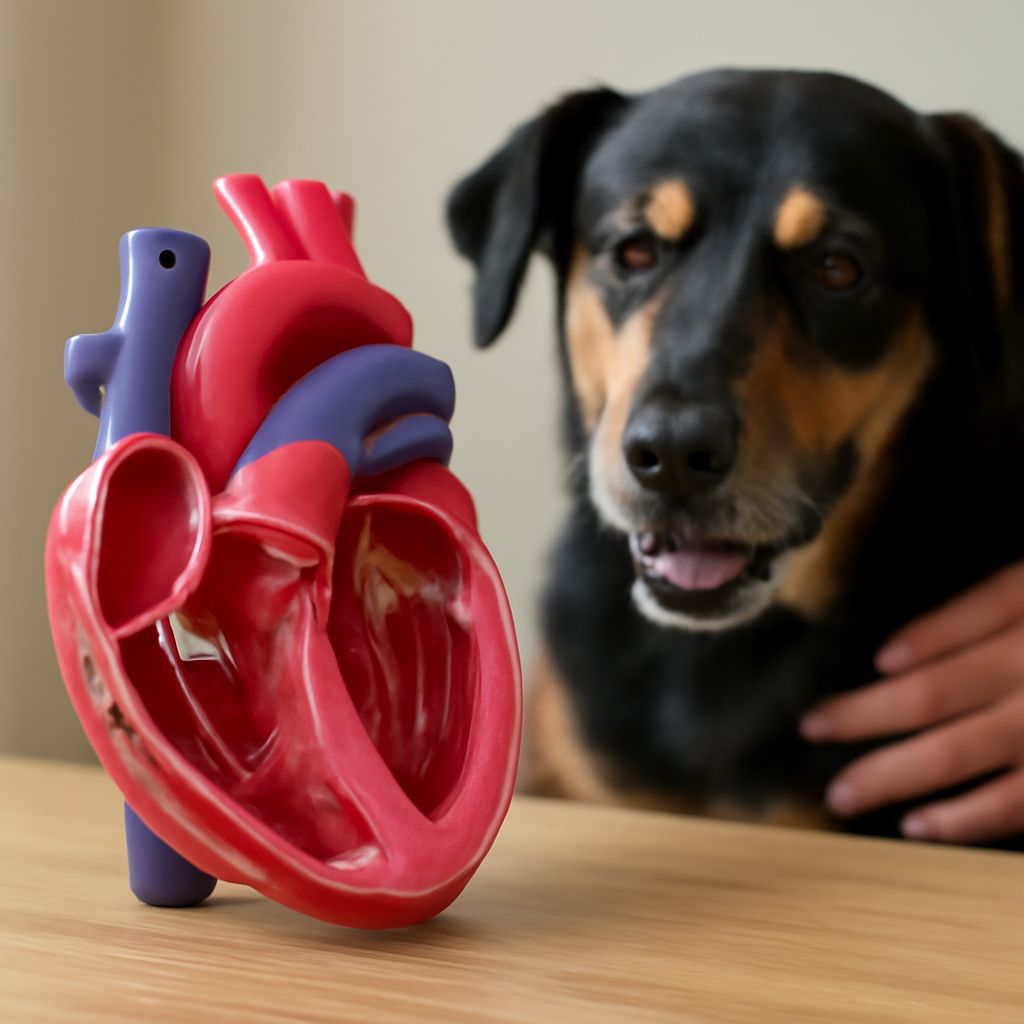
Urethral Obstruction Bladder stones are a leading cause of dogs failing to urinate. Struvite and calcium oxalate stones form in the bladder and can migrate into the urethra, creating a partial or complete blockage. A dog with a partial obstruction may produce small dribbles of urine with visible straining. A fully blocked dog produces nothing despite repeated squatting and may cry or show abdominal pain. This condition requires a vet to catheterize the urethra, flush the blockage, and stabilize the dog before imaging confirms stone location and type.
Spinal or Neurological Issues
Dogs with intervertebral disc disease, degenerative myelopathy, or spinal trauma may lose the nerve signals that trigger bladder voiding. These dogs have a full bladder but cannot initiate urination on their own. Manual bladder expression by the owner or veterinary staff is required multiple times daily until nerve function recovers or a long-term management plan is established. A vet or veterinary rehabilitation specialist should demonstrate proper manual expression technique before owners attempt it, since applying too much pressure risks bladder rupture.
Prostate Enlargement in Male Dogs
Intact male dogs commonly develop benign prostatic hyperplasia as they age. The enlarged prostate presses on the urethra and makes urination difficult. Affected dogs posture repeatedly, produce thin streams, or dribble urine without fully voiding. Neutering resolves prostatic hyperplasia in most cases within four to eight weeks as testosterone levels drop. Infected prostates require antibiotic treatment before or alongside neutering.
Behavioral Causes and Situational Suppression
A dog refusing to urinate outdoors in rain, on wet grass, or in an unfamiliar location is displaying surface preference or situational anxiety. This resolves with gradual environmental exposure and positive reinforcement for urinating in the desired location. Dogs boarding at kennels or staying in hotels often hold urine for many hours out of stress before eventually going. This is uncomfortable but not dangerous for a healthy dog over a 12-to-24-hour window.
Dogs with a history of painful urination from prior infections sometimes associate outdoor urination with pain and avoid it even after the infection clears. Retraining involves making the outdoor bathroom experience positive through treats and calm handling, and confirming with a urinalysis that no active infection remains.
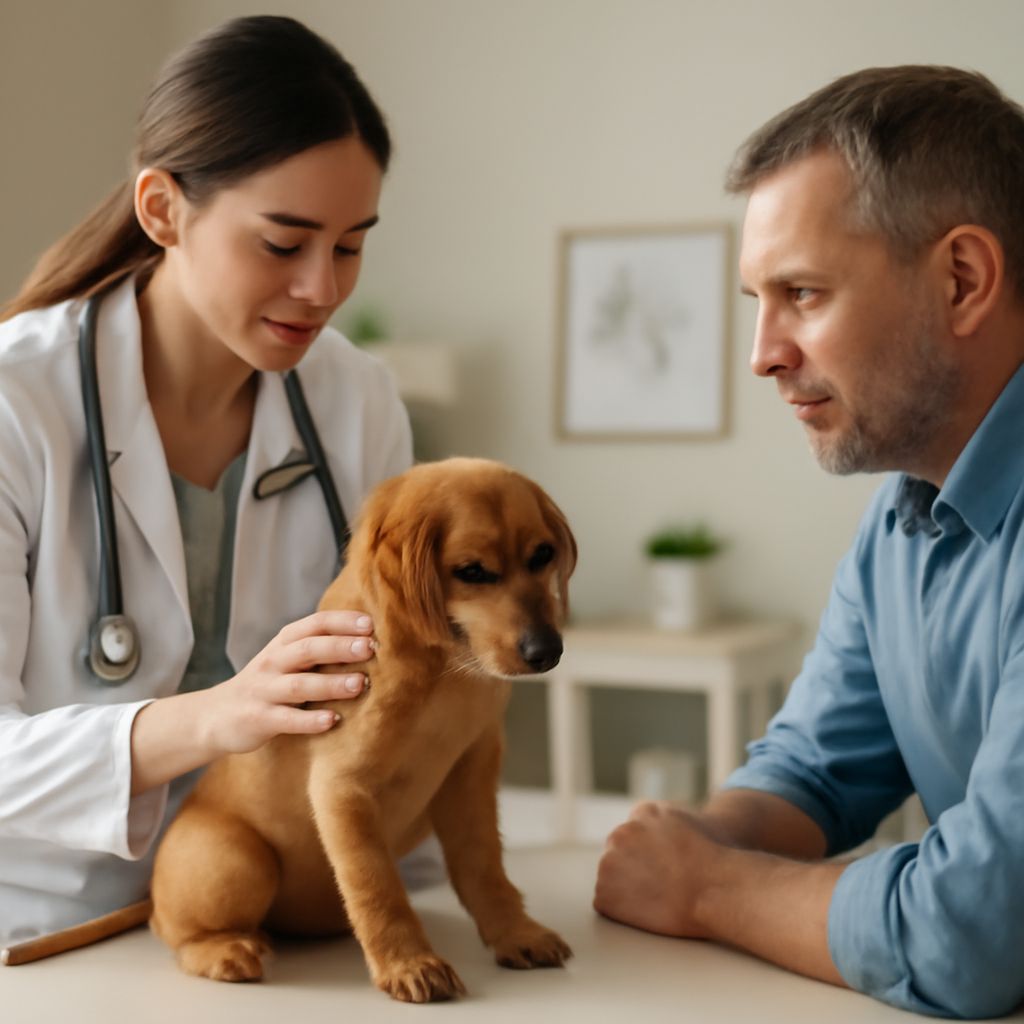
Key takeaways: A dog that has not urinated in 12 or more hours and is straining without output needs a vet exam the same day. Behavioral urination reluctance differs from physical retention and responds to training and environmental adjustment rather than medical intervention. When in doubt, a urinalysis and abdominal palpation by your vet will identify the cause quickly.