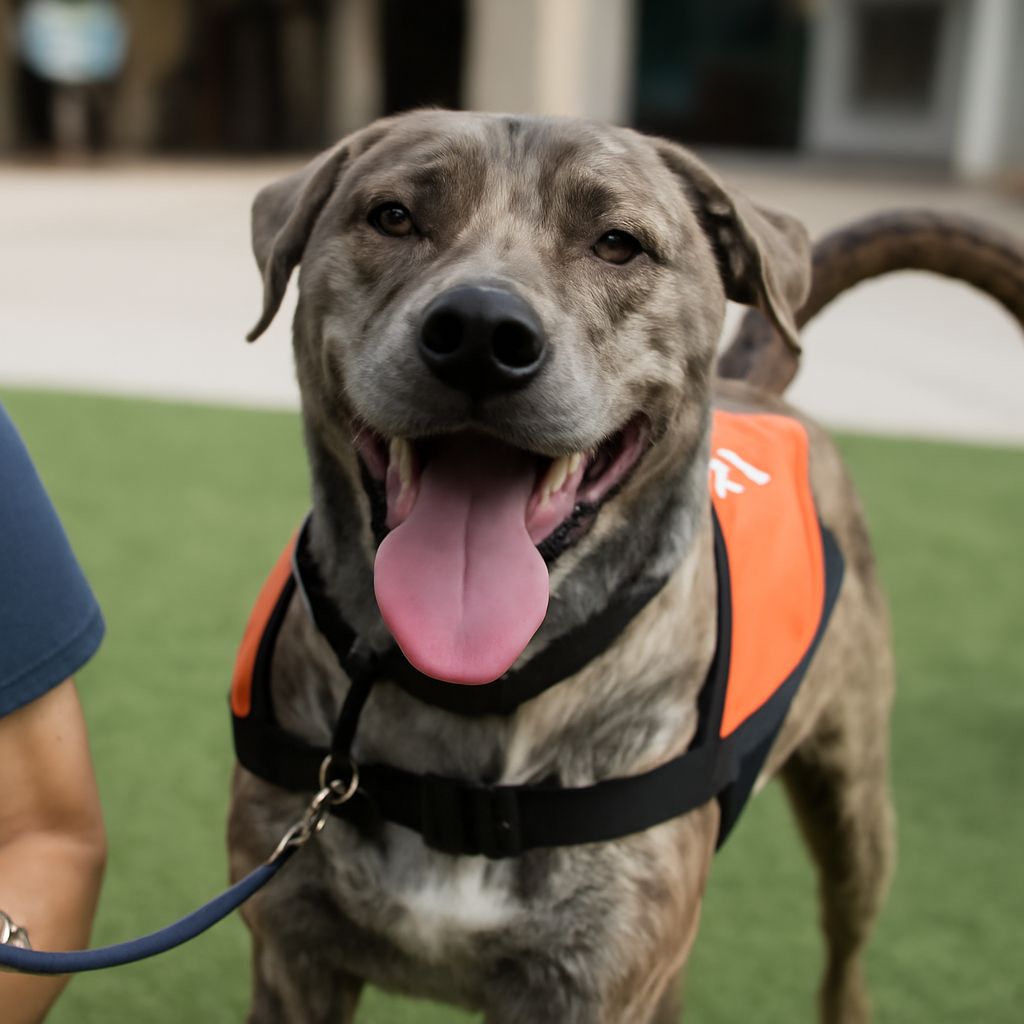
Understanding how long after heartworm treatment can dog be active is one of the most important questions owners face after diagnosis. The standard answer is 6 to 8 weeks of strict rest, but most owners underestimate what “strict rest” actually means. It is not reduced activity or calm walks. It is crate rest or leash-only bathroom trips with no running, jumping, or sustained excitement. Pet breeding games and virtual pet breeding games are popular ways for dog enthusiasts to stay engaged with animal care concepts digitally, but no simulation prepares you for the weeks of enforced stillness that heartworm recovery demands. Can a dog get too much glucosamine and chondroitin during this rest period? Owners ask this because they want to support joint health during extended inactivity. Caring for dog after heartworm treatment requires attention to several factors beyond just rest. Virtual pet breeding games do not cover the medical complexity, which is why real-world guidance matters.
Heartworm treatment kills adult worms living in the pulmonary arteries. As the worms die, they break apart and the body must absorb the debris. Physical exertion during this process sends more blood rushing through the arteries at higher pressure, which forces worm fragments deeper into lung tissue and causes potentially fatal pulmonary embolism. The restriction on activity is not precautionary. It is life-or-death essential.
The Treatment Timeline and What Happens at Each Stage
Pre-Treatment Stabilization
Before the adulticidal injections are given, most vets prescribe a month or more of doxycycline to weaken Wolbachia bacteria that live inside the worms, plus monthly preventatives to kill any circulating microfilariae. During this phase, activity restriction begins. Dogs with high worm burdens may also receive prednisone to reduce pulmonary inflammation.
Injection Phase Melarsomine injections are given as a series, typically one injection followed by two more injections 24 hours apart, 30 days later. The 30-day gap between the first and subsequent injections lets the initial batch of worms die and begin absorbing before the remaining worms are killed. After each injection series, the strict rest period restarts. The most dangerous window is days 5 through 35 after injections when worm die-off peaks.
Post-Treatment Recovery
After the final injection series, 6 to 8 weeks of restricted activity follows. Gradual reintroduction of exercise begins only after a veterinary recheck confirms stable lung function. Most vets use a chest radiograph to assess pulmonary changes before clearing a dog for normal activity. Dogs that were heavily infected may have permanent arterial scarring that reduces exercise tolerance even after treatment.
Joint Supplements During Extended Rest
Owners managing a dog through weeks of crate rest often add glucosamine and chondroitin to the diet to support joint health during inactivity. These supplements are generally safe at label doses. Can a dog get too much glucosamine and chondroitin? At very high doses, glucosamine may affect blood glucose regulation in diabetic dogs. In healthy dogs, the main risk of excess is gastrointestinal upset, specifically loose stools and nausea. Stick to the manufacturer’s recommended dose based on body weight, and discuss supplement use with your vet if the dog has any underlying health conditions.
Caring for a dog through heartworm recovery involves daily monitoring for respiratory distress, coughing, lethargy, or loss of appetite, all of which warrant immediate veterinary contact. Keep the dog calm, use puzzle feeders to provide mental engagement without physical strain, and resist the temptation to let the dog play just once when it seems fine. The worm debris is still clearing even when the dog acts normal.
Key takeaways: Activity restriction after heartworm treatment lasts 6 to 8 weeks minimum and begins after each injection series. Glucosamine and chondroitin are safe at label doses but check with your vet for dogs with metabolic conditions. Strict adherence to the rest protocol is the single biggest factor in surviving treatment safely.