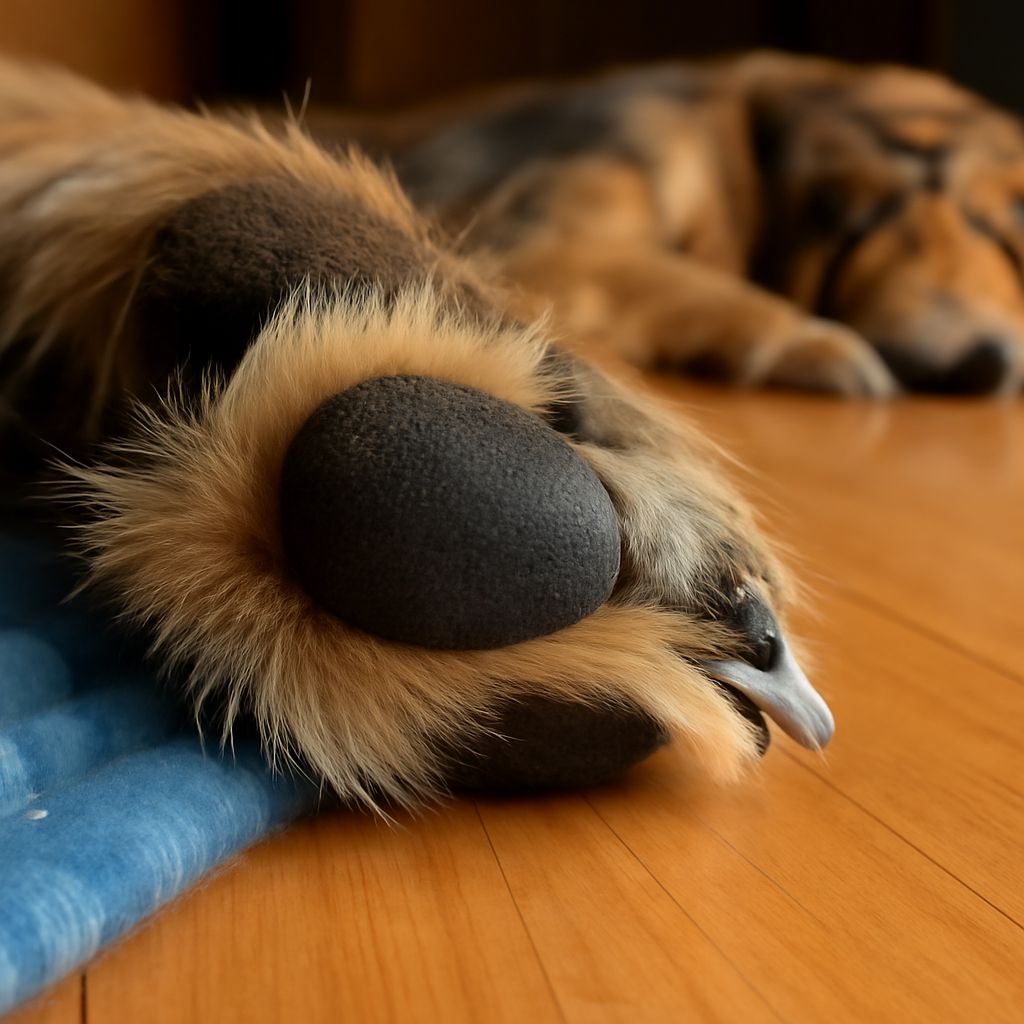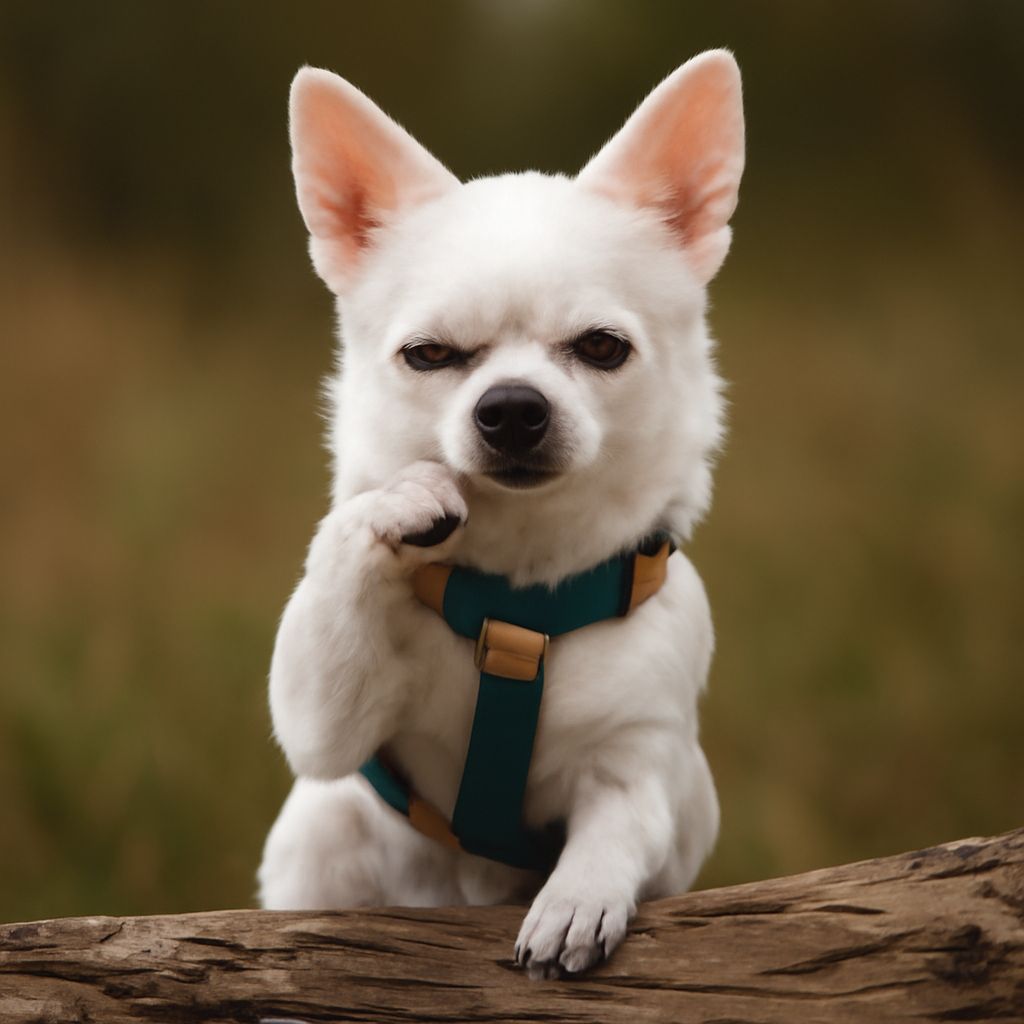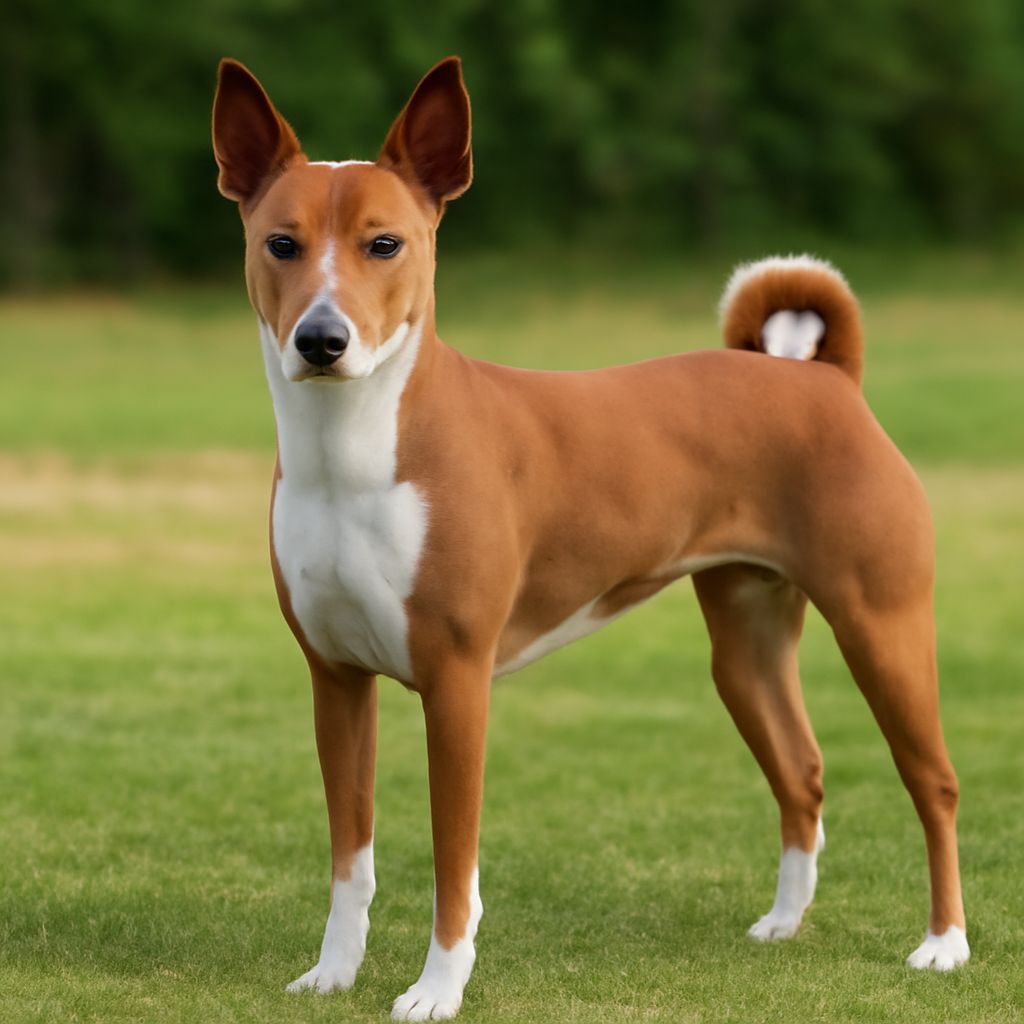
Many owners assume that dog breeds that start with l are rare or obscure, but some of the most popular working and companion dogs fall into this group. Where to pet cats may seem unrelated, but understanding how different species behave helps multi-pet households apply consistent care routines. This article covers L-breed characteristics and one practical problem every dog owner faces: how to clean an area rug with pet urine before the odor sets.
Another common misconception: all unusual traits like black tongues or bobbed tails signal mixed breeding or health problems. In reality, dog breeds with docked tails have been selectively bred that way for centuries, and dog breeds with black tongues carry that pigmentation naturally in their genetics.
Popular L-Breed Dogs and Their Distinctive Traits
Labrador Retriever
The Labrador is the most recognized L-breed worldwide. Labs have pink tongues, a full natural tail, and a dense double coat. They are high-energy dogs that need structured daily exercise and consistent obedience work from puppyhood. Their friendly temperament makes them good with children and other pets.
Leonberger
The Leonberger is a giant breed with a lion-like mane and a calm, patient character. Like the Lab, Leonbergers have standard pink tongues. Their thick coat sheds heavily, so weekly brushing is necessary. Despite their size, they move with surprising agility and respond well to reward-based training.
Breeds with Black Tongues The Chow Chow is the most widely known dog with a fully black tongue, but the Shar-Pei also carries this trait. Both breeds developed in China, and the blue-black tongue pigmentation appears to be a dominant genetic trait. It is normal, not a sign of oxygen deprivation or illness. If a dog’s tongue suddenly darkens, that warrants a vet visit, but dogs born with dark tongues are simply built that way.
Breeds with Docked Tails
Some L-adjacent working breeds historically had their tails docked for practical reasons: to prevent injury in dense brush or burrows. Breeds like the Australian Shepherd (often confused with L-breeds by new owners) and the Rottweiler may have shortened tails from selective breeding or early docking. In many countries, cosmetic docking is now prohibited, so breeders rely on naturally bobbed lines instead.
Cleaning Pet Urine from Area Rugs
Act Immediately
The single most effective step in how to clean an area rug with pet urine is speed. Blot the wet area with a clean cloth, pressing firmly to absorb as much liquid as possible. Do not rub, which pushes urine deeper into the fibers and the rug pad beneath.
Apply an Enzymatic Cleaner
Enzymatic cleaners break down uric acid crystals, which are the source of persistent odor. Saturate the stained area, let the cleaner dwell for the time listed on the label (usually ten to fifteen minutes), then blot again. Standard soap and water do not neutralize uric acid and often leave residue that attracts repeat marking.
Dry Thoroughly
After cleaning, place a stack of paper towels over the spot and weigh them down overnight. Moisture trapped under a rug backing breeds mold and allows odors to return. If possible, lift the rug and clean the floor beneath as well, since urine frequently soaks through to hard surfaces below.
For large rugs or deep-set stains that have dried repeatedly, professional cleaning is the reliable option. Home treatment works well on fresh accidents, but dried urine that has cycled through multiple wet-dry phases needs equipment that applies and extracts cleaning solution under controlled pressure.