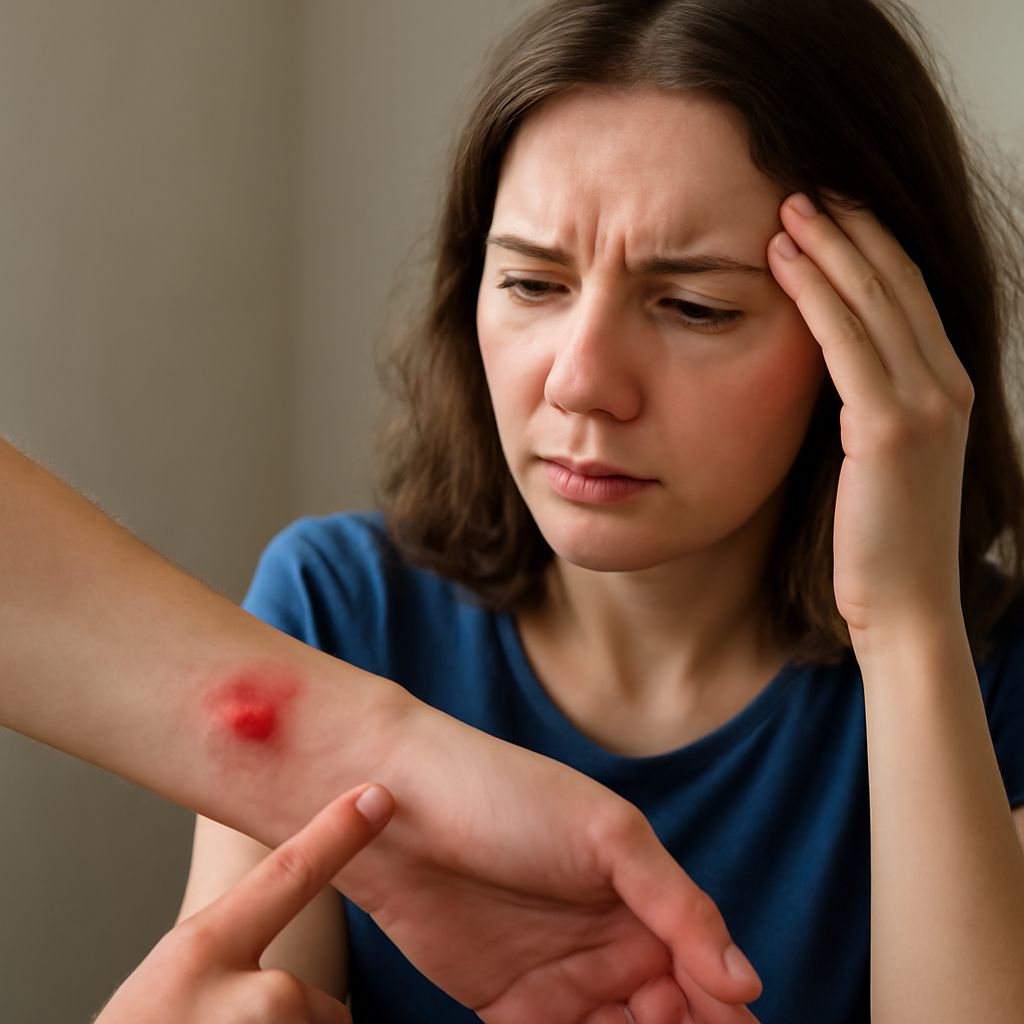
A dog bite infection does not always look serious in the first hours. The wound may be small and the bleeding minimal, but the bacteria introduced at the moment of puncture can establish a deep infection that is difficult to treat once it progresses. Dog bite symptoms like redness, warmth, and pain around the wound are the body’s initial inflammatory response, but these same signs also indicate early infection, and distinguishing between the two requires attention to timing and progression.
Dog bite swelling that spreads beyond the immediate wound margin within 24 hours is a warning sign. Dog bite infections progress faster in puncture wounds than in lacerations because the skin closes over the entry point, trapping bacteria in a warm, low-oxygen environment where anaerobes grow quickly. An infection from dog bite trauma does not always remain local. Untreated, it can spread to tissue, bone, or enter the bloodstream.
Recognizing the Signs of Infection
Within the first 6 to 12 hours, any bite wound should be washed thoroughly with soap and water for at least five minutes. After cleaning, monitor for the following dog bite symptoms over the next 48 to 72 hours:
- Increasing redness that extends beyond the wound edge
- Dog bite swelling that grows rather than decreases over time
- Warmth and tenderness that worsen rather than improve
- Pus or cloudy discharge from the wound
- Red streaking extending from the bite site (indicates spreading infection)
- Fever above 38.5°C (101.3°F)
Red streaking is a serious sign of lymphangitis, a condition where bacteria have entered the lymphatic system. This requires immediate medical evaluation, not a wait-and-see approach.
Bacteria Involved in Dog Bite Infections
Pasteurella multocida is the most common organism in dog bite infections, found in the mouths of most dogs. It produces rapid onset symptoms, often within 24 hours of the bite. Capnocytophaga canimorsus is rarer but more dangerous, particularly in people who are immunocompromised, have had their spleen removed, or are elderly. Staphylococcus and Streptococcus species also appear in bite wound cultures.
Dog bite infections in people with diabetes, peripheral vascular disease, or on immunosuppressive medications progress faster and respond less predictably to standard antibiotic regimens. These individuals should seek medical attention after any dog bite, regardless of wound size.
Treatment and When to See a Doctor
Any bite wound that breaks the skin should be evaluated by a healthcare provider within 24 hours, particularly if the wound is on the hand, face, or near a joint. Hands are high-risk because the tendons and joint capsules lie close to the skin surface, and an infection from dog bite trauma in these areas can affect function permanently.
Antibiotic prophylaxis is standard for moderate to severe bites, bites on the hands, and bites in immunocompromised individuals. Amoxicillin-clavulanate covers the most common organisms and is typically prescribed for 5 to 7 days. If the wound shows signs of established infection, a longer course or IV antibiotics may be required.
Bottom line: dog bite swelling and redness that progress in the first 24 to 48 hours need prompt medical attention. Dog bite infections respond well to early treatment and can become complicated if delayed. Do not wait for obvious pus or systemic symptoms before seeking care.