A virtual pet toy promises interactive companionship without food bills, veterinary costs, or fur on the furniture. The pitch sounds perfect, but many buyers discover that most devices on the market deliver repetitive interactions that hold a child’s attention for a week and then collect dust. The appeal of diy dog bowl stand projects and hands-on animal care often ends up satisfying the same nurturing instinct more durably. Interest in a pet piranha follows a similar arc: the idea is exciting, the reality requires specific tank chemistry, live feeders, and containment that most households cannot manage. Electronic pets bypass those logistics, but they also bypass the genuine reciprocal connection that live animals offer. And when pet owners compare a digital device against a handcrafted dog bowl stand diy built for a real animal, the tactile satisfaction of the latter is simply different.
None of this means virtual pet devices are worthless. They serve specific purposes well, particularly for children learning responsibility basics, people in housing that prohibits live animals, and adults who travel extensively. The goal here is realistic expectations.
What Electronic Pet Toys Actually Offer
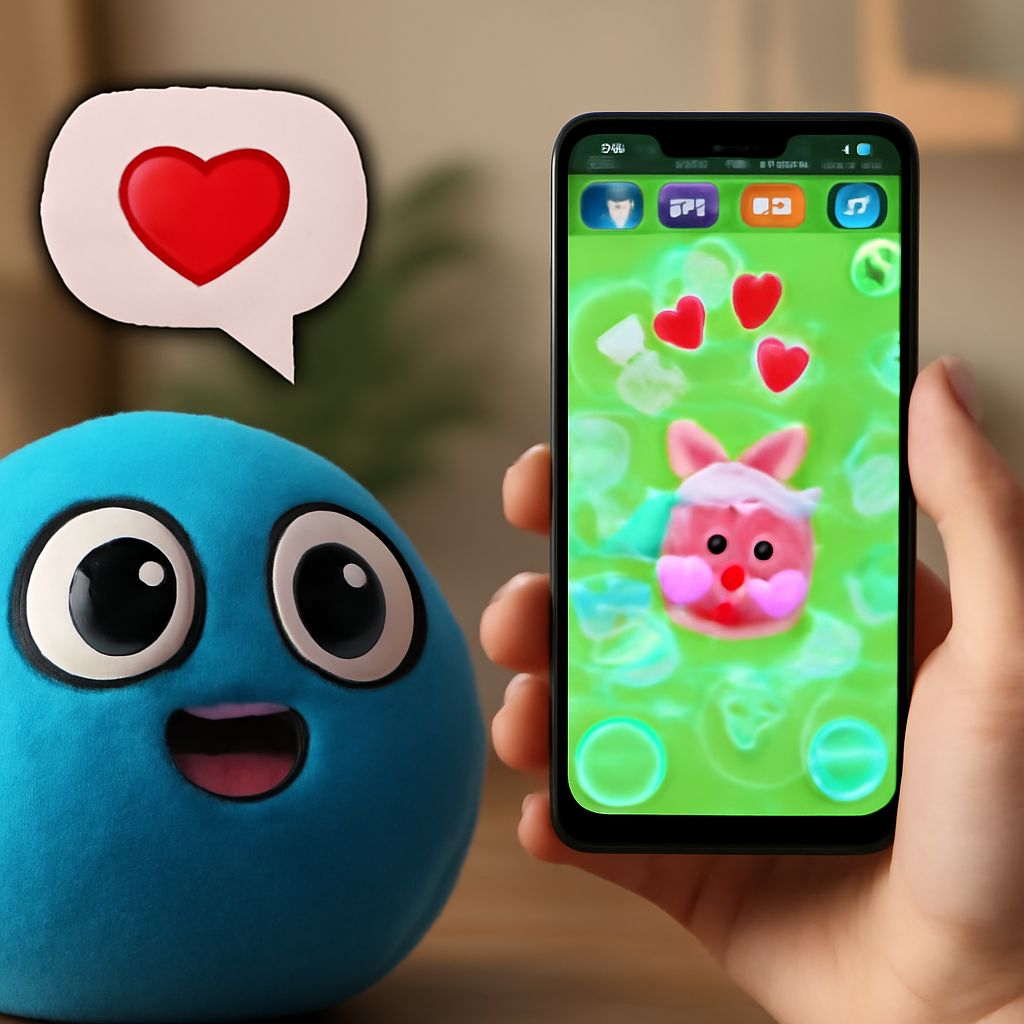
Modern electronic companions range from handheld egg-shaped devices to app-based simulations to animatronic plush toys with limited response hardware. Each category has distinct strengths and limitations.
Handheld keychain-style virtual companions like the devices popularized in the late 1990s have seen multiple revivals. They require feeding, play interactions, and sleep management on a fixed timer. Missing these windows results in the virtual animal declining in health. This teaches time awareness and basic routine, but the interaction is purely transactional. The device gives no behavioral feedback beyond a numeric mood score.
App-based electronic pets offer richer graphics and more varied mini-games, but they compete directly with every other app on a child’s device. Attention span for a dedicated virtual pet app typically drops faster than for a dedicated hardware device because the competition is always one swipe away.
Animatronic plush toys use motion sensors and limited audio responses to simulate animal reactions. A dog-shaped version might wag when stroked and whimper when left alone. These are the closest electronic alternatives to real pet interaction, but the response loop becomes predictable within days, and most units have no update pathway to expand behaviors.
Comparing Virtual Pets to DIY Animal Projects
Families interested in electronic companions often have the same underlying goal as those building a wooden elevated dog bowl stand: they want a meaningful project or relationship with an animal-adjacent experience. Building a raised feeding station from scratch with a real dog in mind requires measuring the dog’s height, selecting materials, cutting, sanding, and finishing. That process builds real-world skills that a digital companion cannot replicate.
Pet piranhas, despite their reputation, are legal in many states and kept by experienced aquarium hobbyists. They require heated water in the 76-to-82-degree range, a cycled filtration system, and a diet of whole prey or prepared carnivore food. The commitment is real and the margin for error is narrow. An electronic pet sidesteps all of this, which is either an advantage or a loss depending on what the owner actually wants from the experience.
Choosing the Right Virtual Companion
Match the device type to the user’s age and attention span. Children under eight typically engage better with simple hardware devices than with app-based versions. Teens may prefer app simulations with social sharing features. Adults in no-pet housing often get more satisfaction from robotic animatronic companions than from screen-based versions, because the physical presence in a room provides a different sensory cue.
Set realistic expectations before purchase. No current electronic pet technology replicates the unpredictability, warmth, or genuine mutual attachment of a live animal. These devices are tools for teaching responsibility, filling a specific gap, or entertaining a particular age group, not substitutes for real companionship.
Key takeaways: Virtual pet toys serve clear purposes for specific users but do not replicate live animal bonds. Match the device type to the user’s age and situation. For families ready for real animal care, a live pet or a hands-on project like building a dog bowl stand delivers more lasting engagement than any electronic companion.