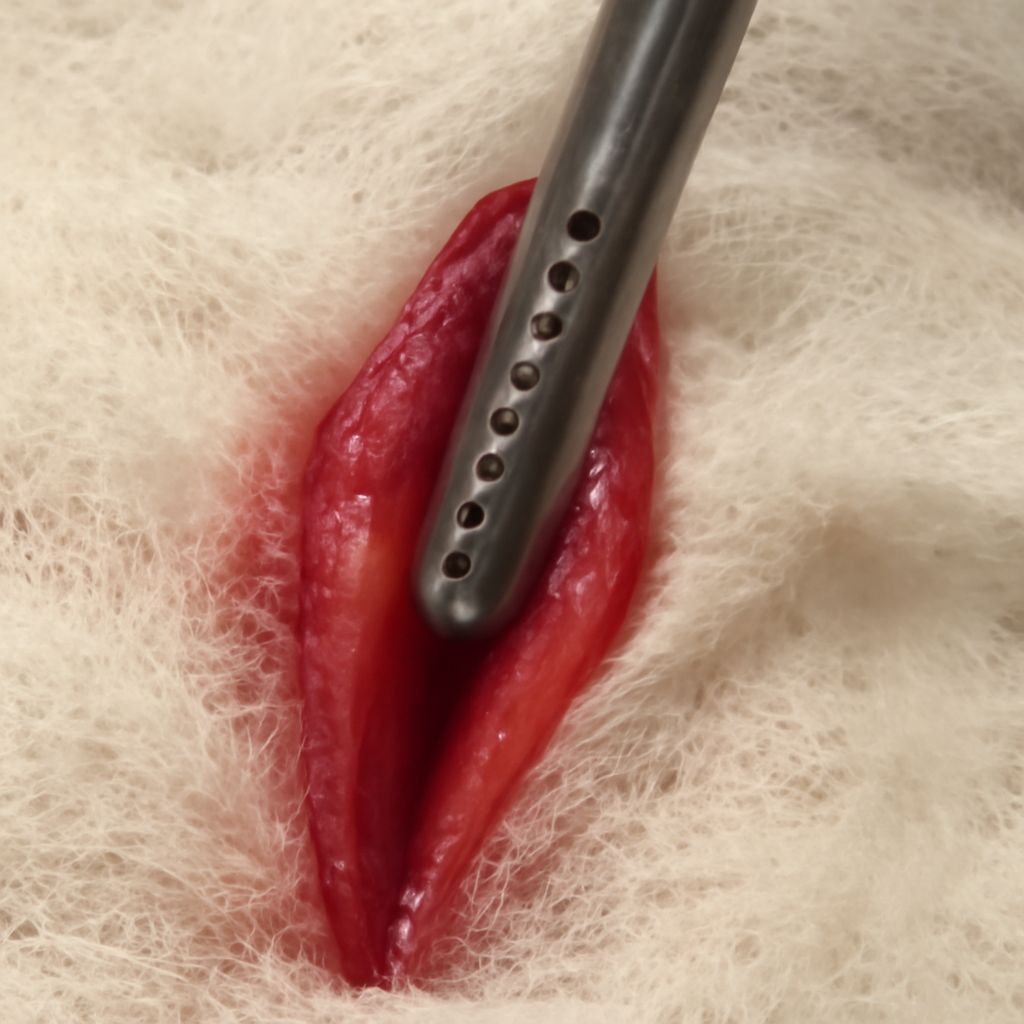
The benefits of neutering a male dog extend well beyond population control. Many owners ask why neuter a dog if their pet stays indoors or is never near females. The answer involves more than preventing unwanted litters. Neutering affects hormone levels that drive specific behaviors and influence long-term health in ways that become clearer over time. Why should I neuter my dog is a fair question that deserves a specific answer rather than a general recommendation.
Do I have to neuter my dog? Legally, in most jurisdictions, no. But the decision involves trade-offs that differ by breed, size, and the age at which the procedure occurs. Why neuter your dog is a question vets field daily, and the honest answer is that the case for neutering is strong in some areas and more nuanced in others. This article covers what is well-established and where the evidence is less clear.
Health Benefits of Neutering
The clearest benefit of neutering a male dog is the elimination of testicular cancer risk. Intact males develop testicular tumors at a significant rate as they age, and neutering removes that risk entirely. Prostate disease is also strongly linked to testosterone. Benign prostatic hyperplasia, a common condition in older intact males, causes difficulty urinating and defecating and is largely preventable through neutering.
Perianal adenomas, benign tumors around the anal area, are testosterone-dependent and occur almost exclusively in intact males. Neutered dogs develop these at much lower rates. Perineal hernias, which occur when the muscles around the rectum weaken and allow abdominal organs to prolapse, are also more common in intact males, as testosterone appears to play a role in the muscle weakening process.
Behavioral Effects
Why neuter your dog if the goal is behavioral change? Neutering reduces testosterone-driven behaviors including roaming, urine marking indoors, and mounting. These effects are most consistent when neutering occurs before the behaviors are established as habits. A male dog that has been marking and mounting for years may continue some of these behaviors post-neutering because they have become conditioned rather than purely hormonal.
Some research indicates that neutering before full physical maturity, which in large breeds occurs at 18 to 24 months, may affect joint development and increase the risk of certain orthopedic conditions. Why should I neuter my dog at a young age is worth discussing with a vet who knows your specific dog’s breed and growth pattern. For large and giant breeds, delayed neutering is increasingly recommended to allow normal musculoskeletal development.
What Neutering Does Not Fix
Do I have to neuter my dog to fix aggression? Not necessarily. Fear-based and learned aggression do not improve with neutering. Territorial behavior, resource guarding, and anxiety-driven reactivity are training and management issues, not hormonal ones. Owners who neuter expecting a complete behavior change are often disappointed when the underlying training deficits remain.
Neutering a male dog also does not prevent all health problems. Some cancers, including mast cell tumors and hemangiosarcoma, appear at higher rates in neutered dogs in several large studies. The research is not settled, and the interpretation varies by breed. A conversation with a veterinarian who is current on breed-specific studies is the most reliable way to decide on timing and whether to proceed.