Many pet owners assume that when a dog’s hackles rise, they’re seeing a sign of aggression or anger. In reality, the phenomenon of raised hackles in dogs—a ridge of fur along the back that stands on end—can signal a wide range of emotions and physical states. Decoding the true meaning behind dog hackles is essential for both understanding a dog’s mood and supporting their overall health, especially when it comes to skin and coat care.
The sudden appearance of dog hair standing up along the spine isn’t always a reason for concern. Sometimes, it’s an involuntary reaction linked to excitement, fear, or even certain medical conditions. By learning why dog hackles rise and how to interpret this canine signal, you can respond thoughtfully and ensure your companion’s wellbeing.
What Are Dog Hackles and Why Do They Rise?
Hackles refer to the band of fur that runs from a dog’s neck down to their tail, most visibly along the shoulders and spine. When these hairs stand upright, the process is called piloerection. This reaction occurs due to the small muscles at the base of each hair follicle, responding to various stimuli from the dog’s environment or internal state.
While hackle-raising is automatic, it’s often prompted by emotional responses such as excitement, fear, arousal, or alertness. A dog’s hackles can elevate when meeting a new animal, hearing an unfamiliar noise, or experiencing sudden changes in their surroundings. This physical change serves as a nonverbal communication tool, signaling to other animals or people that the dog is highly stimulated or on alert.
From a skin health perspective, repeated hackle activation itself doesn’t typically harm the coat or skin. However, frequent piloerection could accompany stress or other underlying issues. Observing when your dog’s hackles rise—and in what situations—can offer valuable insights into their emotional and physical condition.
Why Does My Dog’s Hair Stand Up Along Their Back?
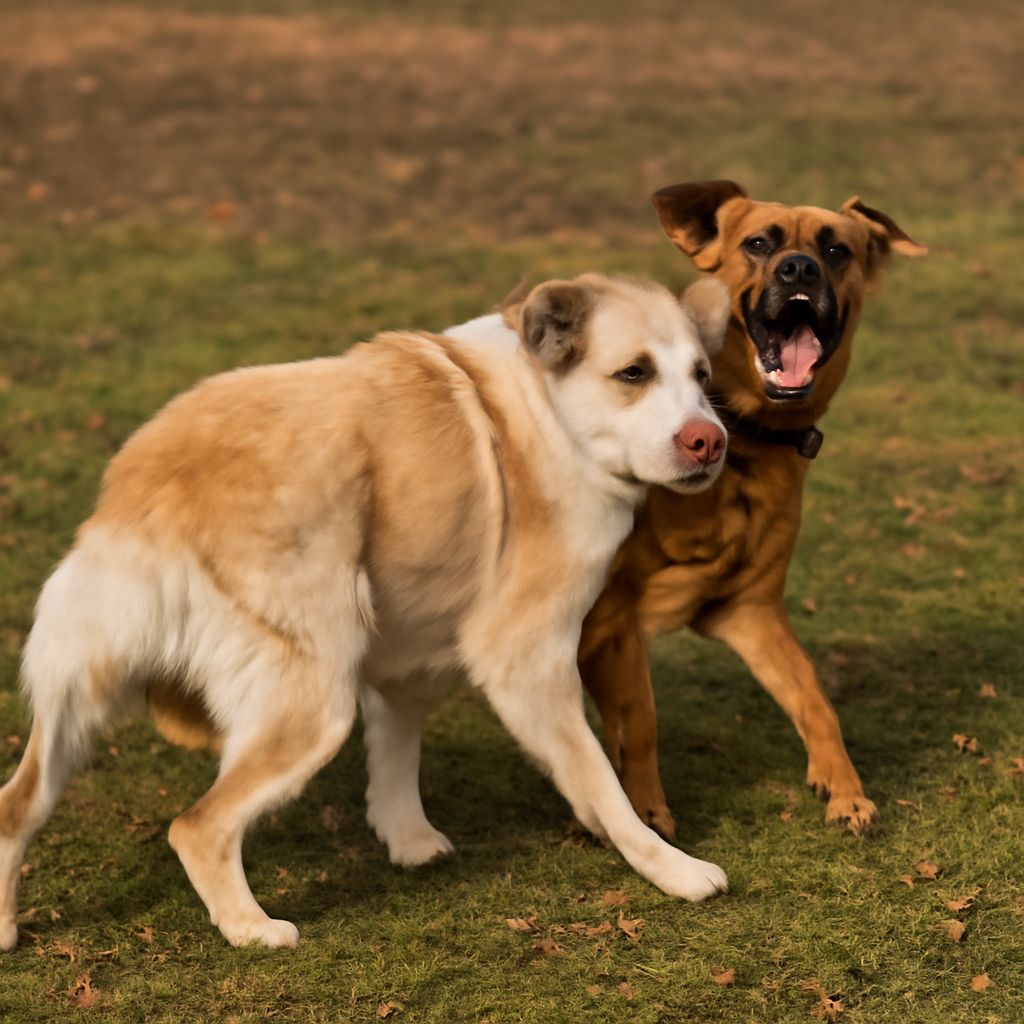
The sight of dog hair standing up along the back is most commonly linked to the body’s natural response to emotional arousal or surprise. While many people instantly assume aggression, the cause could just as easily be excitement or nervousness. In some dogs, hackles rise during play, while in others, the same response might accompany fear at the vet’s office or during thunderstorms.
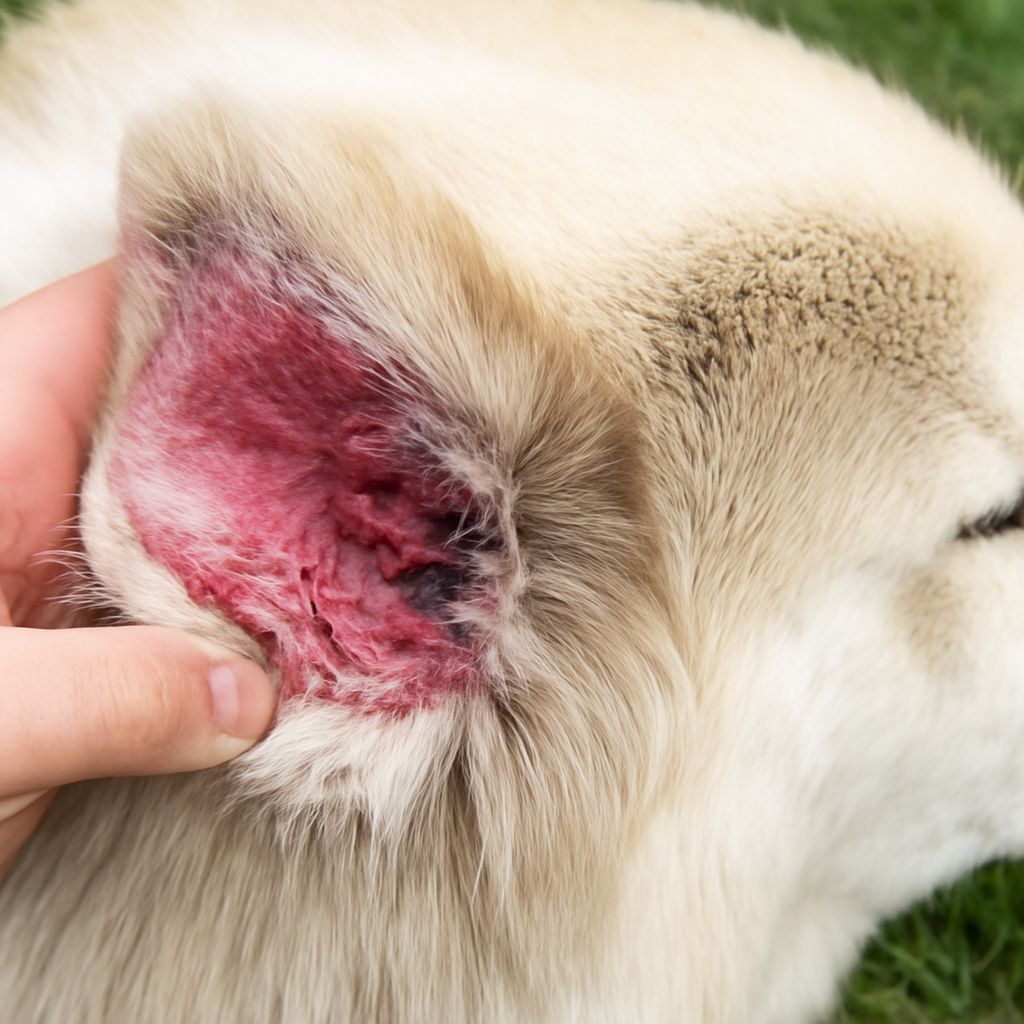
The phenomenon of piloerection is not limited to mood alone. Certain skin conditions—such as infections, allergies, or dermatitis—can occasionally cause the fur to stick up or look uneven. If you notice persistent changes in your dog’s coat, especially if accompanied by itching, redness, or hair loss, it’s best to consult a professional groomer or veterinarian for a proper diagnosis.
Breed and coat type can also influence how pronounced hackle-raising becomes. Dogs with thicker, longer fur often display more visible hackle elevation compared to short-coated breeds. Regular grooming and attention to your dog’s skin health help ensure that any changes in hair texture or position are noticed early, supporting both comfort and confidence in your pet.
Should I Be Worried About Raised Hackles in My Dog?
Not every episode of hackle-raising requires intervention. If the elevated hair occurs briefly during play or new experiences, and your dog’s posture remains relaxed, there’s usually no cause for alarm. However, persistent or sudden raising of hackles—especially when paired with stiff body language, snarling, or avoidance—can be an early signal of stress or discomfort.
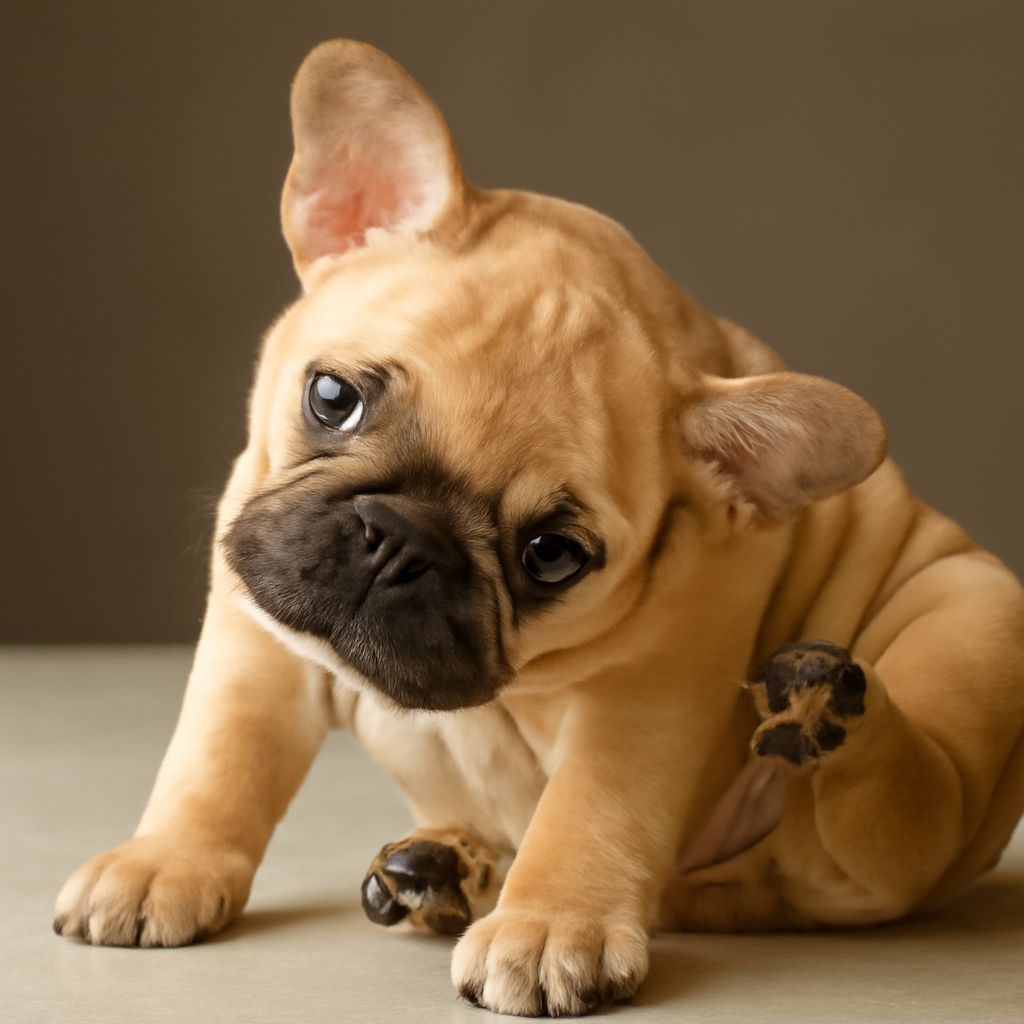
Repeated episodes of hackle elevation, particularly when linked to skin irritation or behavioral changes, might point toward underlying issues needing attention. Chronic stress, anxiety, or undiagnosed allergies can sometimes manifest as both behavioral and physical symptoms, including frequent piloerection. Watch for additional signs such as scratching, redness, or bald patches, and seek advice from a licensed stylist or veterinarian if these symptoms appear.
Understanding the context in which your dog’s hackles rise ensures you can distinguish between normal emotional responses and those that may require deeper investigation. Timely consultation with grooming or veterinary professionals supports both emotional balance and skin health.
How Can I Respond When I Notice Raised Hackles?
If you observe your dog’s hackles lifting, first assess the environment for potential triggers—such as unfamiliar animals or loud noises. If your dog seems otherwise relaxed and playful, gentle reassurance may be all that’s needed. Encourage calm by maintaining a soothing tone and avoiding sudden movements that might heighten arousal.
For dogs who routinely experience hackle elevation alongside anxiety or overstimulation, structured training and positive reinforcement can help. Gradually exposing your pet to new situations in a controlled manner fosters confidence and reduces stress-driven responses. When hackle-raising coincides with aggressive or fearful behaviors, professional guidance from a trainer or behaviorist is advised to ensure safety for both your dog and others.
Finally, regular coat and skin care—including brushing, inspection, and prompt attention to any irritation—supports overall wellness. Pay attention to patterns in your dog’s fur and behavior, and do not hesitate to consult a qualified groomer or veterinary skin specialist if you suspect a medical or behavioral issue underlying the raised hackles. This proactive approach preserves both your dog’s comfort and your peace of mind.