Many dog lovers believe the only way to find a loyal, beautiful family companion is by choosing a popular breed such as the Golden Retriever or Labrador—but myths obscure less familiar gems. The Eurasier dog stands out as a prime example: a unique, intelligent pet whose steady temperament and even personality are often overlooked. While some assume that the Eurasian dog is aloof or demanding, their reputation as exceptional companions continues to rise as more families discover their gentle, adaptable nature.
Understanding the Eurasier dog means appreciating both its deliberate breeding origins and the thoughtful balance of its traits. Whether called a Eurasier or Eurasian dog, this breed’s history, appearance, and needs set it apart. Here’s everything you need to know about living with, caring for, and bonding with this distinctive dog.
What is the origin and history of the Eurasier dog?
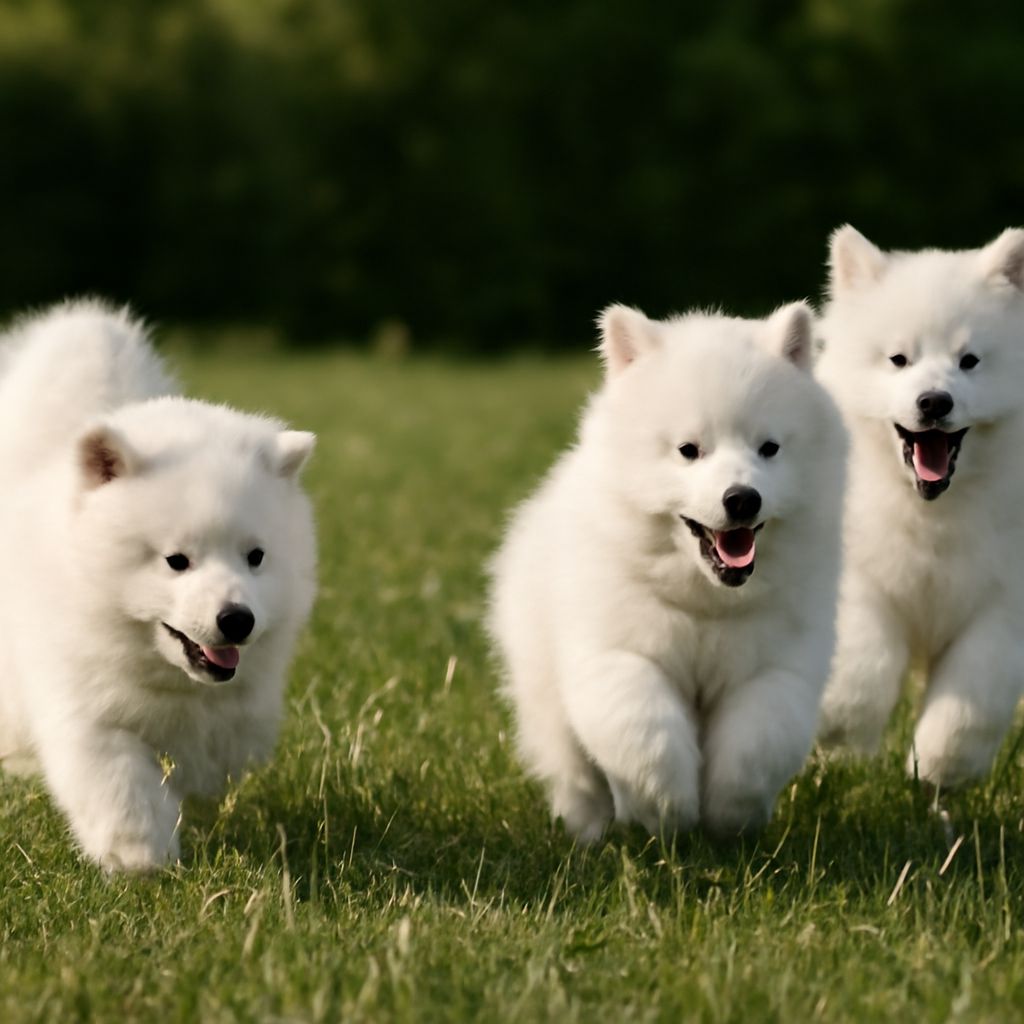
The Eurasier dog is a relatively young breed, having been developed in Germany during the 1960s. Julius Wipfel aimed to combine the best qualities of the Chow Chow, Wolfspitz (Keeshond), and later, the Samoyed, creating a balanced companion with a dignified appearance and calm demeanor. This deliberate mix resulted in a breed that uniquely blends the characteristics of its ancestors, setting the Eurasier apart from other dogs.
Originally called the “Wolf-Chow,” early Eurasian dogs quickly gained recognition for their stable nature and striking looks. The breed’s name changed to Eurasier to reflect its combined European and Asian heritage. Official recognition soon followed: German kennel clubs accepted the Eurasier dog by the 1970s, and international canine organizations—including the FCI—now recognize these dogs worldwide.
Despite their recent development, Eurasier dogs retain connections to the spitz family, reflected in their wedge-shaped heads and plush coats. Over the decades, selective breeding has refined their temperament, producing a breed known for its devotion and adaptability.
What are the main physical traits of the Eurasier dog?
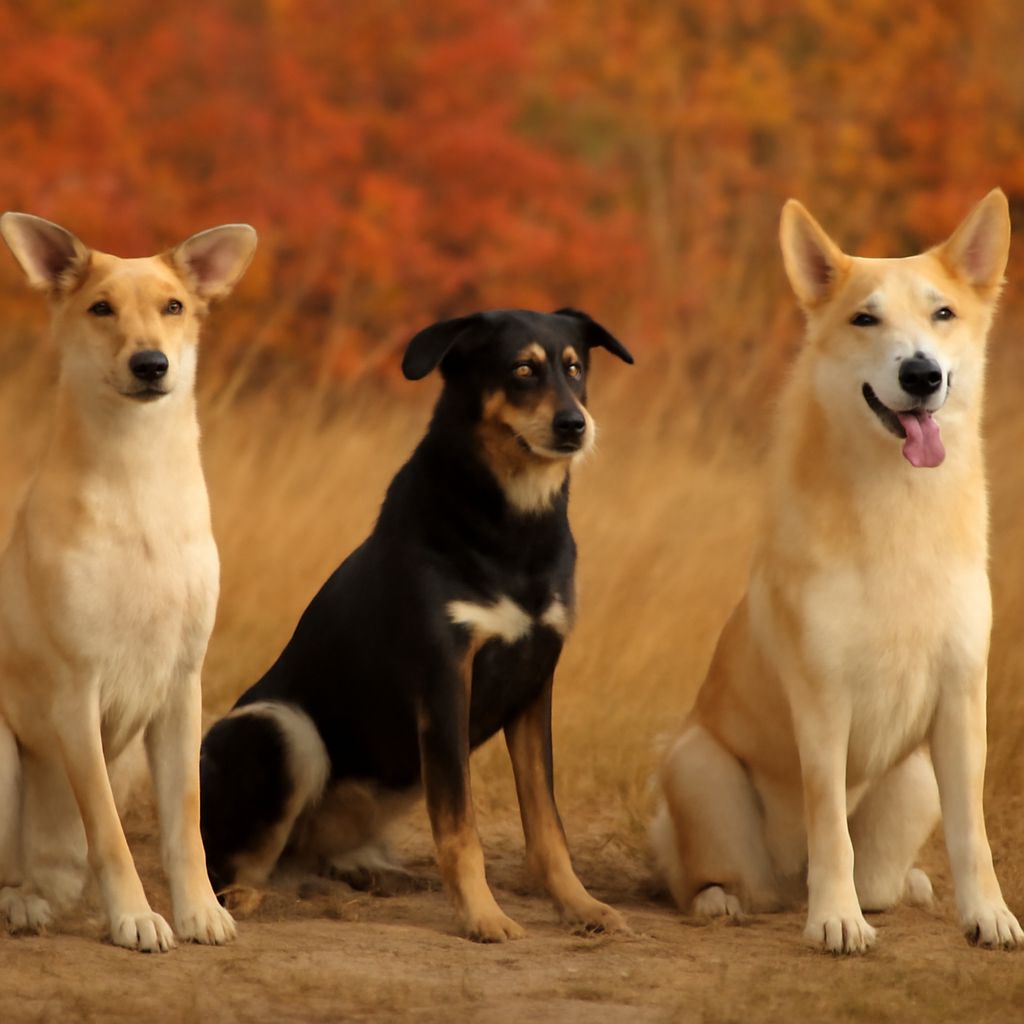
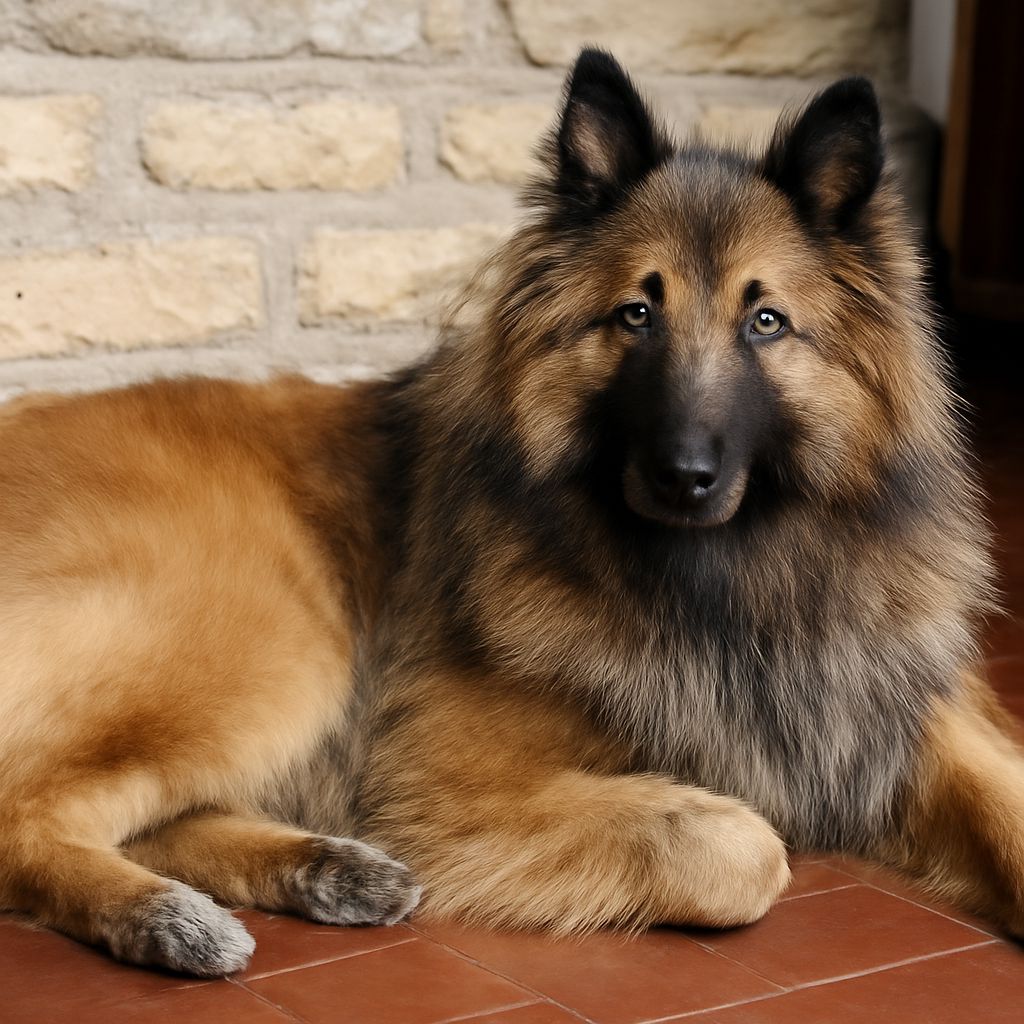
The Eurasier’s physical characteristics represent a harmonious blend of its foundation breeds. These medium-sized dogs typically weigh between 40 and 70 pounds and stand 19 to 24 inches tall at the shoulder. Their build is sturdy yet elegant, with a balanced, athletic frame.
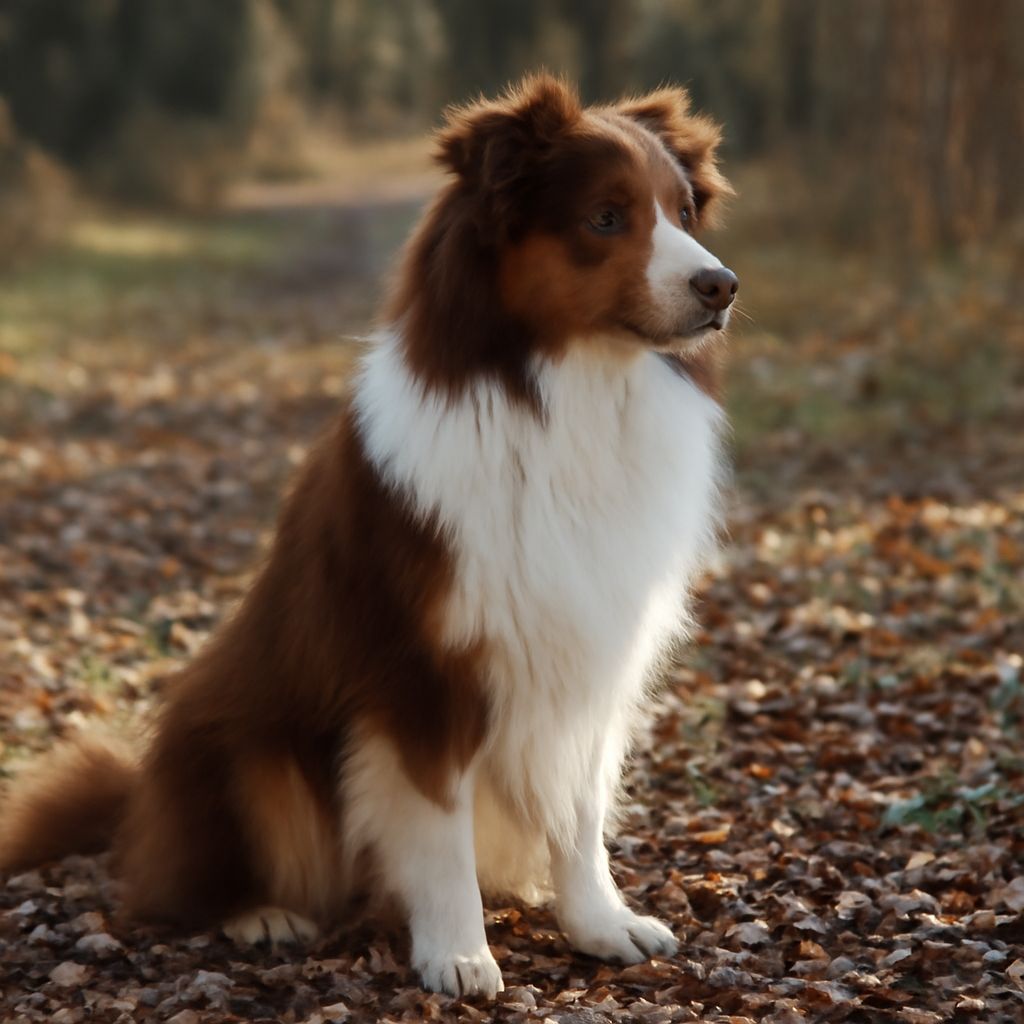
One of the most distinctive features of Eurasier dogs is their double coat, which provides protection in various climates. The outer fur is medium-length and lies flat, while the undercoat is dense and soft. This coat may display a variety of colors, including fawn, wolf-gray, black, and red, though white and liver shades are disallowed by breed standards. Their well-feathered tails curl gently over their backs, and their expressive, almond-shaped eyes reveal a gentle intelligence.
The Eurasian dog’s appearance is further complemented by features like small, triangular ears and a straight muzzle. These traits echo the breed’s spitz lineage and contribute to their alert, attentive expression. Their overall look is neither exaggerated nor overly refined, ensuring they remain agile and versatile.
How is the temperament and personality of the Eurasian dog?
Owners praise Eurasier dogs for their calm, even-tempered personalities. These dogs are known for strong bonds with their families; they thrive on companionship and involvement in household activities. Unlike some breeds, the Eurasier is reserved with strangers—displaying wariness rather than aggression—but becomes deeply affectionate with those it trusts.
Eurasiers tend to be sensitive and perceptive, responding best to gentle handling and positive reinforcement. Their intelligence and desire to please make them responsive to training, provided sessions avoid harsh methods. This breed rarely displays stubbornness if its needs are understood and respected.
As family pets, Eurasier dogs are typically patient with children and accepting of other pets when socialized early. They dislike being left alone for long periods and may become distressed if excluded from daily life. Their quiet dignity and loyalty make them outstanding companions for a wide range of households.
What does caring for a Eurasier dog involve?
The Eurasier’s care requirements are manageable for dedicated owners willing to meet their social, grooming, and exercise needs. Maintaining a routine that includes both physical activity and mental stimulation ensures a happy, balanced dog.
What are the grooming needs of a Eurasier dog?
With their thick double coats, Eurasier dogs shed moderately year-round and more heavily during seasonal changes. Weekly brushing is essential to prevent matting and control loose hair, with more frequent grooming needed during shedding periods. Bathing should be occasional, using mild products to preserve coat health. For serious matting or skin concerns, consult a professional groomer or licensed stylist for guidance.
What exercise and training does a Eurasier dog require?
Eurasiers benefit from daily walks and regular play sessions, which keep them fit and mentally engaged. They enjoy participating in activities like agility or obedience, though they do not require excessive exercise. Positive-based training methods are crucial for this sensitive breed; consistency and patience yield the best results. Early socialization prevents timidity and helps develop a confident, well-mannered pet.
Routine veterinary care, balanced nutrition, and ongoing social exposure all contribute to a Eurasier’s well-being. Regular check-ups ensure they remain healthy and happy throughout their lives.
Is the Eurasier dog the right pet for you?
Choosing a Eurasier dog means welcoming a devoted, intelligent breed into your life. They suit families or individuals who value companionship and are prepared to engage with their pets daily. Their moderate activity level fits well in both suburban and urban settings, provided they receive ample attention and enrichment.
Potential owners should consider their ability to provide regular grooming, social interaction, and positive training experiences. While these dogs adapt well to various living environments, they do not thrive in isolation or neglect. Meeting their needs rewards caregivers with years of steady loyalty, affection, and unique Eurasier charm.