Many pet owners find themselves puzzled by the diverse behaviors exhibited by their dogs. From the cheerful wag of a tail to the unique display of a dog submissive grin, understanding these traits can deepen the bond between humans and their canine companions. However, misconceptions about dog characteristics often lead to misunderstandings. Some believe that all dogs are inherently aggressive or submissive based on breed alone, but this is far from accurate. Each dog is unique, shaped by both genetic traits and environmental factors.
Understanding these characteristics isn’t just about identifying a dog’s behavior; it’s about recognizing the individuality of breeds such as the Chinook dog breed and learning how to cater to their needs. Additionally, commemorating a beloved pet through meaningful memorials like wooden pet urns can offer closure and honor their unique traits. In this article, we will explore common dog characteristics, delve into how these traits influence behavior, and unravel the distinct features of the Chinook dog breed.
What Are Common Dog Characteristics?
Dogs exhibit a range of characteristics that are often influenced by their breed, environment, and upbringing. Common dog traits include loyalty, playfulness, and a keen sense of smell. These attributes are observable across different breeds and are essential in understanding a dog’s behavior. For instance, loyalty is a trait that many dog owners cherish, as it builds a strong foundation of trust between the pet and the owner.
Playfulness is another characteristic that varies widely among dogs. Some breeds are naturally more energetic and require regular exercise, while others may be content with a leisurely walk. These differences highlight the importance of understanding your dog’s individual needs. Recognizing these traits can help foster a harmonious relationship between you and your pet.
How Do Dog Traits Influence Behavior?
The traits a dog exhibits can significantly influence its behavior, shaping how it interacts with other animals and humans. For example, a dog’s natural curiosity might lead it to explore its surroundings more actively, whereas a more timid dog might prefer the safety of familiar environments. Such behavioral tendencies are important to consider, especially when introducing a dog to new settings or social situations.
Additionally, certain breeds are predisposed to specific behaviors due to their historical roles. Working dogs, for instance, often display traits such as intelligence, obedience, and endurance. These characteristics are beneficial when training dogs for specific tasks or activities. Understanding these behaviors helps in creating effective training programs tailored to individual dog needs.
What Is the Chinook Dog Breed Known For?
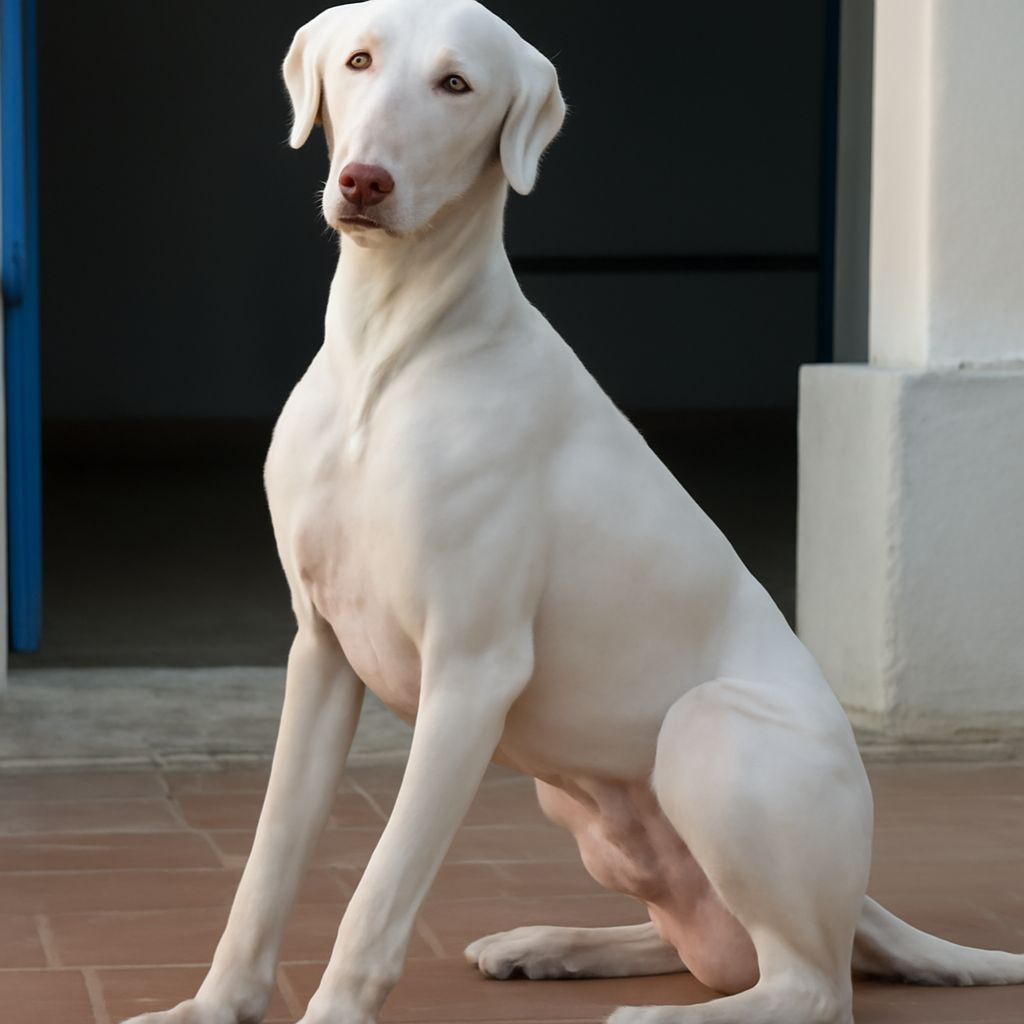
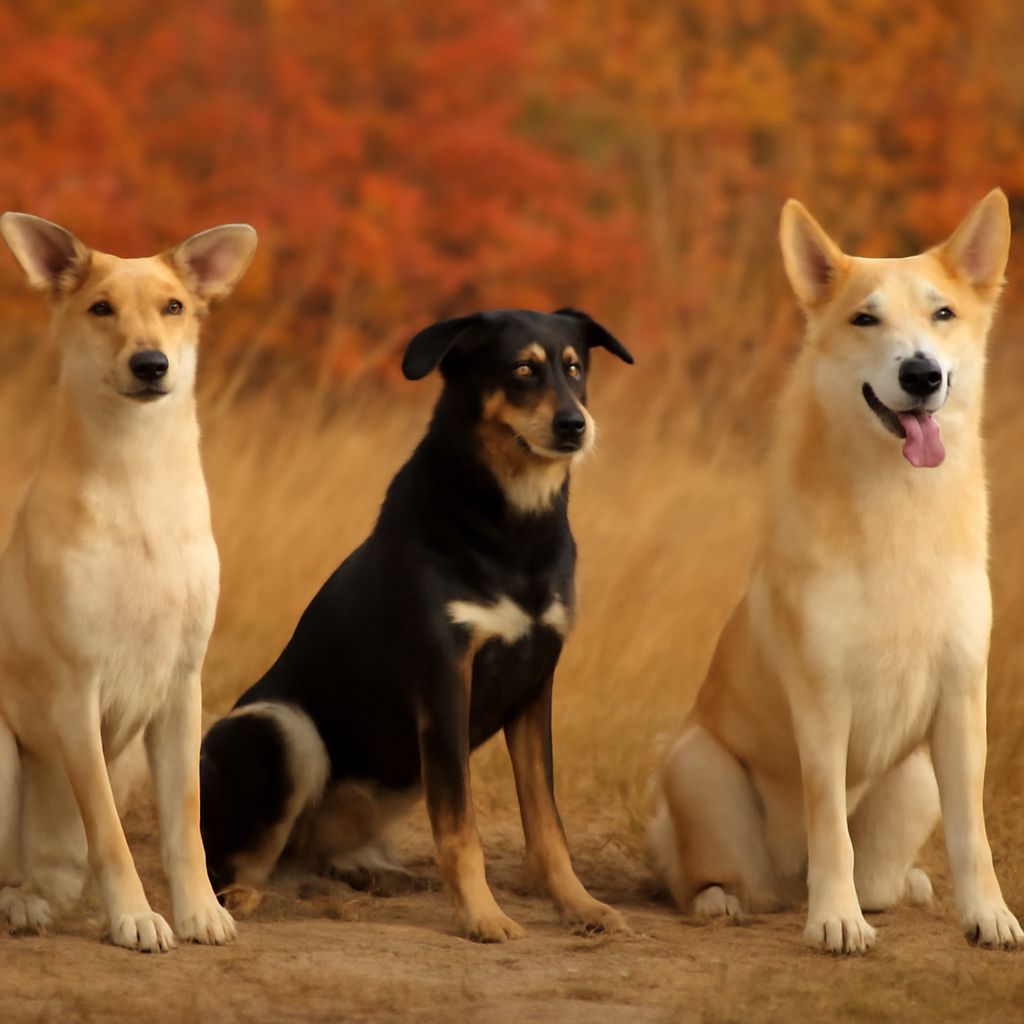
The Chinook dog breed is renowned for its friendly and gentle demeanor, making it an excellent family pet. Originating from New England, Chinooks are known for their strength and endurance, traits that were historically utilized in sledding activities. These dogs possess a unique blend of patience and playfulness, endearing them to families with children.
Chinooks are also characterized by their loyalty and eagerness to please, attributes that make them responsive to training and socialization. Their social nature means they thrive in environments where they can interact with both humans and other animals. Understanding the traits of the Chinook breed helps potential owners provide the appropriate care and environment to encourage a happy and healthy life.
Why Do Dogs Show a Submissive Grin?
A dog displaying a submissive grin is often misunderstood as showing aggression. However, this grin is typically a sign of submission, a natural trait that dogs use to communicate peace and friendliness. It’s essential to recognize this behavior for what it is—a positive expression of the dog’s temperament.
Observing a submissive grin can be a reminder of the dog’s non-threatening nature. This trait is often accompanied by other calming signals, such as a wagging tail or lowered head, reinforcing the dog’s intention to avoid conflict. By understanding these signals, dog owners can better interpret their pet’s emotions and foster a more trusting relationship.
Safety Recap: Whether considering the adoption of a Chinook dog breed or interpreting a dog’s submissive grin, it’s important to approach pet care with an informed perspective. Should you encounter complex behavioral issues or doubts about your dog’s well-being, consulting a licensed veterinarian or professional dog trainer is advised to ensure the best care for your beloved pet.