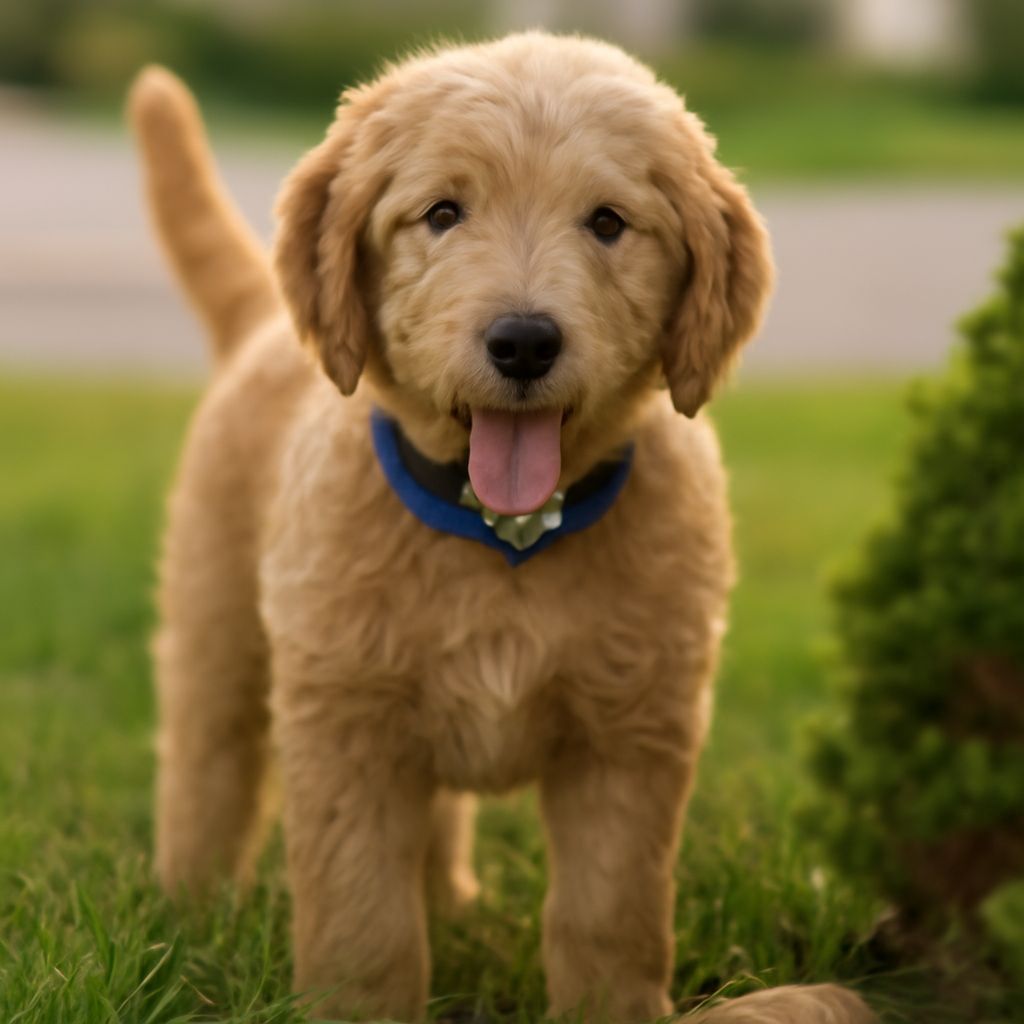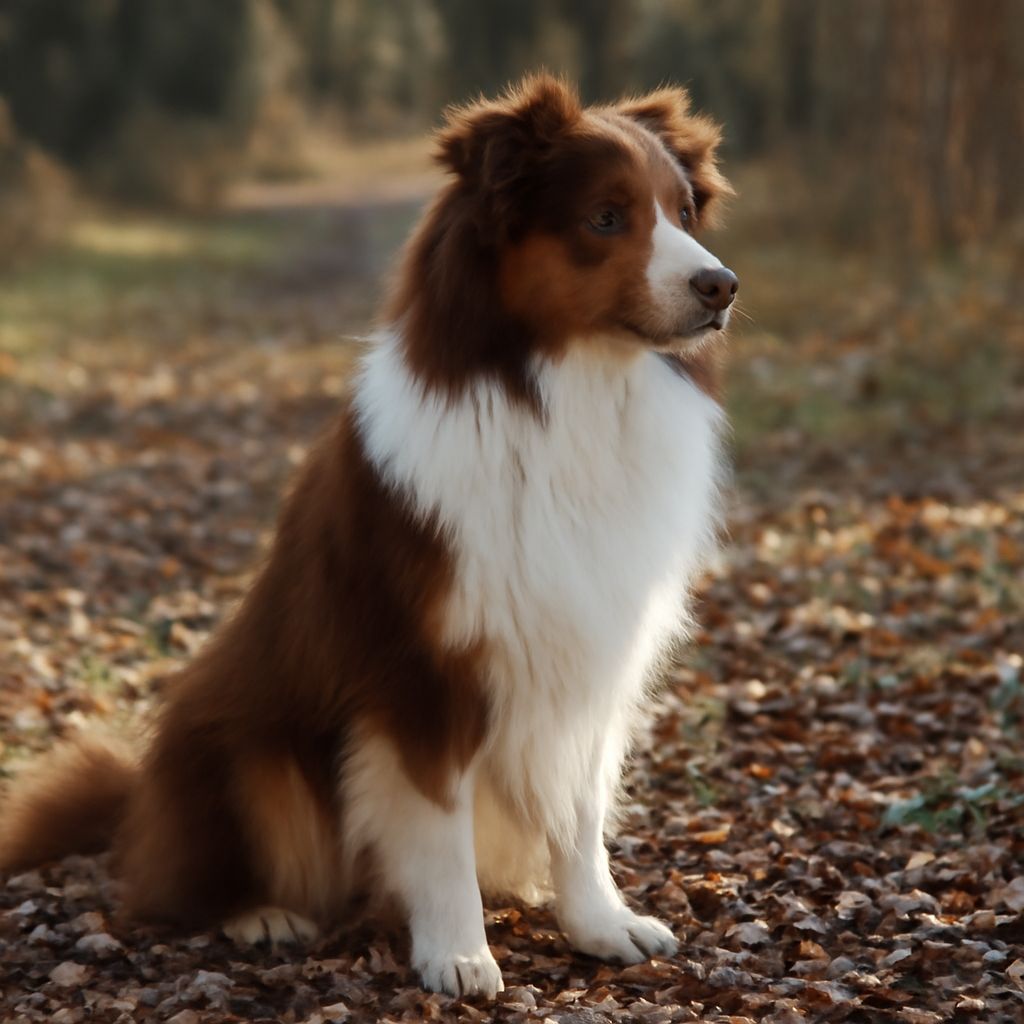
Make room for daily activity, training, and companionship before bringing an Australian Shepherd dog home. An Australian Shepherd can be an engaging partner for walks, games, and learning, but a quick trip around the block will leave many individuals ready for a second assignment. Look at your actual schedule as closely as you look at those expressive eyes.
An Aussie’s needs change with age, health, and personality. A puppy learning to settle, an adult who loves long hikes, and a senior with stiff joints all need different plans. The question is whether your household can adapt as the dog grows.
Australian Shepherd Dogs: Size and Origins
The australian shepherd breed developed as a working stock dog in the western United States. Its ancestors have a more complicated history: the American Kennel Club traces connections to European herding dogs and notes uncertainty about the precise route behind the name. In Australia, shepherd dogs worked with flocks before some people and their dogs traveled onward, but the modern breed took shape in America.
Adult males are typically 20–23 inches tall at the shoulder and 50–65 pounds, with females typically 18–21 inches and 40–55 pounds. Individuals can fall outside those ranges. That is enough dog to need a sturdy leash, a comfortable place to stretch out, and a car setup that works on rainy days.
A medium-sized body does not necessarily mean a low-maintenance routine. A dog bred to notice and move livestock may also notice the delivery truck, the neighbor’s cat, and every child racing across the yard.
What Daily Life May Feel Like
Australian shepherds often enjoy being involved in family activities and learning from their people. Australian shepherd dogs vary in how they greet people. Some welcome visitors enthusiastically; others need time and space to become comfortable. Ask a breeder, foster caregiver, or rescue about the individual dog’s response to strangers, handling, other animals, and time alone.
Herding instincts can show up as watching, circling, chasing, or nipping at moving feet. If play with children gets too intense, calmly interrupt, separate the dog, and redirect to a toy or a simple cue. Supervise interactions and give both child and dog a way to step away. For persistent chasing or nipping, seek a qualified reward-based trainer rather than waiting for the behavior to become a habit.
Austrailan shepherd dogs can be quick learners, which makes clear routines rewarding for everyone. Teach a few practical skills early: coming when called, walking on a loose leash, going to a mat, and relaxing while you open the door. Reward the behavior you want with food, play, or praise. Short sessions are easier to fit into a day and help keep a young dog interested.
Plan Activity and Downtime
Aussie shepherds generally thrive with regular physical exercise and something to think about. The Australian Shepherd Club of America notes that they need daily exercise and attention, though a farm is not required. A fenced yard is convenient, but an open door to the yard rarely replaces a walk or time with you.
Try combining a morning sniff walk, a brief training game, and an afternoon outing. Scatter a portion of a meal in a safe area for a food search, practice recall on a long line in an appropriate space, or teach a new trick. These are examples, not a fixed prescription: a dog’s age, fitness, weather, and enthusiasm should guide the amount and intensity.
For a puppy, favor short, gentle play and exploration with plenty of sleep. Ask your veterinarian about age-appropriate exercise and when to introduce sustained running or repetitive jumping. For an adult, increase activity gradually and watch for limping, excessive fatigue, or reluctance to continue. Provide water and shade, and adjust outings during hot weather.
Rest is part of the plan. Offer a quiet bed away from household traffic and reward calm moments. If your dog has a full day of exciting games but cannot settle afterward, consider whether the routine needs more quiet time and predictable breaks, not simply another game of fetch.
Coat Care and Household Chores
Austrailian shepherds have a double coat that sheds, with the amount varying by dog and season. Brush at least weekly to remove loose hair and check behind the ears, under the collar, and around the legs for tangles. During heavier shedding, add sessions as needed. Part the hair and brush gently through each section; a metal comb can help you find snags that the brush missed.
After a walk, check the coat and paws for burrs, ticks, or debris. If a mat is tight against the skin, ask a groomer for help rather than cutting it out with scissors. The breed club’s grooming guide explains that shaving a double coat does not stop shedding. Bathe as needed with dog shampoo and dry the coat thoroughly.
Keep nail trims, dental care, and ear checks on the calendar too. Introduce each step gradually with treats and a soft touch. Redness, odor, persistent scratching, or pain during handling calls for a veterinary check rather than a longer brushing session.
Choosing a Dog for Your Household
Austrailian shepards may differ considerably in confidence, energy, and previous experience. Meet the individual if possible, and ask how the dog behaves after activity as well as during it. A foster home can often describe settling indoors, comfort with visitors, and any support already needed. A breeder should be willing to discuss the parents’ health testing and the puppy’s early social experiences; ask to see records and review them with your veterinarian.
Australian shepards who enjoy close interaction may find long, uneventful stretches alone difficult. If your workday keeps you away, consider whether a trusted walker, family member, or daycare suited to the individual dog can provide a break. Build time alone gradually, and ask a qualified professional for help if the dog shows distress.
An australian.shepherd can share an apartment or a house when its exercise, training, rest, and social needs are met. Space matters less than the routine you can reliably provide and the dog’s ability to relax in that environment.
Before choosing, block out a week on your calendar for walks, training, brushing, and a midday break; then check who will cover each task on your busiest day.