Discovering your dog foaming at mouth can be an alarming sight for any pet owner. Images of dogs producing copious froth around their lips often conjure distressing scenarios, but not every episode hints at an emergency. Popular culture and internet tales have contributed to the myth that a dog foaming at the mouth always signals dire illness, such as rabies or poisoning. In truth, the reasons behind this noticeable symptom are varied—sometimes benign, sometimes more serious.
Understanding why is my dog foaming at the mouth requires a grounded perspective, separating fact from fiction. Many pet parents worry immediately about contagion or life-threatening issues, yet most cases of mouth foam in dogs have straightforward explanations. This article unpacks the real causes behind dog foaming at mouth, explains what it means, and clarifies when you should take action for your canine companion’s wellbeing.
What does dog foaming at mouth mean?
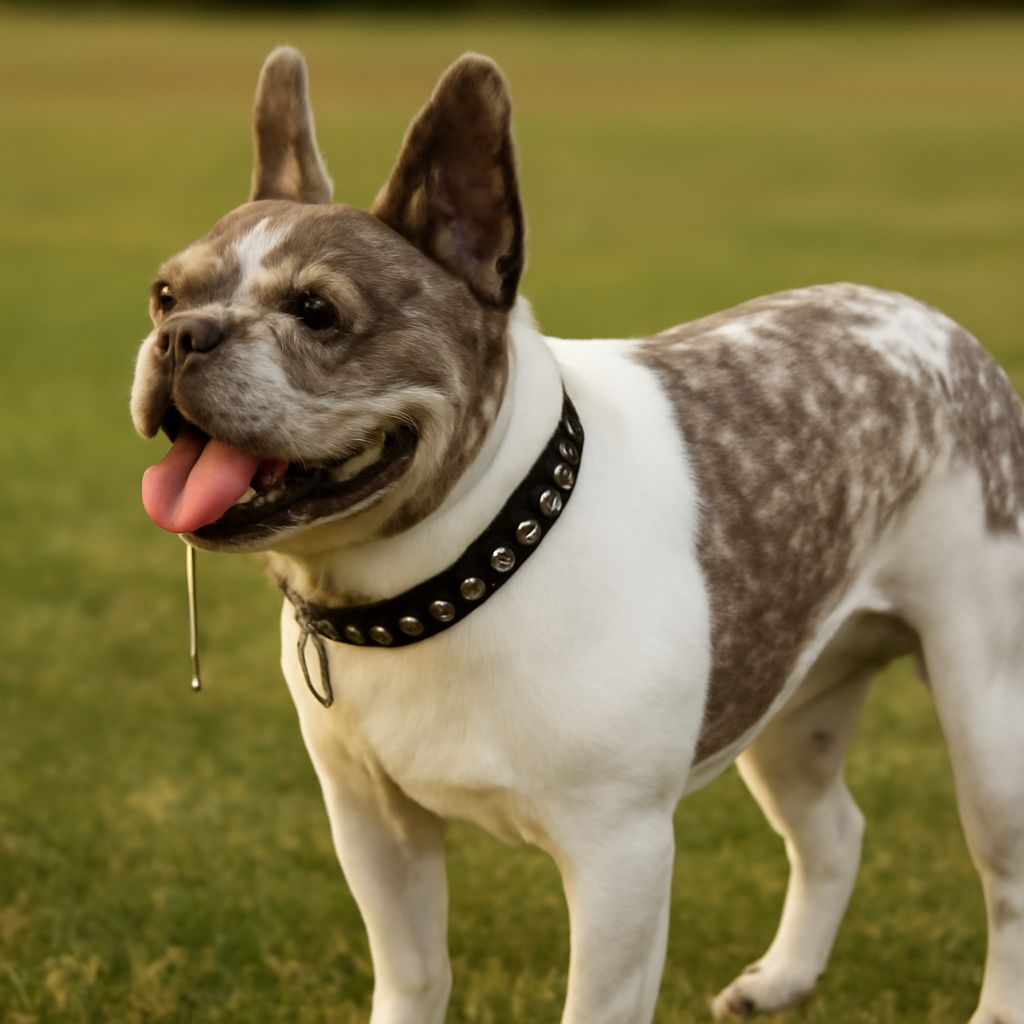
Dogs salivating heavily or producing bubbles around the lips might look concerning, but this is typically the result of excessive saliva mixing with air while the animal pants, barks, or chews. The physical appearance of foaming arises when normal drool or spit becomes agitated, forming froth. This reaction can happen after vigorous play, excitement, or during stressful events.
For some pets, a dog’s tendency to foam from the mouth comes down to breed traits or individual habits. Boxers and similar breeds, with their loose jowls, are naturally prone to drooling and may display mouth bubbles more often. Additionally, exposure to strong tastes—such as bitter medications or citrus peels—can provoke a short-lived episode of foaming, as the taste triggers excessive salivation and tongue flicking.
Importantly, the presence of foam alone does not automatically indicate disease. Many dogs will foam transiently, especially after ingesting unfamiliar substances or during oral hygiene routines. Recognizing the difference between physiologic (normal) and pathologic (abnormal) foam is key in evaluating whether your pet needs extra attention.
Why is my dog foaming at the mouth? Common causes explained
The underlying causes of a dog’s foamy mouth range from the ordinary to the urgent. One of the most frequent triggers is emotional arousal—whether it’s excitement, fear, or anxiety. Dogs who are stressed, such as during car rides or veterinary visits, often pant excessively, leading to spit becoming frothy. Similarly, dogs playing fetch or running energetically may display temporary mouth bubbles due to heavy breathing and agitation of saliva.
Other times, the reason for a dog producing foam from its mouth lies in dental or oral discomfort. Conditions like gingivitis, tooth decay, or foreign objects (such as sticks or toys) can irritate the gums, prompting drooling that appears bubbly. If a pet chews on a bitter-tasting item or accidentally bites into a chemical, the resulting distaste and irritation can also cause pronounced foaming.
While uncommon, medical emergencies can also drive dogs to foam. Seizures, exposure to toxins (like certain pesticides or household cleaners), or advanced infections—including rabies—may present with persistent, abnormal froth. In these scenarios, the foam is typically accompanied by other serious signs, such as tremors, disorientation, or collapse.
When should I worry if my dog is foaming at the mouth?
Not every episode of foaming requires immediate concern, but certain signs suggest a deeper problem. If a dog’s foam persists for more than a few minutes, is accompanied by vomiting, lethargy, or obvious pain, seek veterinary care promptly. Dogs who show sudden changes in behavior, such as aggression, confusion, or seizures along with mouth froth, need urgent evaluation.
Any instance where a pet has potentially accessed a toxic substance—such as rodenticides, human medications, or harmful plants—should be treated as an emergency. Similarly, severe oral injuries or the suspicion of a stuck object demand prompt attention from a licensed veterinary professional. Early intervention can prevent complications and improve outcomes for affected pets.
What should I do if my dog foams at the mouth?
For mild, brief foaming episodes—especially after play or in response to an unpleasant taste—simply monitor your dog and provide water. Remove any potential irritants and observe for improvement. If the foam dissipates quickly and your dog behaves normally, there is typically no cause for alarm.
However, if your dog continues to drool thick, bubbly saliva or shows other signs like weakness, agitation, or trouble breathing, prompt action is warranted. Avoid attempting home remedies or inducing vomiting without professional guidance. In cases of severe or prolonged symptoms, or if you suspect poisoning or neurological issues, transport your dog safely to a veterinary clinic for immediate assessment.
Staying informed and calm helps you navigate episodes of dog foaming at the mouth with confidence, ensuring timely, appropriate care for your canine friend.