It’s a common misconception that lymphoma in dogs is always apparent and easy to identify. Many dog owners believe that only visible lumps signal this condition. However, understanding the nuanced dog lymphoma symptoms is crucial for early detection. Many signs are subtle, and recognizing these can make a significant difference in treatment outcomes. From large cell lymphoma in dogs to other types, being informed helps in taking timely action.
With an array of symptoms that vary in severity, pinpointing lymphoma cancer in dogs early on is essential. Recognizing various signs can increase a dog’s chances of receiving effective treatment. Here, we explore the key aspects of identifying and managing this disease.
What Are the Common Signs of Lymphoma in Dogs?
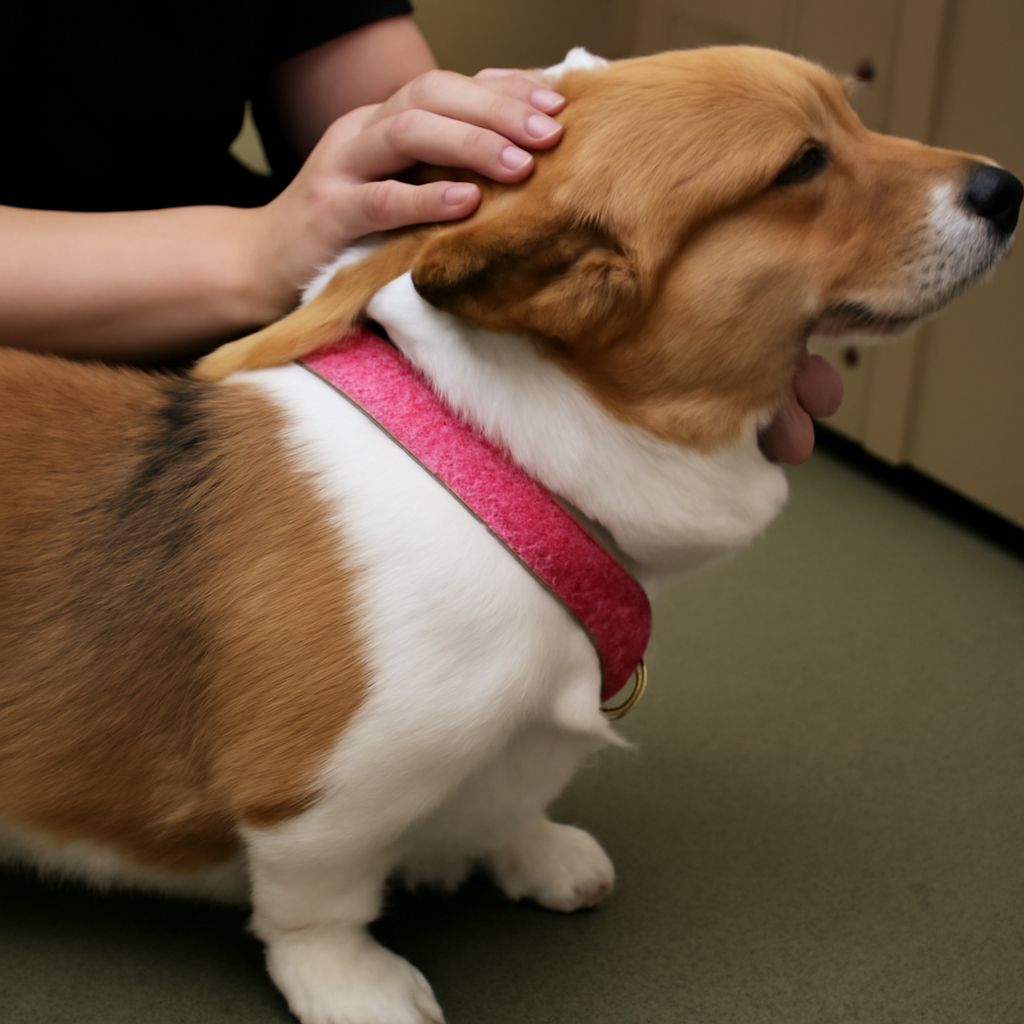
Dogs with lymphoma often present with a range of symptoms, which can be mild or severe. Common signs include swollen lymph nodes, particularly noticeable under the jaw, armpits, or groin area. Weight loss, lethargy, and loss of appetite are also frequent indicators.
As the disease progresses, you might notice breathing difficulties, increased thirst, and urination. Some dogs experience gastrointestinal issues, such as vomiting or diarrhea, which can indicate the spread of the disease beyond the lymphatic system.
Dog owners should be aware that symptoms can be easily mistaken for other health issues. Any persistent changes in behavior or health should be discussed with a veterinarian for proper evaluation.
How Can You Identify Dog Lymphoma Symptoms Early?
Early detection of lymphoma cancer in dogs significantly enhances treatment efficacy. Regular veterinary check-ups are vital, as professionals can spot signs that might be overlooked at home. Additionally, observing any unusual lumps or bumps on your pet should prompt a veterinary visit.
Monitoring your dog’s energy levels and eating habits can provide clues. Sudden changes, like decreased activity or reluctance to eat, may warrant further investigation. Keeping a journal of your dog’s health can help track these changes over time, offering valuable insights to your vet.
While some symptoms of lymphoma overlap with other conditions, maintaining diligent observation can lead to early diagnosis and intervention.
What Is Large Cell Lymphoma in Dogs?
Large cell lymphoma is a particularly aggressive form of lymphoma seen in dogs. It involves larger cancerous cells and often presents with rapidly enlarging lymph nodes. This type typically requires prompt attention due to its swift progression.
Early signs might be similar to other forms of lymphoma, but the speed at which symptoms develop is a key differentiator. Rapid weight loss, decreased appetite, and significant lethargy are common in cases of large cell lymphoma.
Understanding the unique characteristics of large cell lymphoma is critical. If suspected, it should be addressed urgently with professional veterinary guidance.
How Is Lymphoma Cancer in Dogs Diagnosed and Treated?
Diagnosis of lymphoma generally involves multiple tests, including blood tests, biopsies, and imaging. A veterinarian will perform these to confirm the type and stage of lymphoma. Once diagnosed, treatment options are considered based on the dog’s health and the lymphoma stage.
Treatment for lymphoma often involves chemotherapy, which can be highly effective in managing the disease and prolonging life. Other therapies might include radiation or surgery, depending on the lymphoma type and its progression.
Consulting a licensed veterinary oncologist is recommended to design a tailored treatment plan for your dog. Early and accurate diagnosis paired with an appropriate treatment strategy can significantly improve outcomes.
Being proactive and informed about dog lymphoma symptoms enables timely decisions that can enhance quality of life. Regular veterinary care and keen observation are essential in fighting this challenging disease.