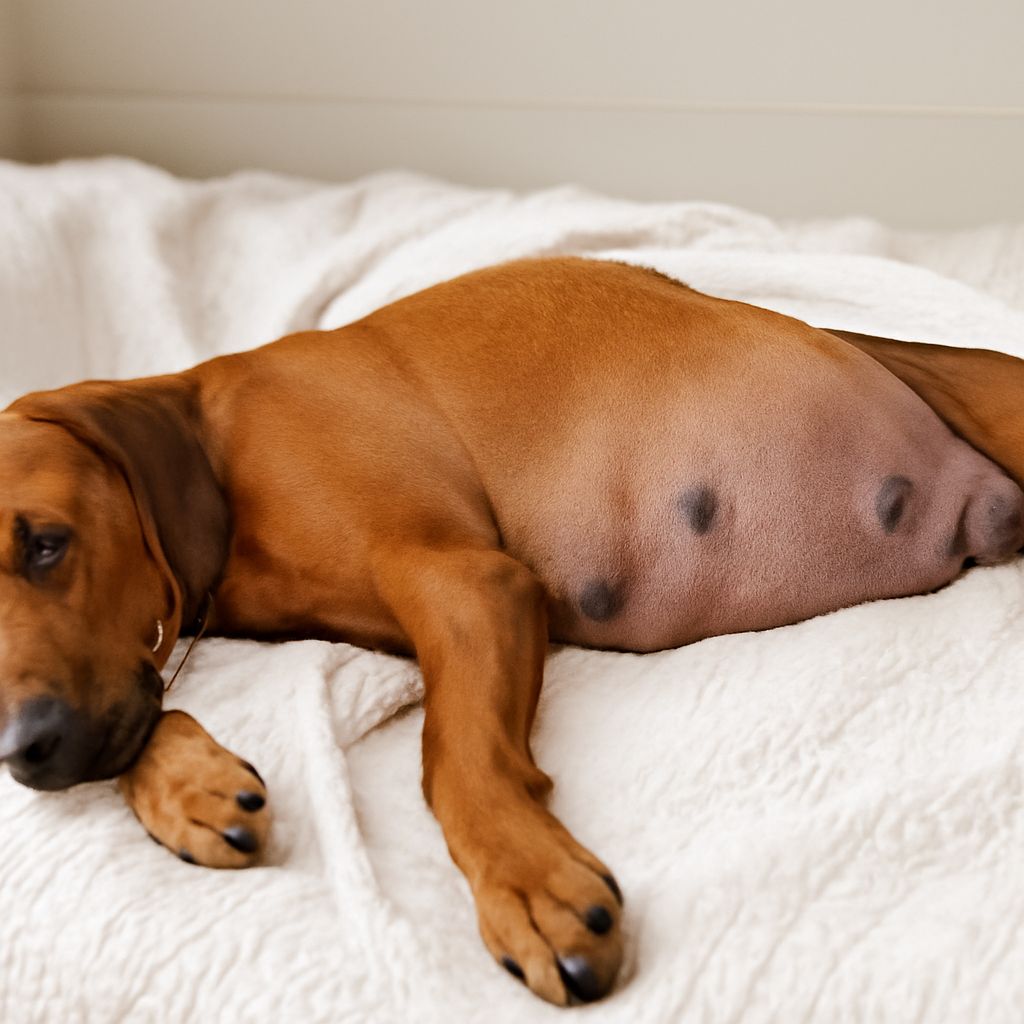
Many dog owners worry when they discover their pets have swollen lymph nodes, often fearing the worst. However, it’s important to know that dog swollen lymph nodes not cancer-related are more common than you might think. Understanding dog lymph nodes can help demystify these vital parts of your pet’s anatomy and aid in maintaining their health.
Dog lymph nodes play a crucial role in the immune system, acting as filters for harmful substances. While swelling can indicate a serious condition, it’s not always a sign of cancer. Instead, learning about the different causes and symptoms can lead to better care for your four-legged friend.
What Are Dog Lymph Nodes?
Lymph nodes in dogs are small, bean-shaped glands found throughout the body. They are integral to the immune system, helping to identify and fight infections. These nodes filter lymph fluid, capturing bacteria, viruses, and other foreign substances. Understanding the purpose of these nodes is crucial for dog owners.
Healthy lymph nodes are typically small and not easily felt. They react to infections and inflammations by swelling, which is a normal response, highlighting the body’s natural defense mechanisms.
Why Do Dogs Get Swollen Lymph Nodes?
There are several reasons why a dog’s lymph nodes might swell. Infections, such as bacterial or viral, often cause this condition. Allergic reactions and immune system disorders can also lead to swelling. It’s essential to recognize that dog swollen lymph nodes not cancer-related are frequently the result of these common issues.
Furthermore, dental disease and other localized infections may cause nearby lymph nodes to enlarge. Identifying the underlying cause is vital for effective treatment, and in many cases, the swelling subsides as the infection clears.
How to Identify Dog Lymph Node Locations
Knowing dog lymph node locations helps in monitoring your pet’s health. Common sites include the neck, behind the jaw (submandibular), in front of the shoulders (prescapular), and behind the knees (popliteal). Gently feeling these areas can help detect any abnormal swelling.
Regularly checking these locations allows you to spot changes early, ensuring prompt attention. If you find persistent swelling, consulting a professional is always advisable to explore underlying causes.
Are Swollen Lymph Nodes in Dogs Always Cancer?
While cancer is one potential cause, not every case of swollen lymph nodes in dogs leads to a cancer diagnosis. Various benign conditions can also lead to swelling. Understanding dog swollen lymph nodes not cancer-related helps in alleviating unnecessary anxiety.
In some cases, lymphoma, a type of cancer, might be responsible, but this is not the majority of situations. Early detection and diagnosis through veterinary examination can differentiate between serious and less concerning causes.
When to Consult a Vet About Swollen Lymph Nodes
If a dog’s lymph nodes are persistently swollen or if they are accompanied by other symptoms such as lethargy, fever, or loss of appetite, a visit to the vet is warranted. Professional evaluation is crucial for accurate diagnosis and treatment.
Consulting a veterinarian ensures that any serious conditions are addressed promptly. Licensed professionals can conduct necessary tests and recommend appropriate treatments, ensuring your dog receives the best care.
Safety recap: While swollen lymph nodes can be concerning, they are not always indicative of cancer. Regular checks and understanding dog lymph node locations play a vital role in maintaining your pet’s health. Always seek professional advice for persistent or severe symptoms to ensure proper care.