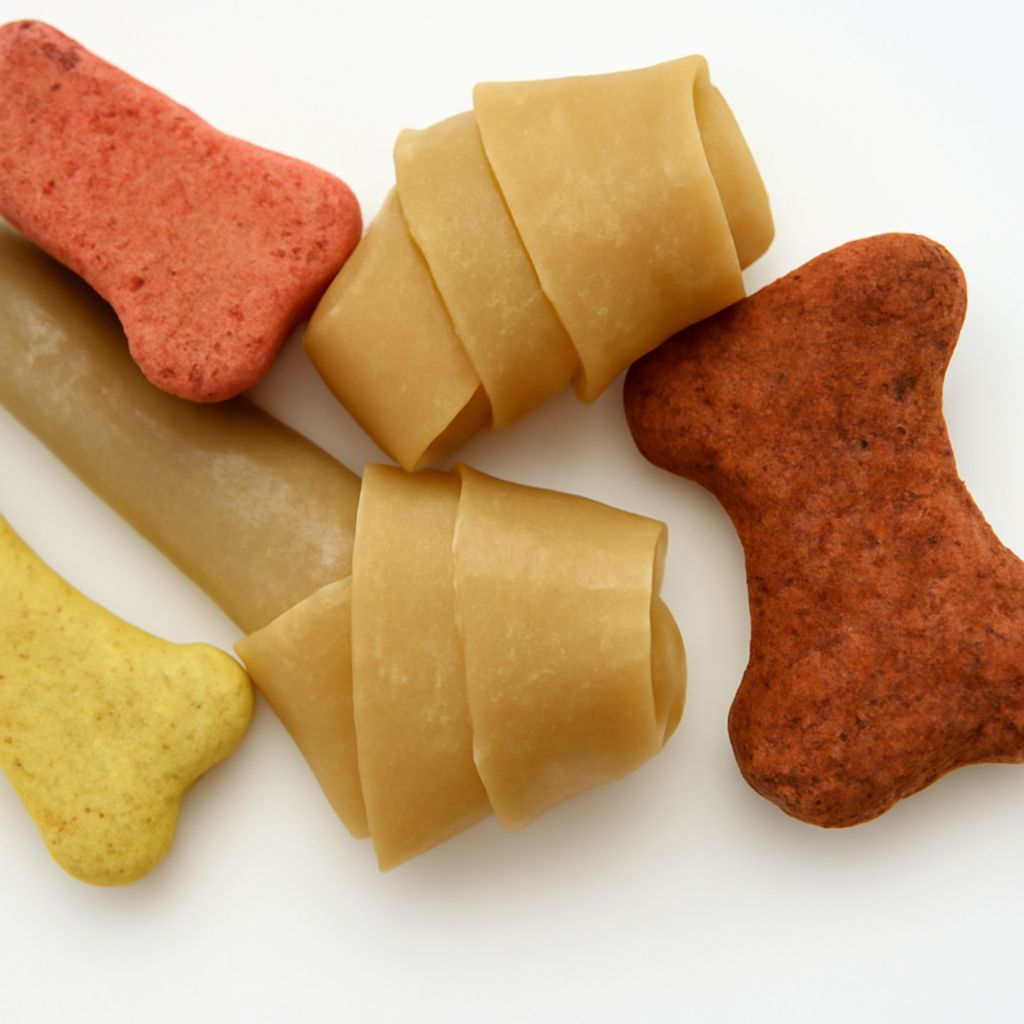
Dog owners often assume that all treats are created equal, but this couldn’t be further from the truth. The worst dog treats often contain harmful ingredients that can jeopardize your pet’s health. Many believe that a bad dog treat is simply one their pet won’t eat. However, the reality is that certain treats, though enticing, might be detrimental due to their poor quality components and potential health risks.
To maintain your pet’s health, it is essential to be mindful of what constitutes the worst dog treat. Identifying treats that may lead to adverse health effects is crucial for ensuring your furry friend’s safety and well-being. Let’s dive into why some treats are considered the worst and how to identify them.
Why Are Some Dog Treats Considered the Worst?
Dog treats are often considered the worst when they pose health risks to pets. These risks might not be immediately apparent, but over time, the effects can become significant. Low-quality dog treats can contribute to obesity, dental issues, and even organ damage.
Many bad dog treats contain artificial preservatives and colorants, which can lead to allergic reactions or more severe health problems. Furthermore, treats with high levels of sugar or unhealthy fats can cause weight gain and related health issues such as diabetes.
What Ingredients Make Dog Treats Bad?
Ingredients are the primary determinant of a treat’s quality. The worst dog treats often contain fillers like corn, soy, and wheat, which offer little nutritional value. While these ingredients are not inherently harmful, they provide minimal benefits and can act as allergens to some dogs.
Artificial preservatives such as BHA, BHT, and ethoxyquin are commonly found in low-quality treats and are linked to various health risks. When choosing treats, avoid those with synthetic additives and instead opt for options with natural preservatives.
Watch out for treats high in sugar and salt. While they might be appealing to dogs, excessive sugar and salt can lead to serious health conditions over time, including heart disease and high blood pressure.
How to Identify Bad Dog Treats in the Market
To identify bad dog treats, start by examining the ingredient list. Look for whole, natural ingredients and avoid products with a long list of chemicals or unknown substances. The shorter and more recognizable the ingredient list, the better.
Investigate the treat’s origin. Some countries have lower safety standards, resulting in products that might contain harmful chemicals or contaminants. Opt for treats manufactured in countries with rigorous safety regulations.
Consult with your veterinarian if you’re unsure about a treat. They can offer advice tailored to your pet’s specific needs, ensuring you make the best possible choice. Additionally, be cautious of marketing hype; not all “natural” or “organic” labels guarantee a product’s quality.
Finally, observe your dog’s reaction to the treats. If you notice any adverse reactions, such as digestive issues or skin irritations, discontinue use immediately. Monitoring your pet’s health in conjunction with their treat intake is a proactive approach to ensuring their long-term wellness.