For years, it’s been a common belief that dogs’ mouths are cleaner than humans’. But is there any truth to this claim? The idea that a dog’s tongue is inherently clean and capable of self-sanitization has captured the imagination of pet owners worldwide. However, understanding the reality of dog oral hygiene requires diving into the biology of canine and human mouths.
Are dogs’ tongues clean enough to warrant such a reputation? The reality may surprise you. While dogs exhibit certain behaviors that contribute to oral cleanliness, equating their mouths with a sanitized environment is misleading. Let’s explore the fascinating world of oral bacteria in both dogs and humans to reveal the truth behind these common misconceptions.
Understanding Oral Bacteria in Dogs and Humans
The mouth of any mammal, whether human or canine, is a complex ecosystem teeming with microorganisms. These bacteria play a crucial role in maintaining oral health but can also contribute to dental issues when imbalances occur. In dogs, the bacteria present differ significantly from those in human mouths, making direct comparisons difficult.
Canine mouths harbor bacteria specifically adapted to their diet and lifestyle. For example, dogs are less prone to cavities than humans due to a different bacterial composition. Despite this, they can still suffer from periodontal disease, which is more common in dogs than tooth decay. On the other hand, the diversity of bacteria in human mouths can lead to a higher incidence of cavities if oral hygiene is neglected.
It’s important to recognize that while some oral bacteria in dogs may be less harmful to them, they are not necessarily harmless to humans. Thus, while dogs’ mouths are not inherently cleaner, they are simply home to a distinct bacterial ecosystem.
Do Dogs’ Tongues Have Cleaning Properties?
The notion that a dog’s tongue naturally cleans itself is partly rooted in observation. Dogs often lick their wounds, leading to the myth that their saliva has antiseptic properties. While dog saliva does contain some enzymes that can help combat bacteria, it is not a substitute for proper medical care for wounds.
Dogs’ tongues do contribute to oral cleaning to an extent, as licking helps remove debris from their teeth. However, this mechanical action is not enough to prevent plaque buildup or other oral health issues. In reality, the natural cleaning ability of a dog’s tongue is limited, and professional dental care is essential for maintaining oral health.
Moreover, a dog’s diet plays a significant role in oral cleanliness. Chewing on certain types of food or dental treats can aid in reducing plaque and tartar buildup, complementing the natural action of their tongues.
How to Maintain Your Dog’s Oral Health
Ensuring your dog’s mouth stays healthy requires more than relying on their natural habits. Regular dental check-ups with a veterinarian are crucial, particularly for assessing potential issues such as periodontal disease. These visits allow for professional cleaning and early detection of dental problems.
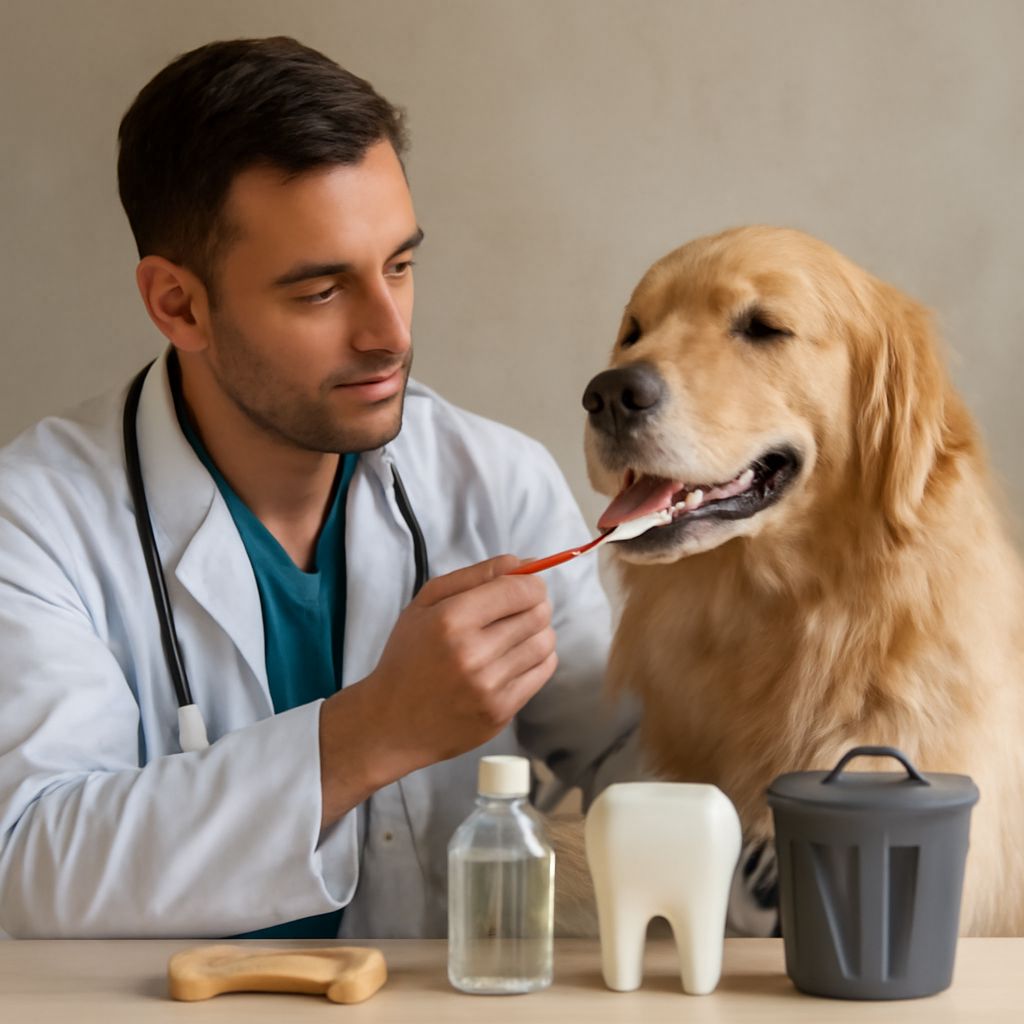
Home care is also vital for canine oral hygiene. Brushing your dog’s teeth with a pet-friendly toothpaste can significantly reduce plaque and maintain oral health. It is advisable to introduce tooth brushing gradually to make the experience pleasant for your pet.
In addition to brushing, providing your dog with appropriate chew toys and dental treats can assist in keeping their teeth clean. These products are designed to promote mechanical cleaning action, effectively reducing plaque accumulation.
Lastly, a balanced diet is a cornerstone of oral health for dogs. Ensuring your pet receives proper nutrition not only supports overall health but also contributes to maintaining a healthier mouth. Consult a veterinary nutritionist if you have concerns about your dog’s dietary needs.
In summary, while dogs’ mouths are not universally cleaner than humans’, understanding the unique characteristics of their oral ecosystem is essential. By debunking myths and focusing on effective oral care practices, you can ensure your dog maintains a healthy mouth and enjoys better overall health.