Pyometra in dogs is often misunderstood, and without proper knowledge, myths can overshadow the facts. Some pet owners mistakenly believe that this condition only affects older dogs or those that have never been bred. In reality, pyometra can occur in dogs of any age and reproductive history. Similarly, many assume that it’s a rare condition, but pyometra is a common and serious uterus infection in dogs, demanding immediate attention to prevent life-threatening complications.
Another misconception is that only certain breeds are susceptible. While some breeds may have a slightly higher risk, this uterus infection in dogs does not discriminate and can affect any breed. The symptoms of pyometra can be subtle at first, making it crucial for dog owners to be vigilant and informed about this condition.
What is Pyometra in Dogs?
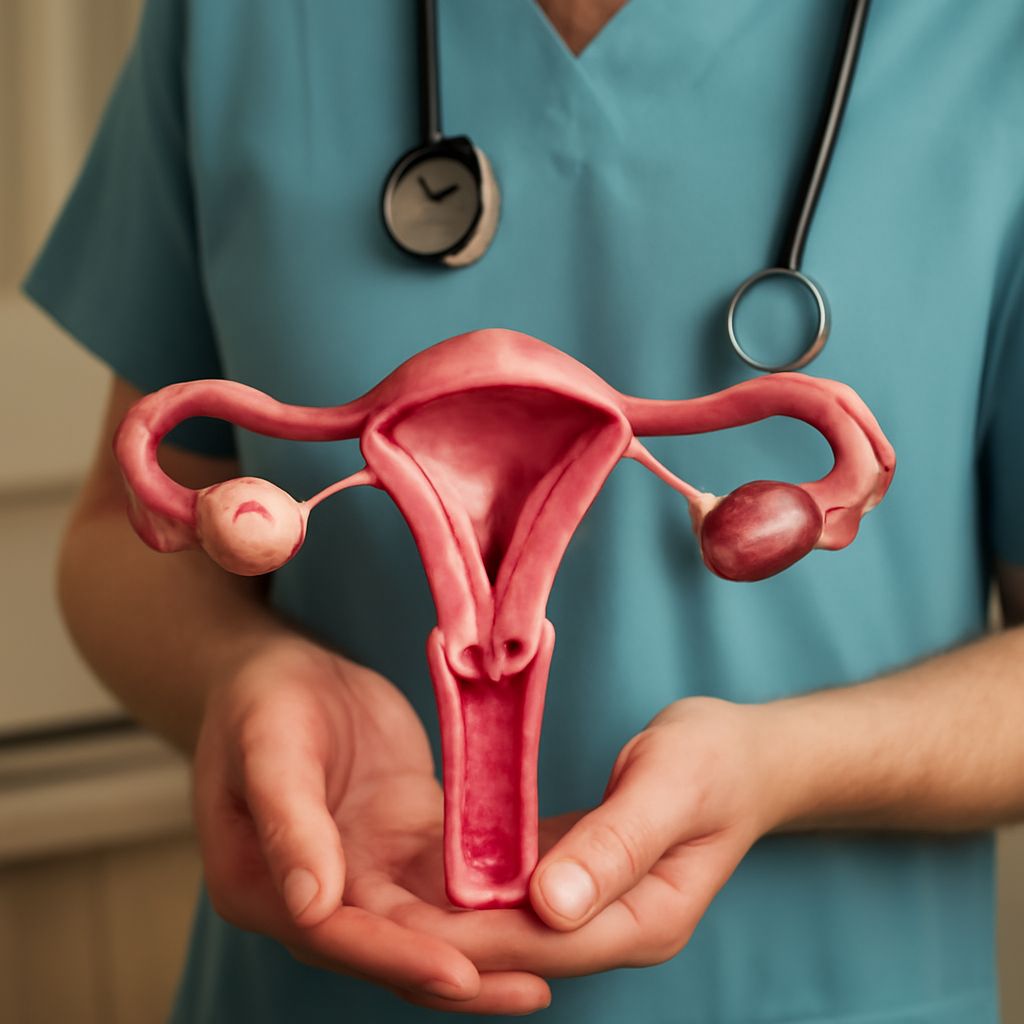
Pyometra is a severe infection of the uterus in dogs, characterized by the accumulation of pus within the uterine cavity. This condition typically arises due to hormonal changes following a dog’s heat cycle. During this period, the dog’s uterus becomes more susceptible to bacterial invasion. The condition can be classified into two types: open pyometra, where pus is discharged through the cervix, and closed pyometra, where the pus remains trapped, posing a higher risk of systemic infection.
What are the Symptoms of Pyometra in Dogs?
The symptoms of pyometra vary depending on whether the condition is open or closed. In cases of open pyometra, owners may notice a foul-smelling vaginal discharge. Other common signs include increased thirst, frequent urination, lethargy, and a swollen abdomen. Dogs may also exhibit a loss of appetite, vomiting, or fever as the infection progresses. In closed pyometra, symptoms such as abdominal swelling and systemic illness may be more pronounced, as the infection has no outlet. Recognizing these symptoms promptly is vital for effective intervention.
How is Uterus Infection in Dogs Diagnosed?
Diagnosing a uterus infection in dogs typically involves a combination of clinical examination and diagnostic tests. Veterinarians will often perform blood tests to check for elevated white blood cell counts, indicative of infection. Ultrasound imaging is crucial for assessing the condition of the uterus, allowing the veterinarian to determine the presence of fluid accumulation. In some cases, X-rays might be used to provide additional information about the abdominal cavity. A quick and accurate diagnosis is essential to determine the appropriate treatment plan.
What are the Treatment Options for Pyo in Dogs?
Treatment for pyo in dogs usually involves surgical intervention. The most common and effective treatment is an emergency ovariohysterectomy, which involves removing the uterus and ovaries. This procedure not only treats the infection but also prevents its recurrence. For dogs not stable enough for surgery, medical management with antibiotics and supportive care may be considered, though this is less effective in the long term. Licensed veterinarians should be consulted to evaluate the severity of the condition and decide on the best course of action. Moreover, early detection and treatment are crucial for the dog’s recovery and overall health.
Bottom line: Pyometra in dogs is a serious condition that requires prompt medical attention. Understanding the symptoms and seeking early diagnosis can save a dog’s life. Always consult a licensed veterinarian for accurate diagnosis and appropriate treatment.