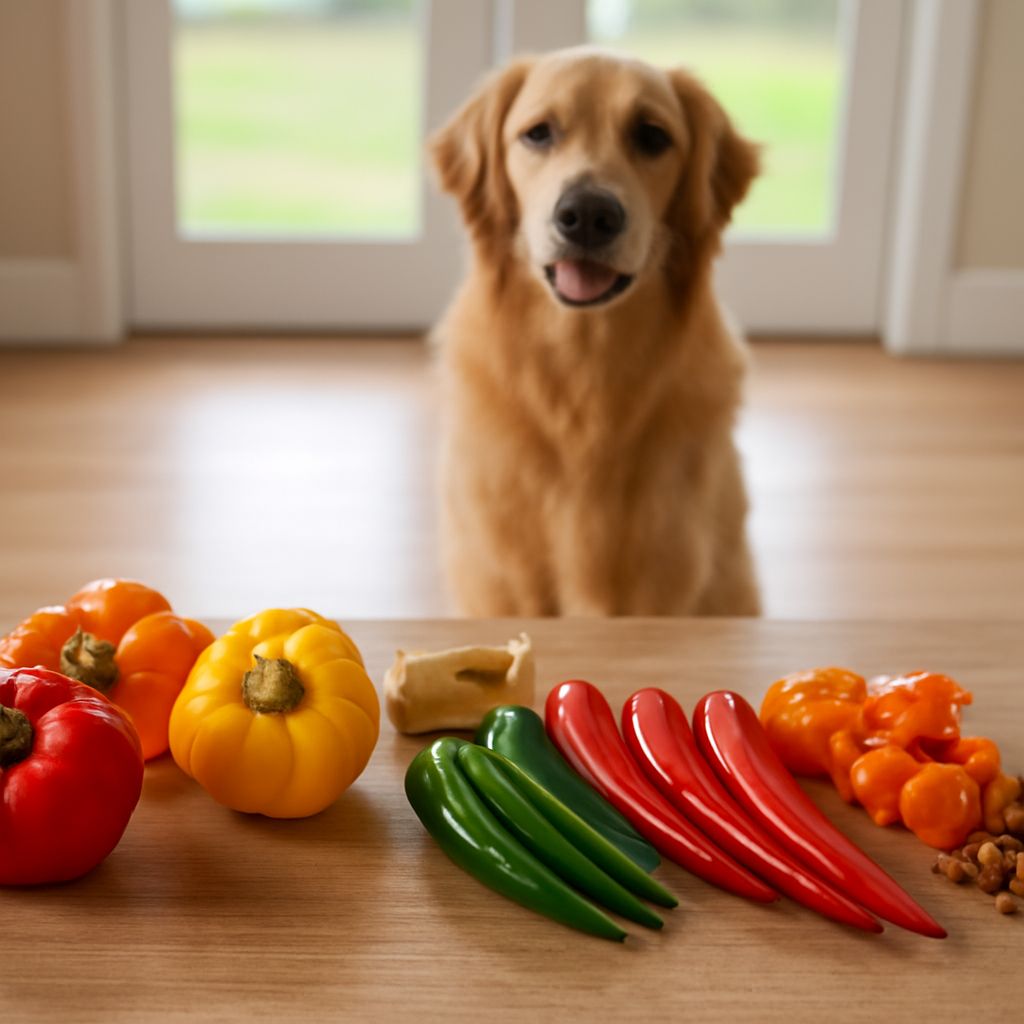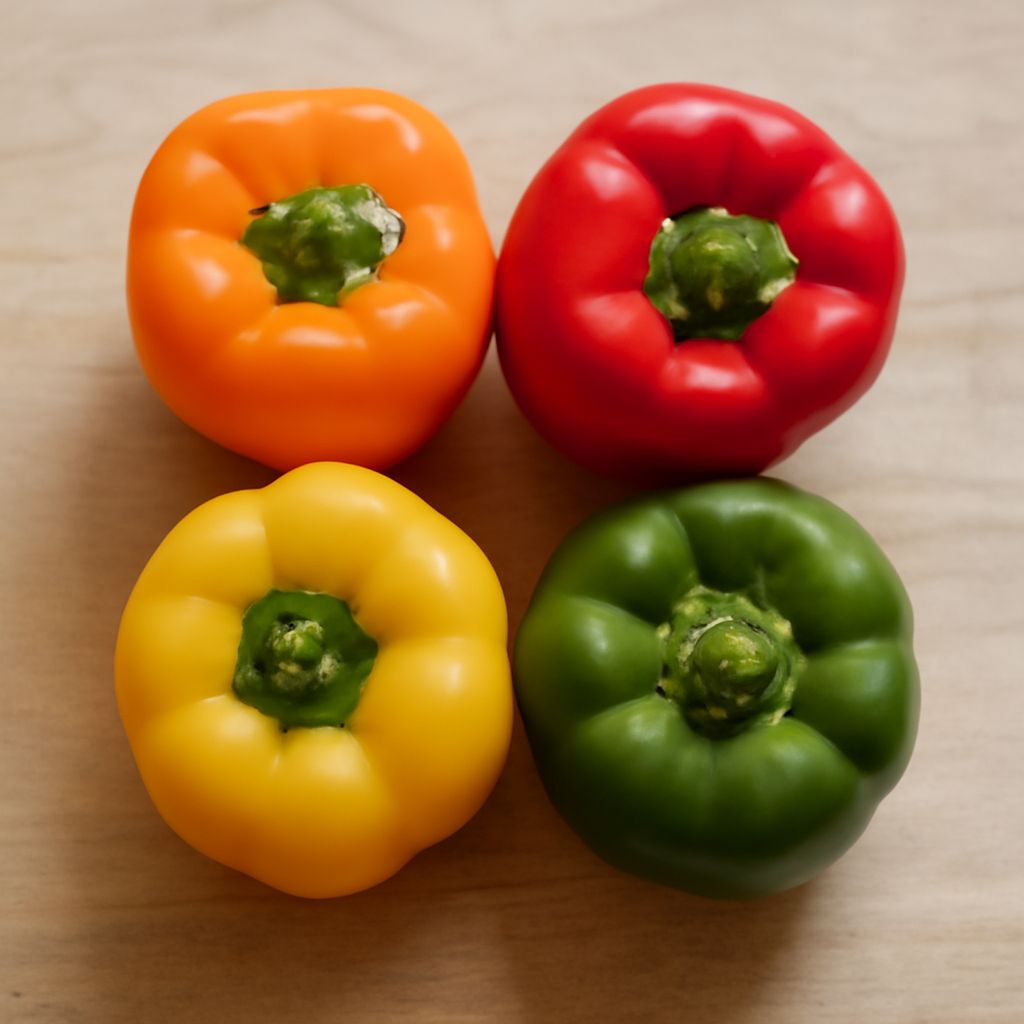
When it comes to spicing up meals, pepper is a staple in many human diets. However, when discussing dog-friendly foods, pepper often raises questions. Can dogs have pepper safely? Understanding the facts behind feeding pepper to your canine friend is crucial for their well-being. While pepper is not inherently toxic to dogs, there are considerations to keep in mind before adding it to their diet.
Many pet owners may assume that what’s safe for them is also safe for their furry companions. The truth is that dogs have different digestive systems and nutritional needs. Before you decide to introduce any new ingredient, such as pepper, into your pet’s meals, it’s important to be well-informed about the potential effects and the proper feeding basics.
What is Pepper and How is it Used in Dog Food?
Pepper, whether black, white, or cayenne, is a common spice that can add flavor to food. In the realm of dog food, pepper is rarely a primary ingredient but may be included in small amounts in some commercial diets. It is mainly used to enhance flavor or as a minor preservative.
However, the use of pepper in dog food is not widespread. Dog food manufacturers typically focus on ingredients that provide nutritional benefits and avoid those that might upset a dog’s digestive system. If you are considering adding pepper to your dog’s meals at home, it’s vital to understand how it might affect them.
Is Pepper Bad for Dogs?
While pepper is not outrightly harmful to dogs, it is not a necessary component of their diet. Dogs have more sensitive palates and digestive systems compared to humans. Introducing spicy or heavily seasoned foods can lead to discomfort or digestive issues. Small quantities of non-spicy varieties, like black pepper, are generally safe but should be given sparingly.
Feeding dogs pepper in excess can lead to stomach upset, including symptoms like vomiting or diarrhea. Additionally, spicy peppers such as cayenne or chili can cause more severe reactions due to their heat. In any case, if you observe adverse reactions after feeding pepper to your dog, it’s wise to consult a vet.
Potential Health Effects of Pepper on Dogs
The effects of pepper on dogs can vary based on the type and amount consumed. Non-spicy peppers in minimal quantities may not have any noticeable effect. However, if a dog ingests too much pepper, issues such as gastrointestinal irritation, dehydration, or more severe digestive disturbances may occur.
Moreover, long-term consumption of spicy peppers could potentially lead to complications. The capsaicin found in hot peppers is known to irritate mucous membranes. It’s crucial to monitor your dog for any signs of discomfort and discontinue use if necessary. When in doubt, seek advice from a licensed veterinarian.
Safe Practices for Feeding Dogs
When it comes to feeding dogs, moderation is key. Ensure that any new food, including pepper, is introduced gradually. Start with tiny amounts to observe how your dog reacts. Remember, most commercial dog foods are already formulated to meet your pet’s nutritional needs, so additional seasonings are generally unnecessary.
Be cautious about feeding dogs human foods containing pepper, as these often contain other ingredients that could be harmful. Always prioritize dog-safe foods and treats. For any dietary changes or concerns, consulting a licensed veterinarian or canine nutritionist can provide the best guidance tailored to your pet’s specific needs.
Bottom line: While dogs can have pepper, it should be given in moderation and with caution. Knowing the potential effects and safe feeding practices ensures your pet remains healthy and happy. Always keep your dog’s well-being as the top priority when considering dietary additions.