It’s a common misconception that all human foods are suitable for dogs. Many pet owners believe that because a vegetable is healthy for humans, it must be just as beneficial for their canine companions. However, are beets good for dogs? The truth is more nuanced. While beets are known for their vitamin-rich profile, feeding them to dogs requires thoughtful consideration.
Similarly, can dogs eat pickled beets? You might assume that pickling doesn’t alter the vegetable’s health benefits, but the reality is different. It’s crucial to understand the implications of feeding pickled beets to dogs, as this preparation can significantly affect their safety and health.
Are Beets Good for Dogs?
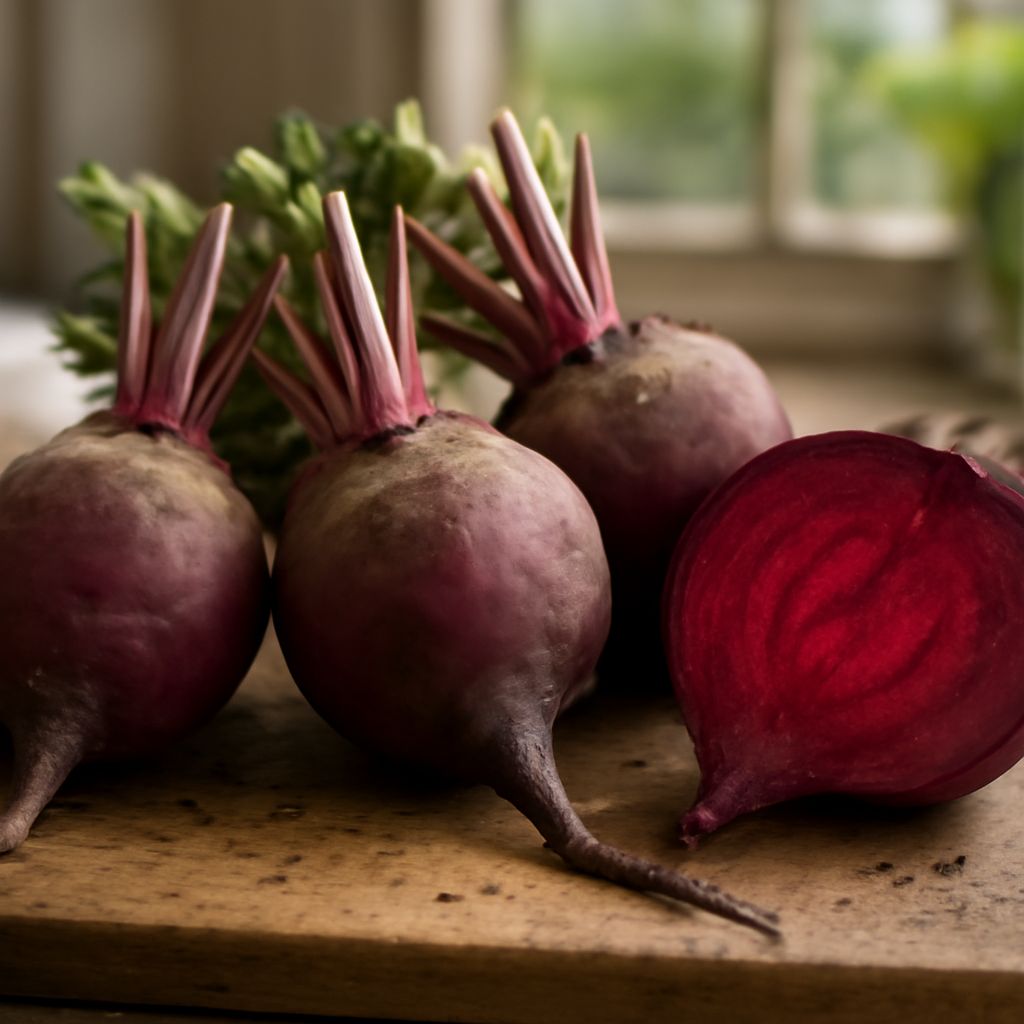
Beets are indeed packed with essential nutrients that can be beneficial to dogs. They provide a rich source of fiber, vitamins such as vitamin C, and minerals like potassium. These nutrients can contribute to the overall health of dogs, particularly supporting their digestive system and immune function.
However, moderation is key when introducing beets into a dog’s diet. Dogs should consume beets in controlled portions to avoid any adverse effects. Even though beets are nutritious, they should be regarded as a supplement to a balanced meal rather than a staple.
Can Dogs Eat Pickled Beets?
Feeding dogs pickled beets is not advisable. Unlike fresh beets, pickled varieties are soaked in a vinegar solution, often containing added salt and sugar. These additives can be harmful to dogs, potentially leading to a range of health issues from upset stomachs to more severe conditions like sodium poisoning.
Moreover, the acidic nature of vinegar can irritate a dog’s digestive tract, leading to discomfort and potential harm. Therefore, pet owners are encouraged to steer clear of pickled beets and opt for fresh alternatives when considering vegetables for their canine friends.
Are Beets Safe for Dogs?
Nutritional Benefits
Fresh beets offer several health benefits when served appropriately. The vitamins in beets can aid in boosting a dog’s immune system, while the fiber content supports digestive health. The natural antioxidants present in beets contribute to reducing inflammation and promoting overall wellness in dogs.
Possible Risks
Despite their benefits, beets can pose risks if not served correctly. Dogs with a predisposition to kidney issues should avoid beets due to their oxalate content, which can exacerbate stone formation. Additionally, excessive consumption may lead to digestive upset or stool discoloration.
It’s advisable for pet owners to consult a veterinarian before introducing beets into their dog’s diet, particularly if the dog has pre-existing health conditions. Veterinarians can provide tailored advice to ensure safe and beneficial feeding practices.
Bottom line: Beets can be a healthful addition to a dog’s diet when served fresh and in moderation. Avoid pickled beets due to potentially harmful additives. Consulting a veterinarian is recommended to tailor feeding practices to your dog’s unique health needs.