Why does your cat greet you with a chirp one minute and deliver a long meow the next? The sounds your cat makes can signal a greeting, a request, discomfort, or a need for space. The best clue is the whole scene: look at your cat’s posture, what just happened, and whether the sound is normal for that particular animal.
A relaxed cat calling beside an empty bowl presents a different puzzle from a crouched cat calling in the litter box. The first may be anticipating dinner; the second needs prompt attention to whether urine is passing.
Kitty Sounds and the Body Language Around Them
Start with ears, tail, and movement. A cat approaching with a raised tail and loose body may welcome company; one crouching with ears turned sideways or flattened may feel uncertain or threatened. VCA Animal Hospitals describes these visual cues alongside vocal communication. Look at the full body rather than treating one tail twitch as a verdict.
Think of cat noises as part of a conversation with several channels. Is the food bowl empty? Has a visitor just arrived? Is another cat blocking the hallway? Notice whether your pet approaches, pauses, retreats, or becomes still. Give the cat a choice about coming closer, and make sure it can reach food, water, a litter box, and a quiet resting place.
The same kitty sounds can have different causes in different homes. A brief note on your phone can help: record the time, the sound, nearby activity, and your cat’s response. Over a few days, you may discover a reliable greeting at the front door or a pattern that deserves a call to your veterinarian.
Meows: Greetings, Requests, and Something Wrong
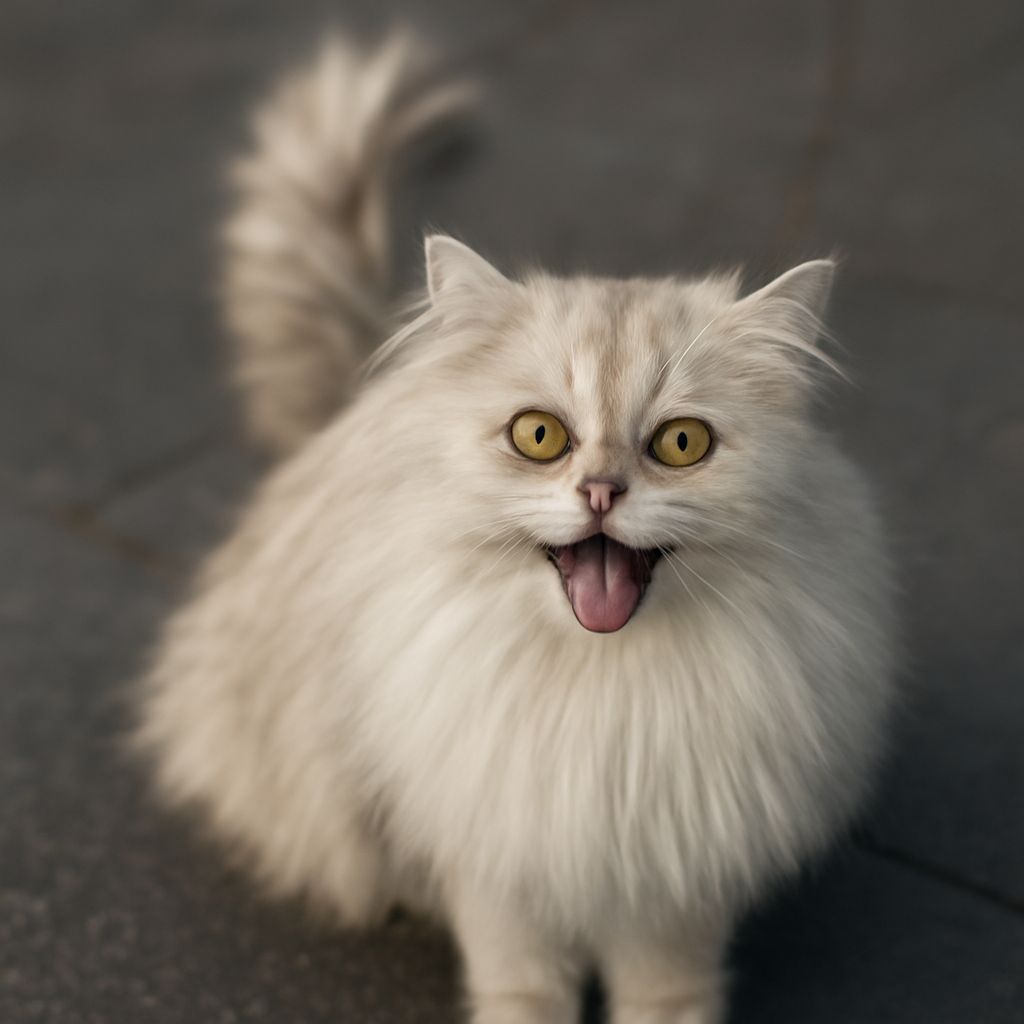
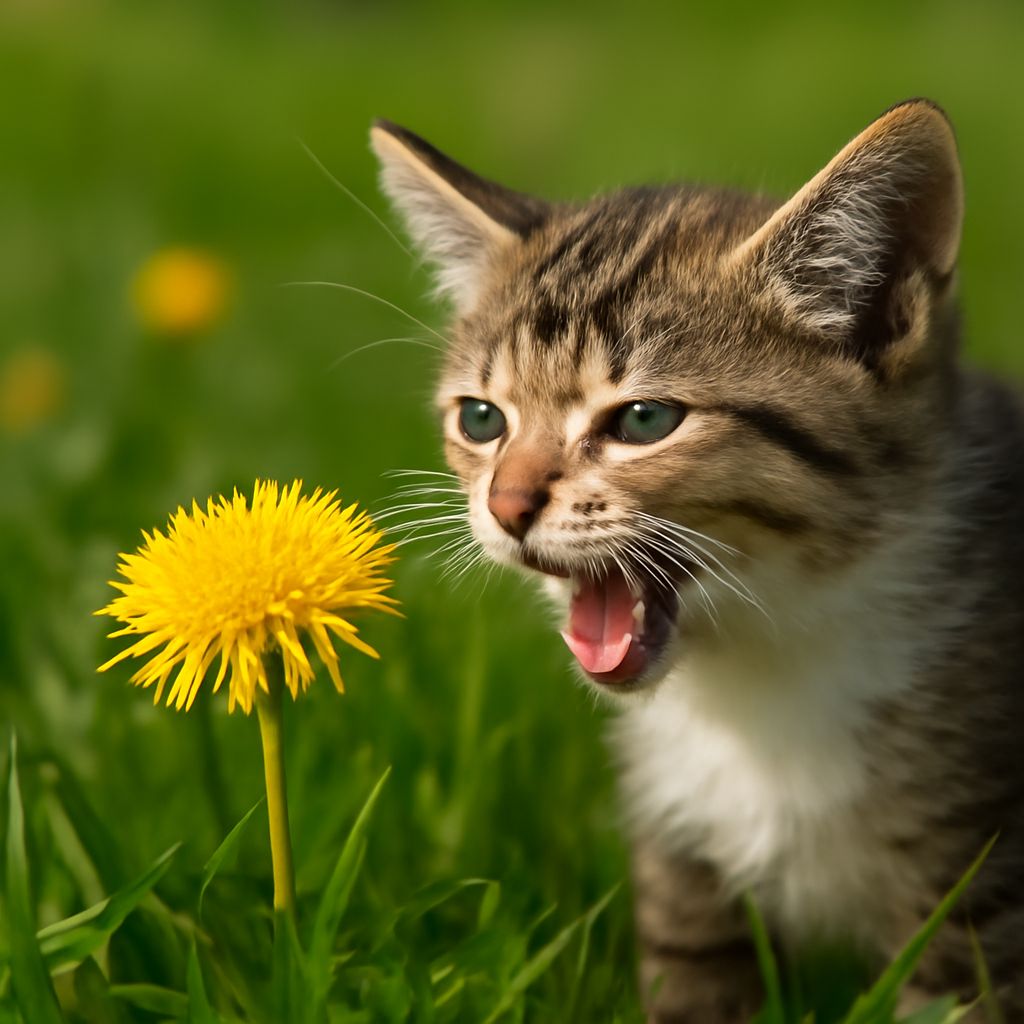
A cat meowing sound at the kitchen doorway may accompany a familiar request for dinner. A short meow when you arrive home may be a greeting. A cat calling from behind a closed door might simply need help getting out. Follow the circumstances before filling a bowl or assuming your pet wants a cuddle.
The ASPCA’s guide to meowing and yowling lists greetings, attention, food, and access to a room among common reasons cats vocalize. First meet a real need: open the accidentally closed door, refresh water, or offer a scheduled meal. If your cat seems to want interaction, try a short play session with a wand toy and let the cat decide when to stop.
Some cats are naturally more talkative than others. A quiet cat that suddenly begins calling frequently, or a familiar meow that becomes raspy, deserves more attention than a chatty cat’s usual breakfast announcement. Avoid scolding or spraying water; punishment can frighten the animal and does not explain what prompted the call.
Purring: Read the Rest of the Cat
A soft rumble from a cat resting loosely beside you can accompany a comfortable moment. If the cat leans in and stays nearby, gentle petting may be welcome. Pause after a few strokes: if your companion moves away or the body stiffens, give it a break. Purring is not a promise of unlimited lap time.
Cats can also purr when stressed or unwell. A purr in a veterinary carrier, for example, needs to be read alongside posture and other behavior. A cat that is hiding, eating less, or resisting touch despite purring may need a veterinary assessment. Look for a change from its normal habits rather than using the rumble as a health check.
Chirps and Trills: A Small Sound With Several Uses
A trill is a short, rolling call that may greet a person or another cat. Your companion may trot toward you with an upright tail and make a little rising sound. Answer quietly, offer a hand to sniff, and let the cat choose whether to make contact. VCA’s guide to cat sounds describes chirps and trills as sounds that can occur during friendly greetings or near food.
You may also hear rapid chirping or chattering when a cat watches birds through a window. Notice the fixed gaze and twitching tail: the bird may be the focus, even if you happen to be standing nearby. Give the cat a safe perch and, later, a toy to stalk and catch. There is no need to interrupt a peaceful window-watching session.
Hisses and Growls: Make Space
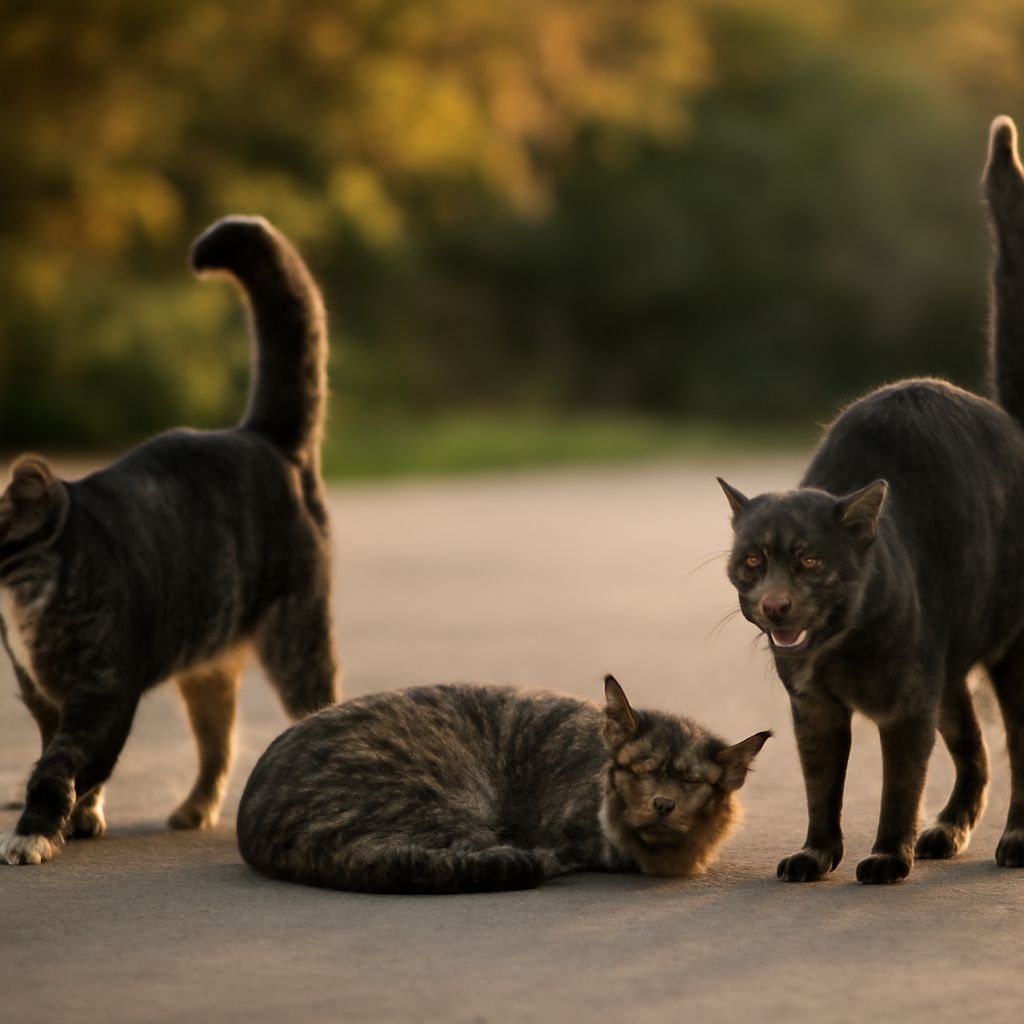
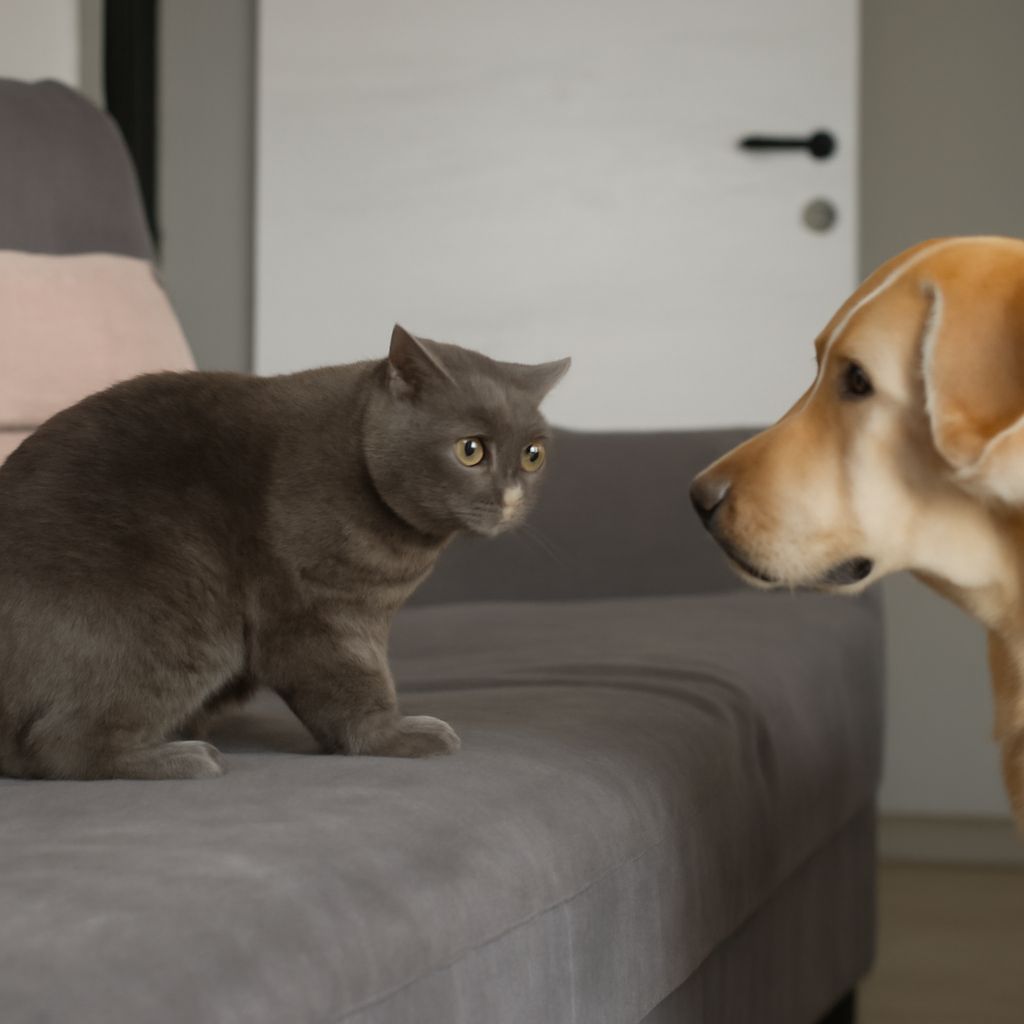
A hiss is a clear reason to pause. The cat may be frightened by a stranger, another pet, or an attempt to handle a sore area. Stop reaching, move back, and allow an escape route. If another animal is nearby, calmly create distance without putting your hands between animals that may fight.
For recurring tension at home, provide separate feeding areas, litter boxes, and resting places so one cat cannot easily block another’s access. The American Association of Feline Practitioners identifies hissing, prolonged staring, avoidance, and resource blocking as possible signs of intercat tension. Ask your veterinarian or a qualified behavior professional for help if the pattern continues.
Yowls and Changes That Need Attention
A yowl is generally longer and more drawn out than an ordinary meow. Kitty noises like this can occur when a cat is shut somewhere, unsettled by another animal, or seeking a mate. Find the immediate cause if you can: a cat trapped in a room needs the door opened, while a frightened cat needs a calm route away from the source of stress.
A new or persistent yowl can also accompany pain or illness. Contact your veterinarian if vocalizing changes along with reduced appetite, hiding, restlessness, unusual thirst, or altered litter-box habits. Older cats may call more when disoriented or experiencing hearing loss or medical problems; an examination helps sort out the cause.
Some kitty cat sounds call for immediate action. If your cat repeatedly strains to urinate and produces little or no urine, seek emergency veterinary care immediately. Cornell’s Feline Health Center explains that urinary obstruction is an emergency and can cause crying in the litter box. Do not wait to see whether the vocalizing stops.
Should You Record an Unusual Sound?
Yes. If it is safe to do so, make a short video showing the sound, your cat’s posture, and what is happening nearby. Share it with your veterinarian along with when the change began and any changes in eating, drinking, or litter-box use. A recording can preserve a behavior that may not happen during the appointment.