Determining whether your dog is expecting can be a perplexing task for many pet owners. There are common assumptions that lead people to believe certain behaviors or appearances are definitive indicators of canine pregnancy. However, these signs can often be misleading. Knowing how to tell if your dog is pregnant requires a combination of observing subtle behavioral changes and physical cues. By understanding these, you can ensure your pet receives the best care possible throughout the journey to motherhood.
Many pet owners ask, “How do I know if my dog is pregnant?” While some signs may be more obvious, others require a closer look. It is essential to pay attention to your dog’s health and lifestyle to accurately determine pregnancy. Let’s explore the key indicators and best practices.
What Are the Early Signs of Dog Pregnancy?
Recognizing early pregnancy symptoms in your dog can help you prepare for the upcoming changes. Within the first few weeks, some dogs may exhibit subtle signs. These can include a mild decrease in activity level, as your pet might feel more fatigued than usual. Some owners observe that their dog displays a slight loss of appetite, which is not uncommon in early pregnancy.
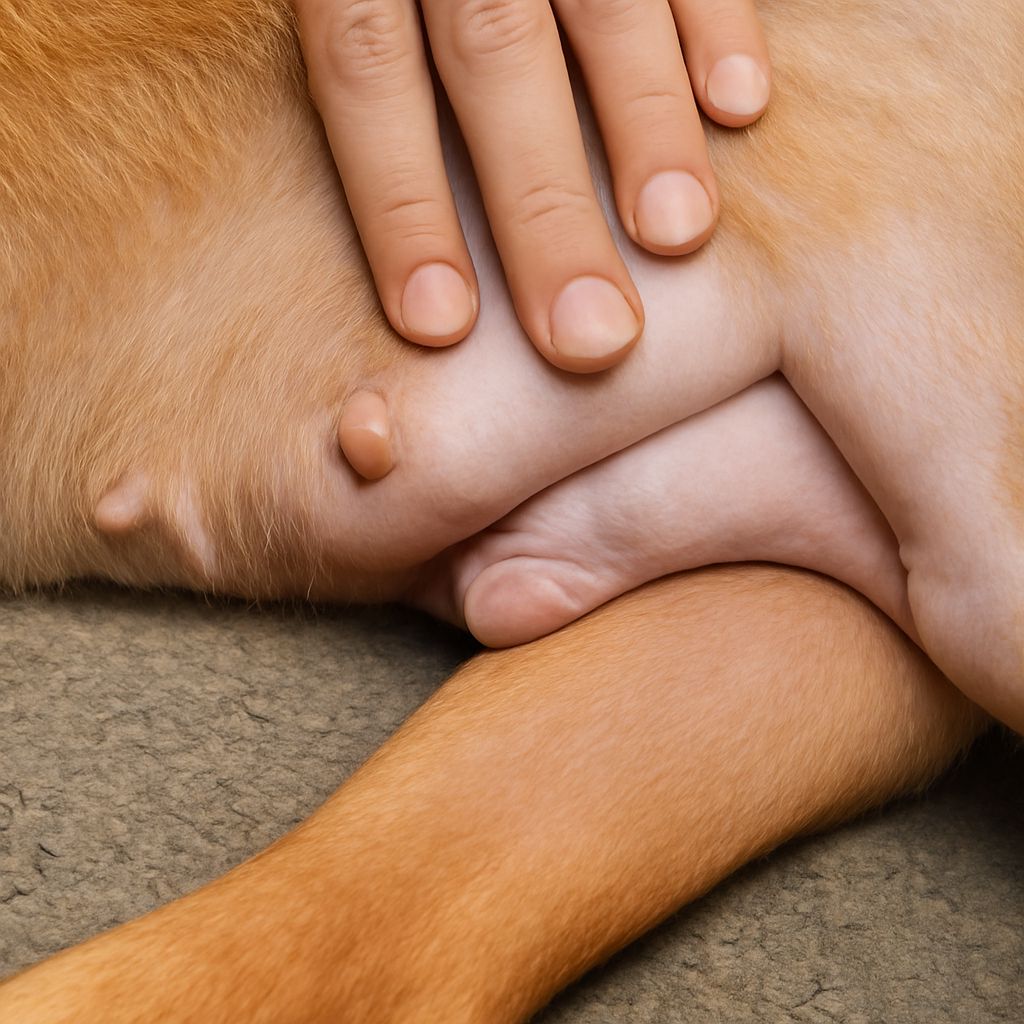
Another early indicator is changes in your dog’s nipples, which may become more prominent and slightly darker. If you notice these subtle signs, it could be time to consider whether your pet might be expecting puppies.
How Does Your Dog’s Behavior Change?
Pregnancy can lead to noticeable behavioral changes in your dog. Your furry friend might become more affectionate, seeking out extra attention and cuddles. Alternatively, some dogs may become more reserved, preferring solitude over interaction.
Changes in sleeping patterns are also typical. Dogs may need more rest, resulting in longer and more frequent naps. Understanding your pet’s behavioral shifts is crucial for providing the comfort and support she needs during this time.
What Physical Changes Indicate Pregnancy?
Physical transformations are often the most telling signs of your dog’s pregnancy. As the pregnancy progresses, you might notice a gradual weight gain. Your dog’s abdomen will start to swell, a clear indication that she may be carrying puppies.
Additionally, mammary development is a significant physical change. As pregnancy advances, your dog’s mammary glands will enlarge in preparation for feeding her future litter. Keeping an eye on these changes will help you gauge the pregnancy timeline and manage her health effectively.
When Should You Visit a Veterinarian?
While observing signs at home can provide useful insights, a veterinarian’s expertise is invaluable for confirming your dog’s pregnancy. It is recommended to consult a vet around three to four weeks after noticing initial symptoms. Veterinary professionals may perform ultrasound scans to determine pregnancy status and assess the health of the developing puppies.
Regular check-ups are essential to monitor your pet’s health and address any potential complications early on. Your vet can offer guidance on proper nutrition, exercise, and prenatal care tailored to your dog’s specific needs. These visits ensure both your dog and her puppies remain healthy throughout the gestation period.
Understanding how to know if a dog is pregnant involves a combination of observation and professional consultation. By being attentive to your dog’s signals and collaborating with a veterinarian, you can provide the best care for your expecting pet, ensuring a healthy and smooth pregnancy journey.