Many pet owners worry about the dreaded parvovirus, often surrounded by myths that can obscure the truth. Understanding how this virus affects dogs is critically important for their health. Parvo in dogs can be severe, but knowing how dogs get parvo is the first step in prevention. By dispelling common misconceptions and focusing on factual information, pet owners can better protect their furry companions.
Parvo is not just a random illness that affects only a few unlucky dogs. Recognizing the signs of parvo in a dog and knowing the ways to prevent it are essential to maintaining canine health. Let’s delve into the real facts behind this virus and learn how to guard your pet effectively.
What is Parvo and How Do Dogs Get It?
Parvovirus, commonly referred to as parvo, is a highly contagious viral infection that primarily affects puppies and young dogs. The virus targets rapidly dividing cells, which is why it severely impacts the gastrointestinal tract and sometimes the heart in very young pups. Dogs can contract parvo through direct contact with an infected dog or through indirect contact with contaminated objects or environments. The virus is known for its resilience in the environment, often persisting on surfaces for months.
The infection typically spreads through the feces of an infected dog. Even a small amount of fecal material can contain millions of viral particles, making it easy for the virus to transfer and infect other dogs. Therefore, maintaining cleanliness and avoiding contact with unknown dogs are crucial in preventing the spread of this virus.
Recognizing Parvo in Dogs: Symptoms and Signs
Recognizing the symptoms of parvo in a dog early can significantly increase the chances of recovery. Initial signs often include lethargy, a sudden loss of appetite, and fever. As the illness progresses, dogs may experience severe vomiting and bloody diarrhea, which can lead to rapid dehydration and further complications.
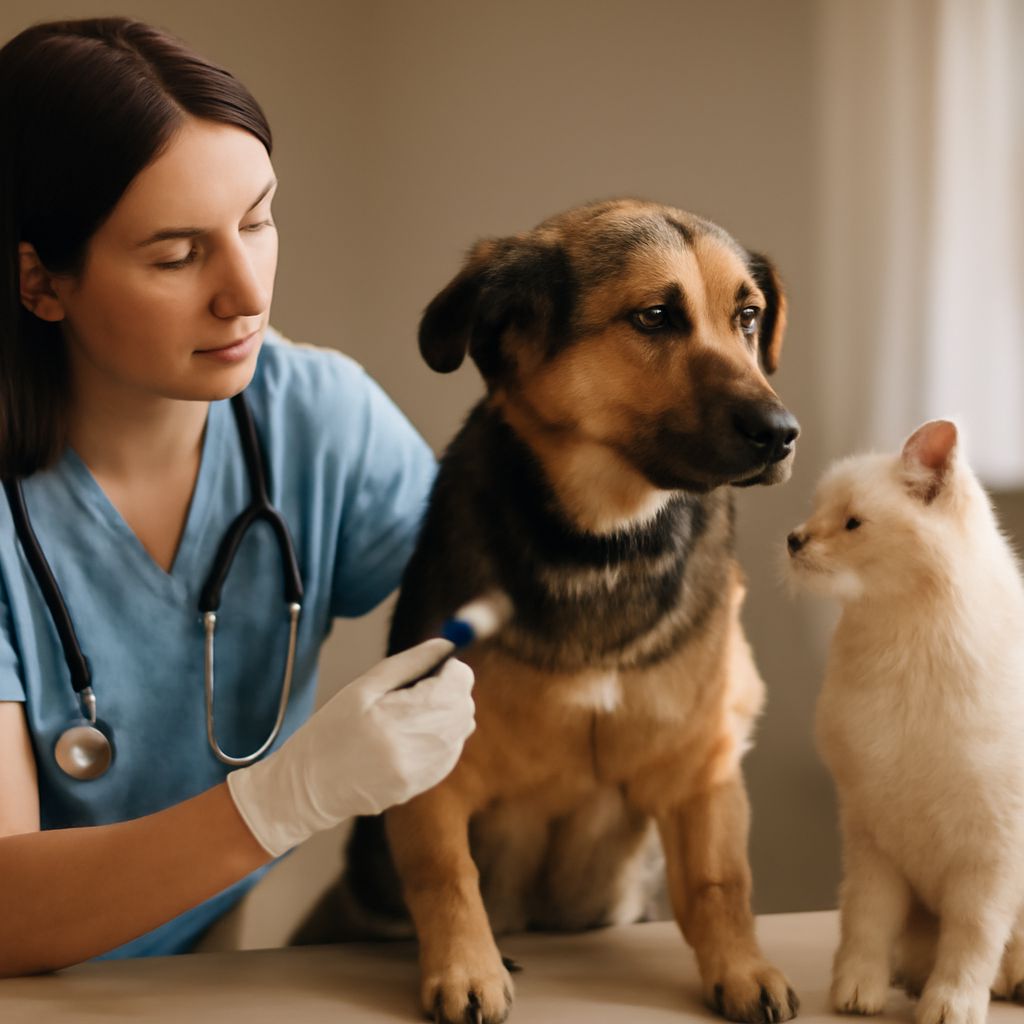
Due to the severity of these symptoms, immediate veterinary care is essential. The symptoms of parvo can escalate quickly, and without prompt treatment, the condition can become life-threatening. Veterinary professionals can provide supportive care, such as fluid therapy and medication to manage symptoms, increasing the likelihood of a positive outcome.
Preventing Parvo: How Dogs Contract It
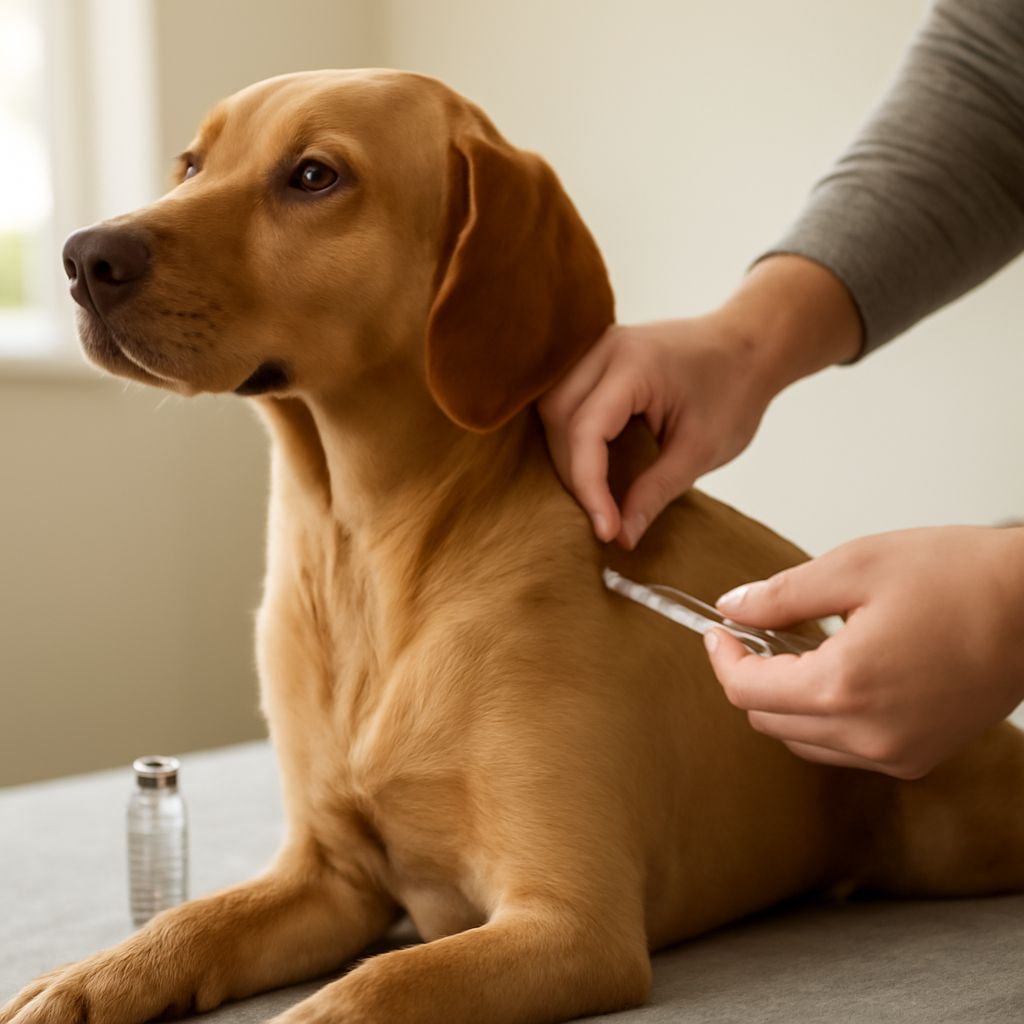
Understanding how dogs can get parvo is integral to prevention. Vaccination is the most effective way to prevent parvo. Puppies should begin their vaccination series at a young age, with boosters administered as recommended by a veterinarian. This helps build immunity against the virus.
In addition to vaccinations, maintaining a clean environment is key. Regularly disinfecting spaces where dogs eat, sleep, and play can reduce the risk of virus transmission. It is also wise to avoid areas where many dogs congregate, especially if your dog is not fully vaccinated.
Socialization is important, but it should be done cautiously and safely. Introducing puppies to other, fully vaccinated dogs in controlled environments can help minimize the risk of exposure to the virus. Always consult a veterinarian about the best practices for socializing your puppy safely.
Key takeaways: Parvo is a serious threat, but understanding how dogs contract parvo can help in prevention. Recognizing the signs of parvo in a dog early and seeking immediate veterinary care can save lives. Regular vaccination and maintaining a clean environment are essential in protecting dogs against this virus.