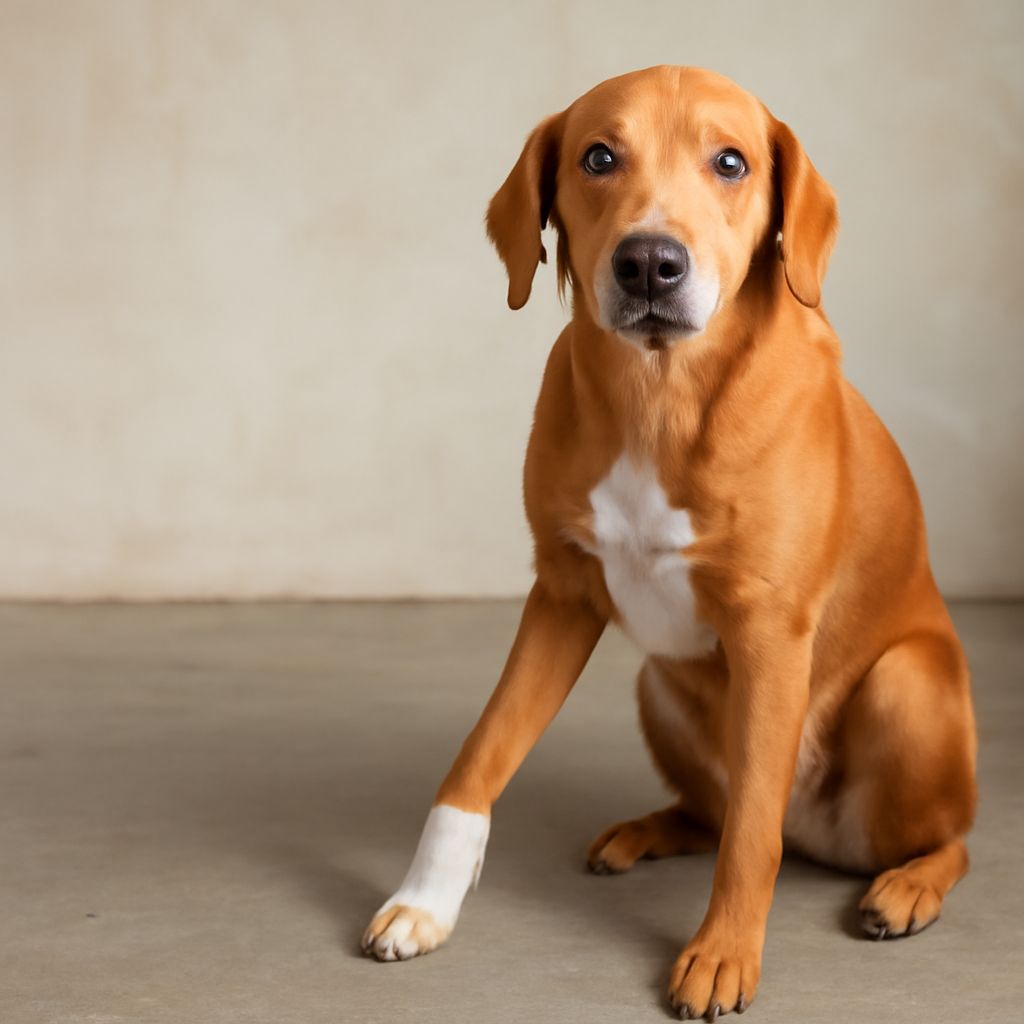
The image of a robust dog trotting through the park can quickly be shattered when your dog suddenly appears to limp, hinting at a possible paw pad injury. Many pet owners believe that unless there’s visible blood, the situation isn’t serious. However, even a dog cut paw pad with no blood could signify underlying issues. A dog hurt paw can have long-term repercussions if not addressed promptly. Understanding the symptoms and causes of such injuries is essential for effective care.
Some might think that a dog ripped paw pad is an infrequent occurrence or only happens to overly active breeds. In reality, any dog, regardless of its activity level, can suffer from a paw pad injury. This misconception can lead to delayed treatment and potentially more severe complications. Learning how to identify and treat these injuries is crucial for any responsible pet owner.
What Causes a Dog Paw Pad Injury?
Paw pad injuries in dogs can result from various factors. Environmental hazards like sharp rocks, broken glass, or hot pavement are common culprits. Dogs who frequently walk on rough surfaces are particularly at risk. Additionally, vigorous activities that involve running or jumping can lead to a dog ripped paw pad, especially if their pads are not accustomed to such strain.
Other causes include chemical burns from de-icing salts or fertilizers, which can irritate and damage a dog’s sensitive paw pads. It’s also possible for infections to develop from minor cuts, exacerbating the injury. Keeping an eye on where your dog walks and plays can help minimize these risks.
How to Recognize a Dog Ripped Paw Pad
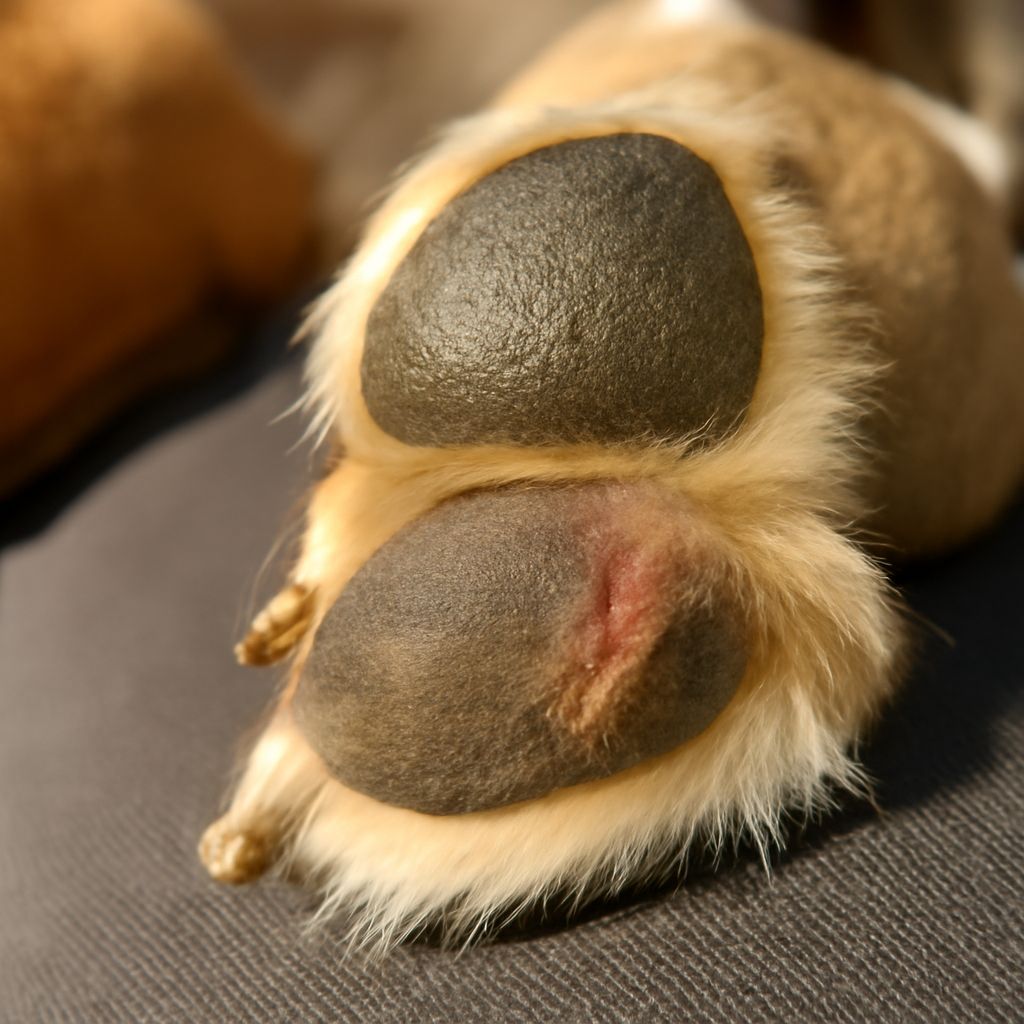
Identifying a dog ripped paw pad isn’t always straightforward. Signs include limping, licking the affected paw excessively, or reluctance to walk. Upon closer inspection, you might notice a tear or a flap of the pad hanging loosely. In some cases, there might be swelling or redness even if there’s no blood.
Dogs might also display behavioral changes such as irritability or lethargy. A dog hurt paw should be examined promptly to prevent further injury or infection. Regularly checking your dog’s paws, especially after outdoor activities, can aid in early detection.
What to Do If Your Dog Hurt Paw
First Aid Tips
Immediate action is crucial if you discover your dog has an injured paw. Start by gently cleaning the area with mild soap and water to remove debris. Pat the paw dry and apply an antiseptic to prevent infection. Bandaging the paw can protect it from further damage, but ensure it’s not too tight as this can restrict circulation.
When to See a Vet
If the injury appears severe, such as an extensive tear or persistent bleeding, seek veterinary care immediately. A vet’s expertise is crucial if there’s a risk of infection or if the dog cut paw pad with no blood doesn’t heal within a few days. Professional treatment might include sutures or antibiotics to promote proper healing.
Caring for a Dog Cut Paw Pad with No Blood
Even if there’s no blood, a cut paw pad requires careful monitoring. Keep the paw clean and dry, changing bandages regularly to ensure hygiene. Restrict your dog’s activity to allow the pad time to heal, avoiding walks on hard surfaces or in extreme temperatures.
Applying a paw balm can help maintain moisture in the pad, promoting faster healing. If signs of infection appear, such as increased swelling or discharge, consult your veterinarian for further advice. Consistent care is key to ensuring your dog can return to its daily activities without discomfort.