Seeing your beloved dog bleeding from its mouth can be an alarming experience, leaving many pet owners scrambling for solutions. This phenomenon isn’t always indicative of a severe health issue, but understanding the causes and knowing how to act is crucial. While the sight of your dog gums bleeding might conjure fears of immediate danger, it’s essential to approach the situation calmly and methodically.
Today’s veterinarians are equipped with advanced knowledge to diagnose and treat these occurrences, but there are also effective dog bleeding gums home treatment options available that can help manage minor cases. Before jumping to conclusions, let’s delve into the reasons behind why a dog might be bleeding from its mouth and explore practical steps to address it.
Why Is My Dog Bleeding from Its Mouth?
There are several reasons why dogs may experience bleeding from their mouths. One common cause is oral injuries, often resulting from sharp objects like bones or sticks that they might chew. These injuries can lead to cuts or abrasions on the gums, causing them to bleed. Additionally, more serious conditions like oral tumors or dental diseases can also lead to dog mouth bleeding. It’s essential to observe your dog’s behavior closely as any unusual activity or discomfort could indicate an underlying issue.
Common Causes of Dog Gums Bleeding
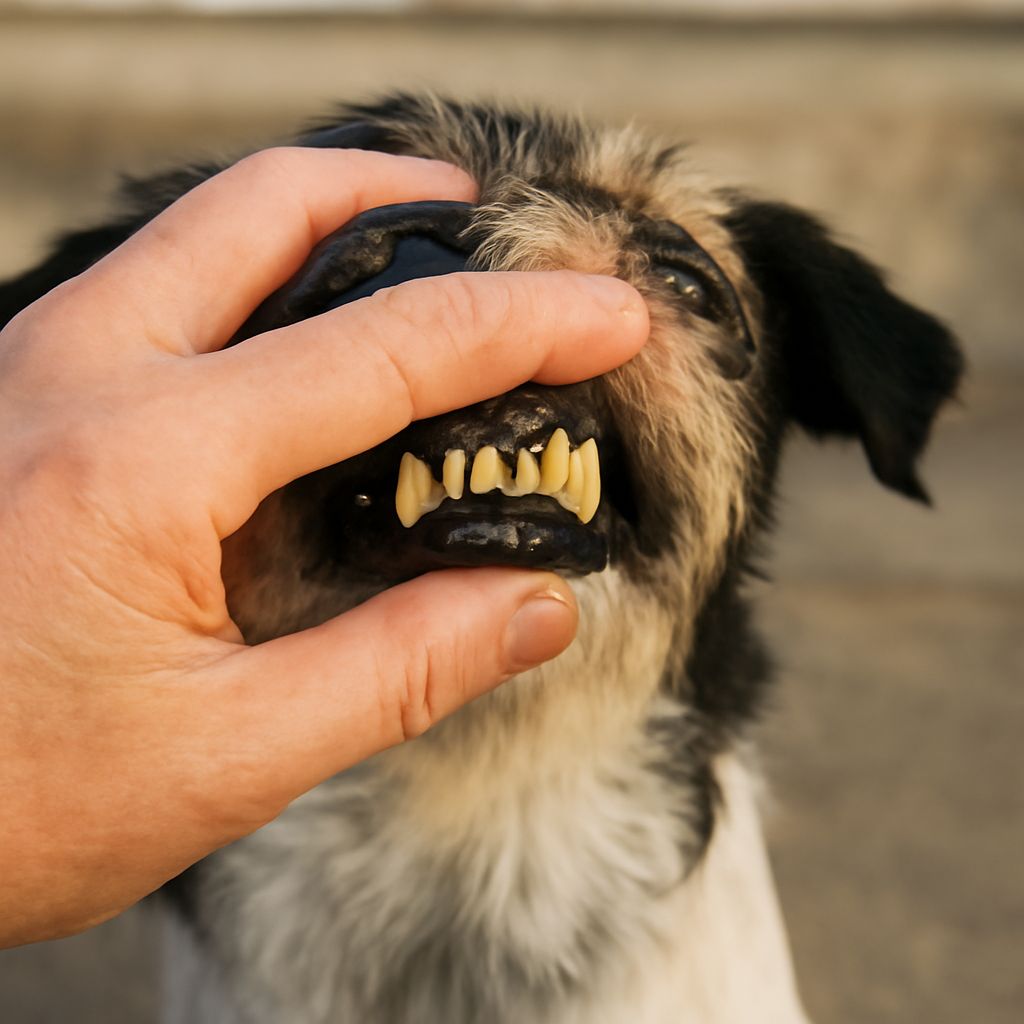
Dog gums bleeding can arise from various conditions. Dental problems are a leading factor, with periodontal disease being prevalent among older dogs. This disease results from plaque buildup, which can inflame the gums and cause them to bleed. Another potential cause is foreign objects lodged in the oral cavity, which can irritate the gums. If a dog frequently plays with hard toys or chews on unfamiliar items, this can increase the risk of gum injuries.
Other causes include infections or abscesses within the mouth, which might not be immediately visible but could manifest as bleeding. In some cases, bleeding from the mouth could indicate systemic health issues like clotting disorders, necessitating a visit to the vet for a comprehensive blood test.
How to Handle Dog Mouth Bleeding at Home
When managing dog mouth bleeding, assessing the situation is the first step. If the bleeding is minor and seems to stem from a small cut or abrasion, a gentle rinse with saline can help cleanse the area and reduce the risk of infection. This can be part of effective dog bleeding gums home treatment protocols, provided the injury is superficial. It’s crucial to ensure your dog remains calm during this process to prevent further distress.
If you suspect that the bleeding is due to gum disease, incorporating a regular dental care routine can significantly mitigate future occurrences. Specially formulated dog toothbrushes and pastes should be used to improve oral health over time. However, should the bleeding persist or if you notice signs of severe pain or swelling, consulting a veterinarian is imperative. They can provide more specialized care and recommend treatments tailored to your dog’s specific needs.
In cases where foreign objects are involved, carefully inspect your dog’s mouth. If you can safely remove the item without causing more harm, do so cautiously. Otherwise, seek professional assistance to prevent exacerbating the situation. Remember, any attempt to self-diagnose without proper expertise can lead to further complications, highlighting the importance of professional consultation in severe cases.