In the realm of canine care, misconceptions about bite suits and tick prevention often lead to inadequate dog health management. Many believe that dog bite sleeves are only for aggressive breeds, but they are essential for training all dogs, helping to manage behavior and reinforce safety. Equally misunderstood is the treatment of tick bites, which is crucial to prevent canine diseases. Understanding the nuances of dog tick bites, including the size and life cycle of dog tick nymphs, is indispensable for effective tick prevention and treatment.
Effective dog bite prevention and tick management are not just about responding to incidents but about proactive health strategies. Professionals use these tools in training and healthcare to ensure the safety and well-being of dogs and handlers alike. This article explores the critical elements of dog bite suits and the essential knowledge needed for managing tick bites in dogs.
What is a Dog Bite Suit and Why is it Important?
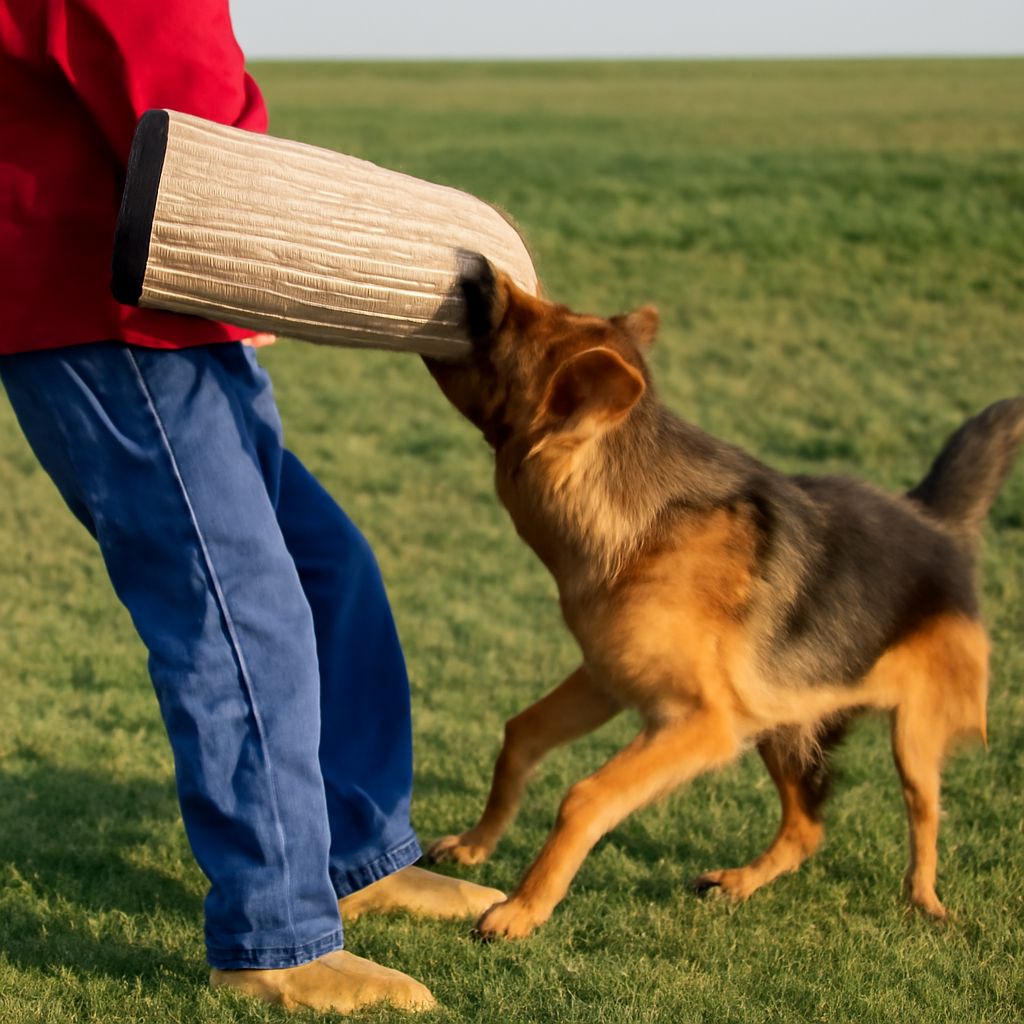
A dog bite suit is essential protective gear designed for training dogs in various scenarios. These suits are crucial in helping handlers build trust and establish control over their dogs. By wearing a bite suit, trainers can safely teach dogs how to respond appropriately to different stimuli, reducing the risk of injury during training sessions. The suit enables a realistic and controlled environment where dogs can learn not to bite or attack unless necessary.
Bite suits are not exclusive to any breed; they are versatile tools for all dogs undergoing obedience and protection training. Investing in a high-quality dog bite suit can ensure comprehensive protection for trainers and effective learning experiences for dogs.
How to Choose the Right Dog Bite Sleeve
Selecting the appropriate dog bite sleeve is crucial for effective training. A well-chosen sleeve should match the dog’s size and strength, providing the right level of resistance and flexibility. Various sleeves cater to different training needs, from beginner levels to advanced protection work. When choosing, consider factors such as material durability, comfort, and the specific training objectives.
Consulting a professional can be beneficial, especially when selecting a sleeve for specialized training purposes. By ensuring the sleeve is both safe and effective, trainers can optimize the learning process and protect their arms from potential bites during training.
What You Need to Know About Dog Tick Bite Treatment
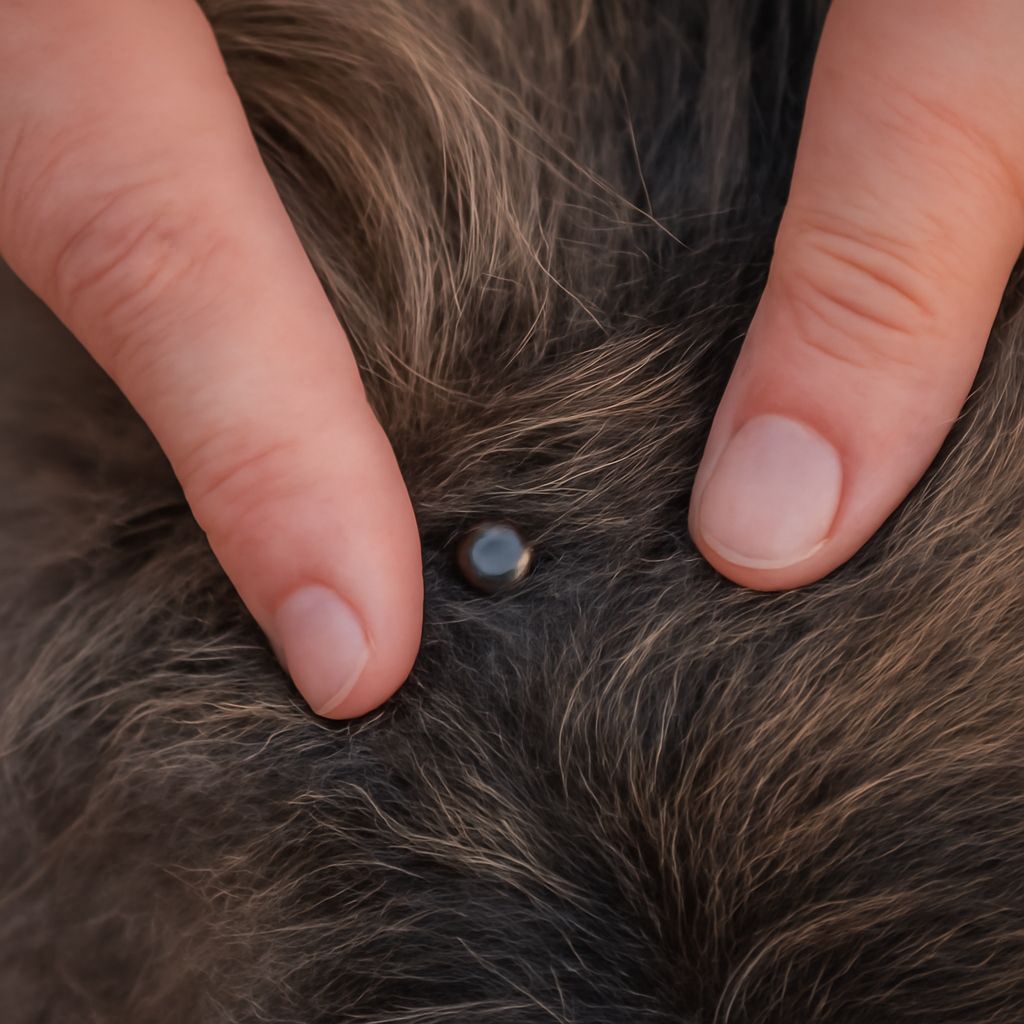
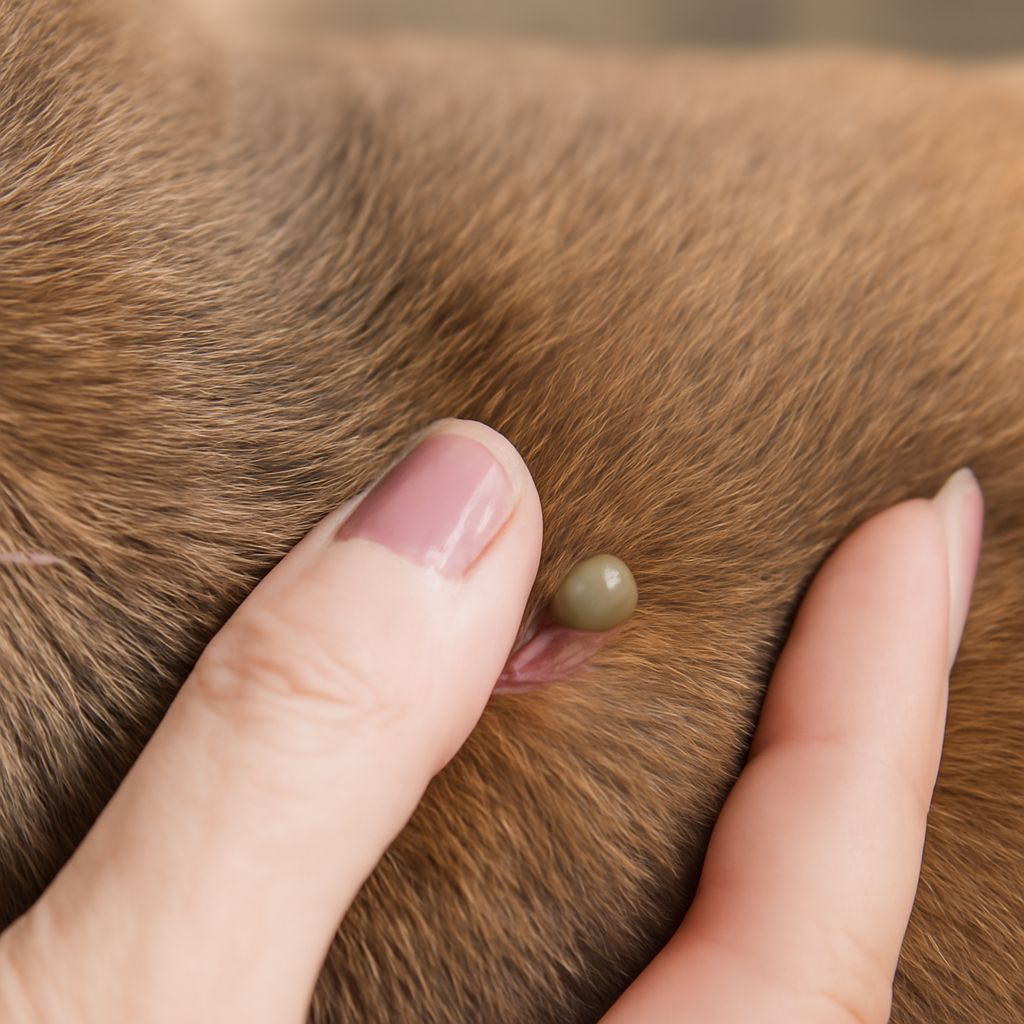
Addressing a dog tick bite promptly is critical to preventing tick-borne diseases. Early detection and treatment can significantly reduce health risks associated with ticks. Begin by removing the tick with fine-tipped tweezers, ensuring that the entire tick, including its head, is removed. Clean the bite area with antiseptic to prevent infection. Monitor your dog for any signs of illness, such as lethargy or changes in appetite, and consult a veterinarian if symptoms develop.
Preventive measures are equally important in tick management. Using tick preventatives recommended by veterinarians can significantly reduce the chances of tick infestations. Regular grooming and thorough checks after outdoor activities are essential practices to keep your dog tick-free.
Understanding Dog Tick Nymphs and Their Size
Dog tick nymphs, the juvenile stage of ticks, are notoriously small and can go unnoticed due to their size. Despite their diminutive stature, they can carry pathogens responsible for serious diseases. Understanding the life cycle of ticks, including their nymph stage, aids in better prevention and detection strategies.
Regularly checking your dog for ticks, especially in hidden areas like between toes and around the ears, is crucial. The small size of tick nymphs makes them easy to miss, emphasizing the need for thorough inspections. Using a fine comb during grooming sessions can help in identifying these tiny parasites early, thus preventing them from maturing and causing harm.
By comprehensively understanding and implementing bite suits and tick prevention measures, dog owners and trainers can ensure their dogs remain healthy and well-trained. Proactive care and informed choices are the foundation of effective canine health management.