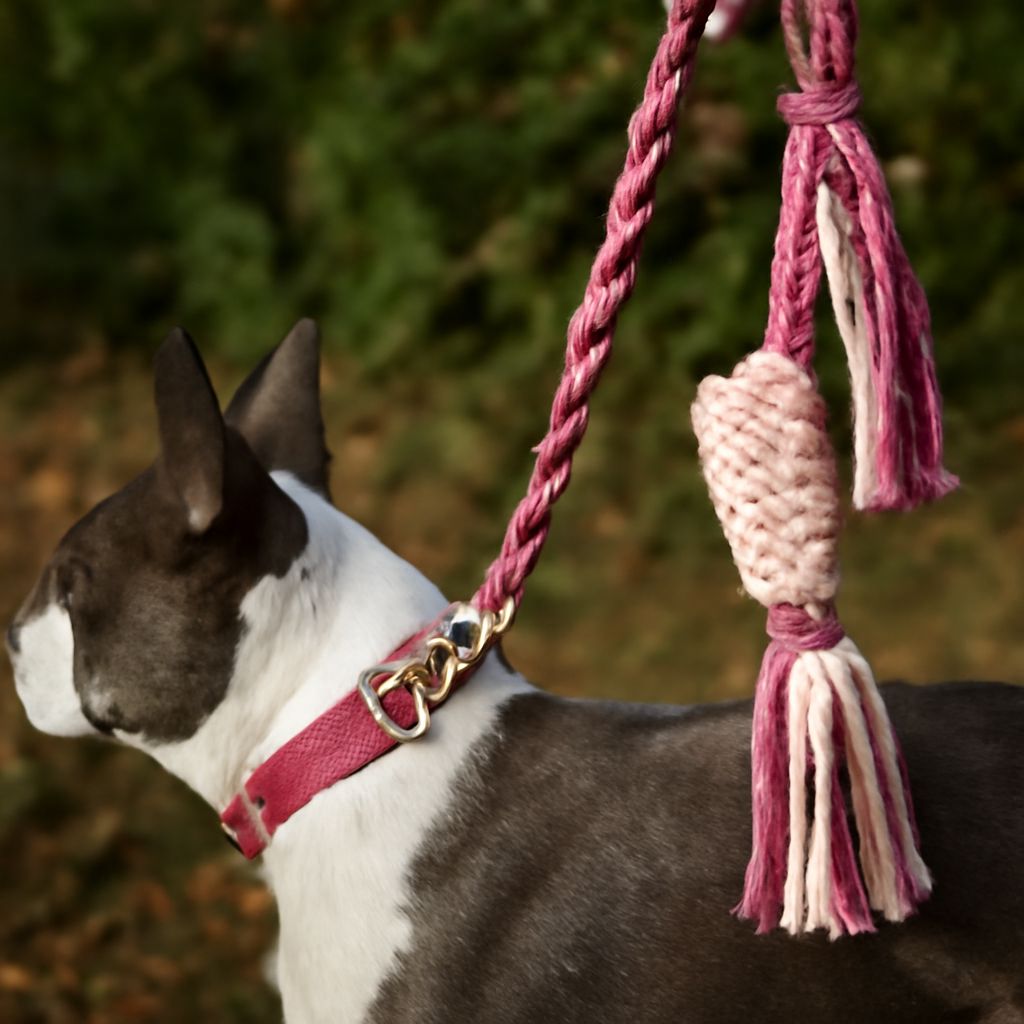
Many dog owners face the persistent challenge of excessive barking. It’s easy to assume that your dog’s unending vocalizations are simply a part of their personality. However, understanding the real reasons behind this behavior can illuminate effective solutions. If you find yourself frequently thinking, “My dog won’t stop barking,” you’re not alone. This common issue can often be resolved with the right approach and understanding.
Often, owners believe that when a dog will not stop barking, it reflects poor training or stubbornness. On the contrary, excessive barking can be a sign of underlying issues that, once identified, can be addressed with tailored strategies. By exploring the reasons and triggers for this behavior, you can help your dog learn to communicate more calmly and effectively.
Why Does My Dog Won’t Stop Barking?
Excessive barking can stem from various reasons, each requiring a different approach. Some dogs bark due to anxiety, while others may be reacting to boredom or a need for attention. When a dog will not stop barking, it’s crucial to assess their environment and daily routine to identify potential stressors or unmet needs.
Understanding your dog’s specific triggers is the first step in resolving their vocal habits. Observing the timing, frequency, and context of their barking can provide valuable insights into what’s causing their distress.
Common Triggers for Excessive Barking
Dogs may bark excessively for numerous reasons. Common triggers include environmental changes, such as a new pet in the home, or social triggers, like unfamiliar visitors. Dogs are also sensitive to noises, which can lead to barking in response to loud sounds, thunder, or fireworks.
Another frequent cause is a lack of exercise or mental stimulation. Dogs need regular physical activity and engagement to prevent boredom, which can manifest as incessant barking. Identifying these triggers can help in tailoring effective solutions.
Effective Training Techniques to Reduce Barking
Using Positive Reinforcement
Positive reinforcement is a powerful tool in addressing excessive barking. Rewarding your dog for quiet behavior can encourage them to maintain it. Consistently using treats or praise when your dog stops barking helps reinforce the desired behavior.
Establishing a Consistent Routine
A consistent daily routine can significantly reduce barking. Dogs thrive on predictability, and knowing when they will eat, go for walks, or play can decrease anxiety-related barking. Regular exercise and playtime can also alleviate boredom, another common barking trigger.
Addressing Anxiety and Boredom
When excessive barking is rooted in anxiety or boredom, addressing these emotions is crucial. Providing your dog with toys that challenge their mind or incorporating new exercises into their routine can reduce their inclination to bark. If your dog continues to experience anxiety, consider consulting a professional for more targeted strategies.
When to Seek Professional Help
While many barking issues can be managed at home, there are times when professional intervention is necessary. If your dog continues to bark excessively despite trying various techniques, it may be time to consult a professional dog trainer or a veterinarian. Persistent barking can sometimes be a sign of deeper behavioral or health issues that require expert attention.
By understanding why your dog barks excessively and applying the right techniques, you can foster a quieter, more peaceful environment for both you and your pet. Always remain patient and consistent in your efforts, and consider professional guidance when needed to ensure your dog’s well-being.