When it comes to exotic pets, many are enchanted by the idea of owning a snowy owl or the captivating lion dog Chinese breed. However, myths abound about the feasibility and ethics of keeping such unique creatures as companions. Popularized by various media, snowy owl pets are often imagined as easily accessible and low-maintenance. In reality, caring for a pet snowy owl involves a significant commitment and responsibility. Similarly, the Chinese lion dog, often referred to with fascinating dog titles, is not just a decorative accessory but a living being with specific needs and a rich history.
Before acquiring a snowy owl or a China lion dog, it’s essential to dispel these myths and understand the true nature of these extraordinary animals. This guide explores the requirements, care, and cultural significance of these exotic companions.
Can You Keep a Snowy Owl as a Pet?
Owning a snowy owl as a pet is a complex undertaking. These magnificent birds are protected by laws in many countries, making it illegal to keep them without proper permits. Their status as wild animals means they require an environment that mimics their natural habitat. Providing adequate space, diet, and enrichment is crucial to their well-being. Enthusiasts must consider these factors and acknowledge that a snowy owl’s care is far more intricate than that of traditional pets.
Due to the complicated legal and ethical considerations, those interested in snowy owls might opt to support conservation efforts instead. Engaging with wildlife organizations can offer a way to appreciate these birds without the challenges of direct ownership.
What Is a Lion Dog Chinese Breed?
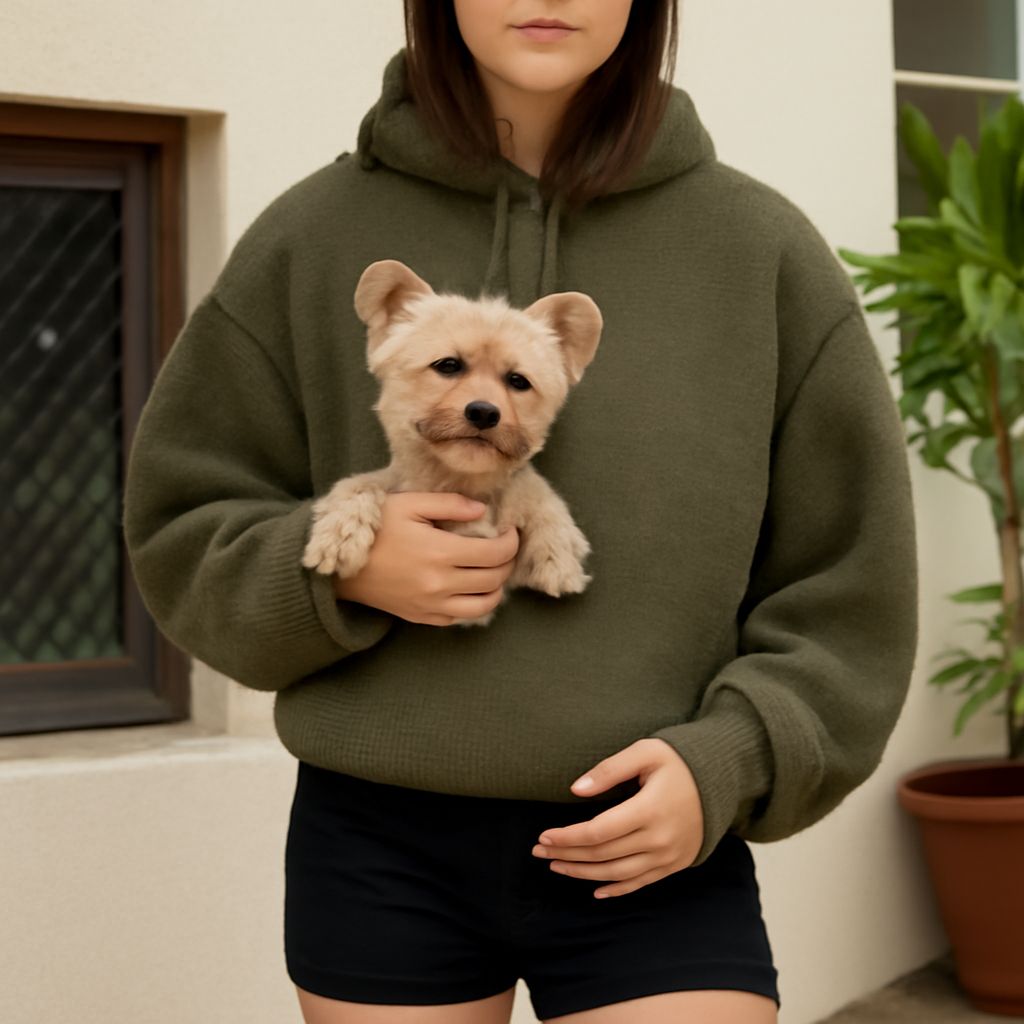
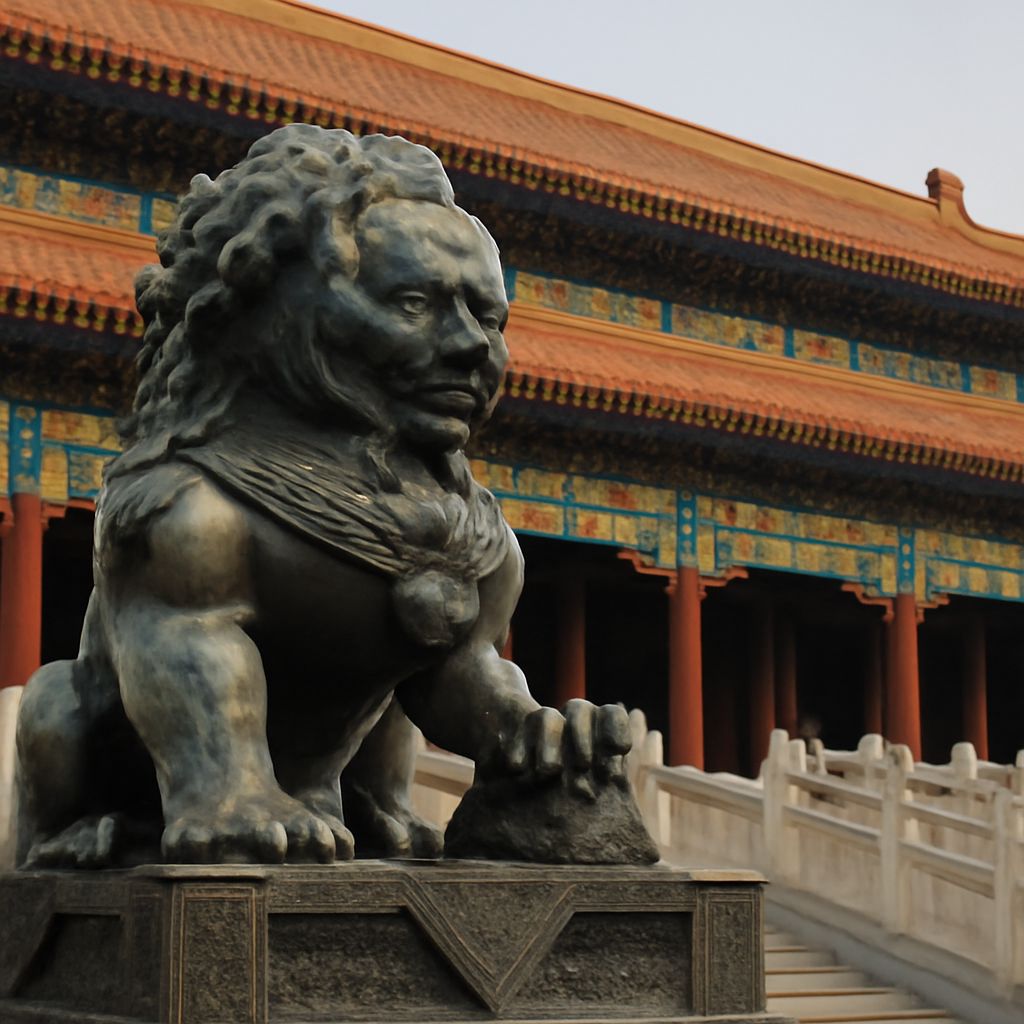
The lion dog Chinese breed, commonly known as the Shih Tzu or Pekingese, is a beloved companion with a storied past. These dogs were historically cherished by Chinese royalty and bred to resemble the symbolic lion, a creature of strength and nobility. Their elegant appearance and regal bearing have captivated dog enthusiasts worldwide.
While they may seem like low-maintenance pets, lion dogs require attentive grooming and care. Their long coats need regular brushing to prevent matting, and their eyes and ears must be kept clean to avoid infections. Understanding the specific needs of the Chinese lion dog is essential for maintaining their health and happiness.
Fascinating Dog Titles for Your China Lion Dog
Historical Titles
Throughout history, the lion dog has been adorned with titles that reflect its esteemed status. Names such as “Imperial Guardian” highlight their role as protectors and companions to emperors. “Palace Jewel” is another traditional title that emphasizes their value and beauty.
Modern Titles
In contemporary times, owners continue the tradition of bestowing meaningful names upon their China lion dogs. “Heritage Hound” can signify their rich lineage, while “Silk Emissary” celebrates their luxurious coats. These titles serve not only as identifiers but as tributes to the breed’s enduring legacy.
Understanding Pet Snowy Owls and Their Care
To properly care for a pet snowy owl, owners must be prepared to meet their high-maintenance needs. This includes a diet rich in whole prey, such as rodents, and an environment that allows for flight and mental stimulation. Unlike typical pets, snowy owls cannot thrive on processed foods or in confined spaces.
Regular consultation with a licensed avian veterinarian is necessary to ensure the health of a snowy owl. Specialized care, such as complex color correction in plumage or addressing severe damage from illness or injury, must be performed by professionals. Engaging with an expert community can provide valuable insights and support for managing these exotic pets.
Ultimately, the decision to own a snowy owl or a China lion dog should be made with careful consideration. These animals require a deep commitment to their care and understanding of their unique traits. By approaching pet ownership with knowledge and respect, exotic pet enthusiasts can enjoy a rewarding relationship with their extraordinary companions.