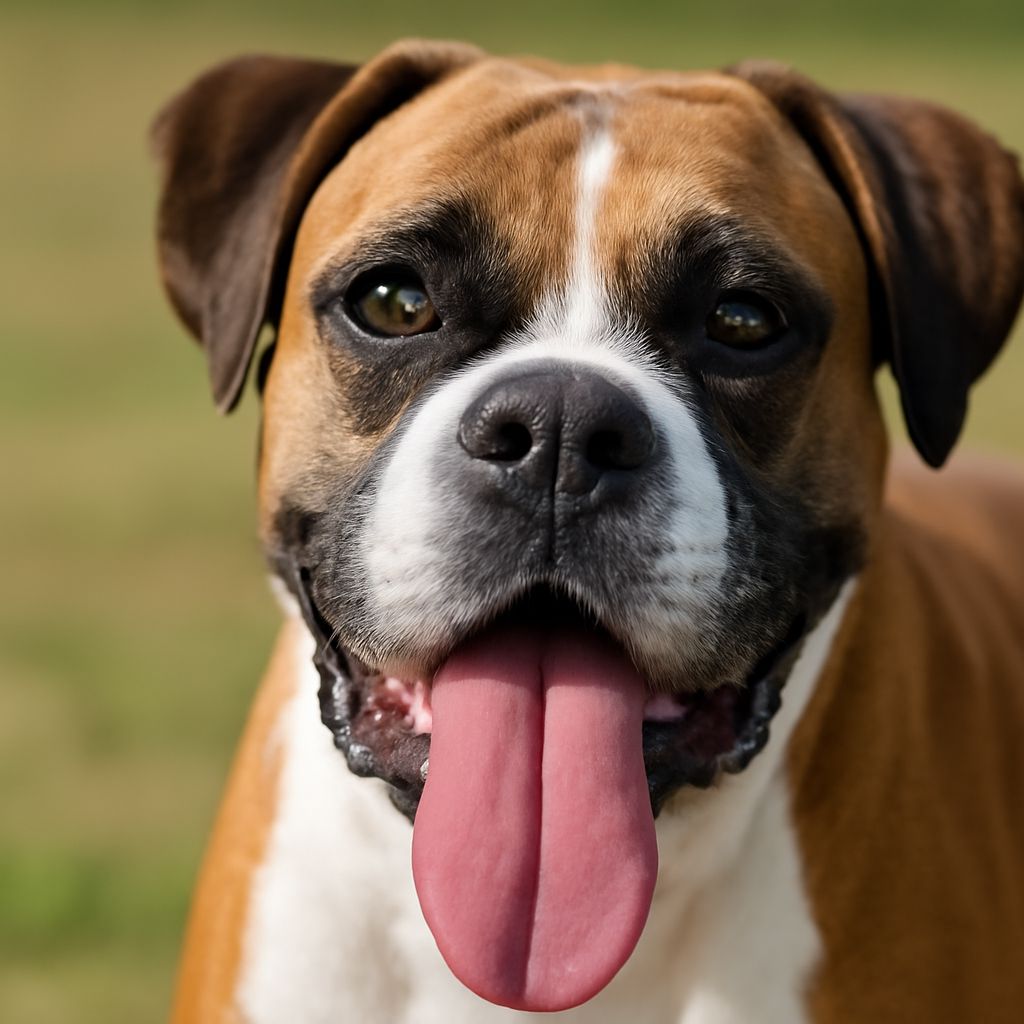
It’s a common sight for dog owners to see their pets panting after a vigorous play session or a walk in the summer sun. Yet, when panting is combined with shaking, things can become worrisome. The Internet is rife with suggestions, but not all of them are reliable. Let’s uncover the truth about what it means when a dog is panting and shaking, including scenarios like when your dog can’t stand up and is shaking or is dog lethargic and shaking at night.
Understanding these signs is crucial for any pet parent. While some causes are benign, others could signal a more serious health issue. It’s essential to know when these symptoms require immediate attention and what steps to take if your dog is in distress.
Why is My Dog Panting and Shaking?
When a dog is panting and shaking simultaneously, it could indicate a range of issues from anxiety to a more serious medical condition. Dogs, much like humans, can exhibit physical symptoms as a result of stress or excitement. However, these signs could also point to something as severe as an underlying illness or pain.
Common Causes of Shaking and Panting in Dogs
Anxiety and Stress
Many dogs experience episodes of panting and shaking when they are anxious. This could be due to changes in their environment, loud noises, or separation from their owners. Recognizing triggers can help manage a dog’s stress levels.
Heatstroke
On hot days, heatstroke is a real threat to dogs, especially those with thick fur. Panting is a primary way dogs regulate heat, but when paired with shaking, it might indicate their body temperature is dangerously high. Immediate cooling and hydration are crucial.
Pain or Injury
Panting and trembling may occur if a dog is in pain or has sustained an injury. This requires careful observation and potentially a visit to a veterinarian to diagnose and treat the source of discomfort.
Illness
Various illnesses, such as infections or chronic conditions, can lead to symptoms of shaking and panting. In these cases, a veterinary assessment is necessary to identify the illness and begin appropriate treatment.
When to Worry About a Dog Shaking and Panting at Night
If your dog is shaking and panting at night, it may be due to a condition that requires attention. Persistent symptoms after activity has ceased suggest that more than just excitement or heat is at play. Consulting a vet is essential if these signs are recurring or severe, indicating something like a metabolic disorder or a cardiac issue.
What to Do if Your Dog Can’t Stand Up and is Shaking
If your dog can’t stand up and is shaking, it signals a potentially serious situation. It could be a sign of a neurological problem, severe injury, or critical illness. Immediate veterinary care is recommended to determine the cause and begin necessary treatment.
How to Help a Dog that is Panting and Shaking
To assist a dog that is panting and shaking, ensure they are in a calm environment. Reduce stressors and offer comfort. Cool the dog down if they might be overheated, and ensure they have access to water. If symptoms persist, a veterinarian should perform a full evaluation to rule out significant health concerns.
Bottom line: When a dog is panting and shaking, understanding the context and potential causes is vital. While some situations are benign, others could require immediate medical intervention. Always consult a licensed veterinarian if the symptoms are severe or persistent to ensure your pet receives appropriate care.