Many pet owners believe that homemade dog food is risky for their pets’ health due to concerns over nutritional imbalances. In reality, vet approved homemade dog food can offer a balanced diet tailored to a canine’s specific needs. The key is to use recipes that meet all necessary dietary requirements.
Homemade dog food recipes vet approved are designed to ensure your dog receives the right blend of proteins, carbohydrates, and essential fatty acids. By following these carefully crafted recipes, you can provide your furry friend with meals that promote optimal health.
Why Choose Vet Approved Homemade Dog Food?
Opting for vet approved homemade dog food allows owners to have full control over their pet’s diet. This approach ensures that only high-quality ingredients are used, free from artificial preservatives and fillers. Many commercial alternatives may contain additives that are not ideal for a dog’s long-term health.
Pet owners often report improvements in their dogs’ energy levels, coat health, and digestive systems when switching to homemade meals. By following a veterinarian’s guidance, you can tailor the diet to address specific health concerns or dietary restrictions your dog may have.
What Ingredients Are Safe and Nutritious?
Creating balanced meals involves selecting ingredients that provide all the necessary nutrients. Common proteins like chicken, turkey, and beef are excellent choices, while sweet potatoes and brown rice offer healthy carbohydrates. Including a variety of vegetables such as carrots and peas can enhance the nutritional profile.
Essential fatty acids are another crucial component. Incorporate sources like fish oil or flaxseed oil to help maintain a healthy coat and skin. Always consult with a veterinarian to ensure the inclusion of necessary supplements, such as calcium, to prevent nutritional deficiencies.
How to Prepare Vet Approved Homemade Dog Food Recipes
Start by gathering fresh, high-quality ingredients. Cooking methods like baking, boiling, or steaming help preserve the nutrients. It is crucial to maintain a balance between proteins, carbohydrates, and fats according to the veterinarian’s guidelines.
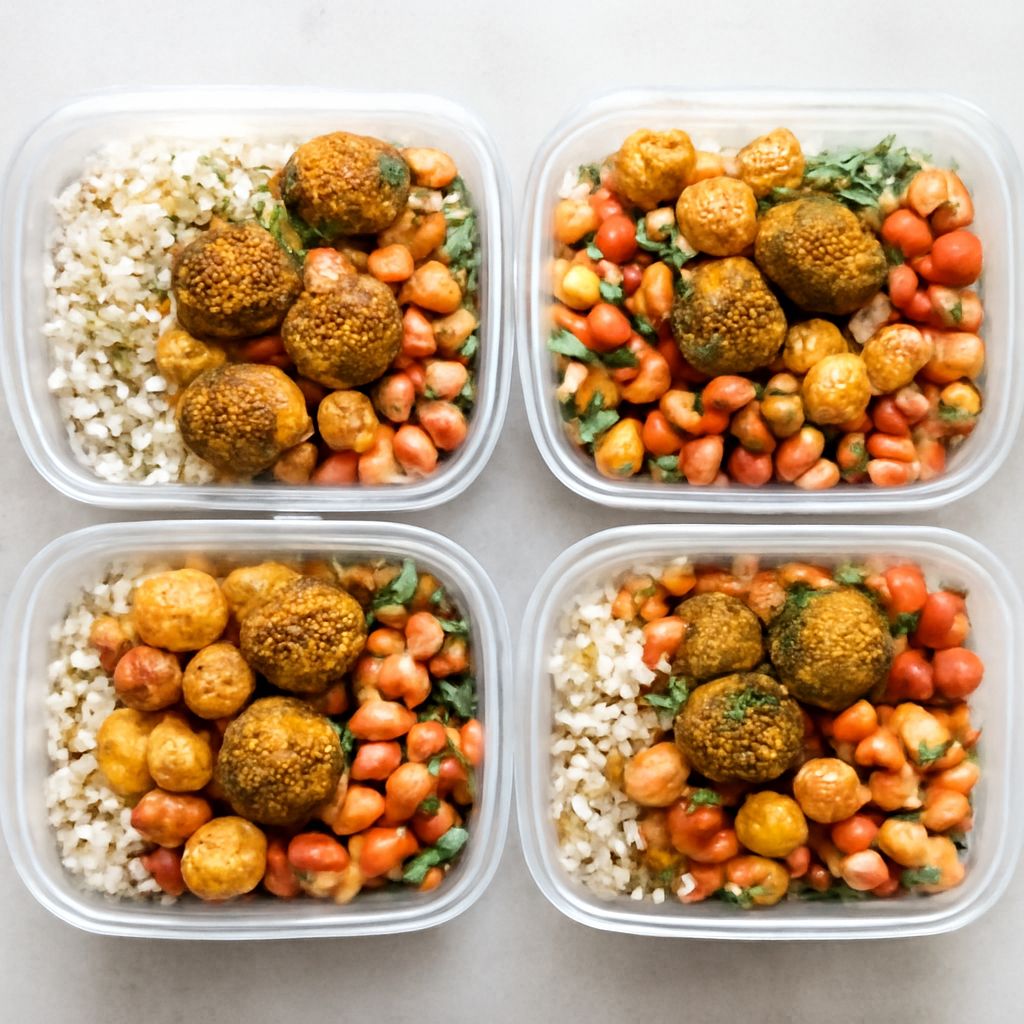
Batch cooking can save time while ensuring your dog always has fresh meals. Measure each portion carefully to maintain consistency in their diet. Introducing new recipes gradually can help your dog adjust to the new flavors and textures.
Tips for Storing and Serving Homemade Dog Food
Proper storage is essential to maintain the freshness and nutritional integrity of homemade dog food. Use airtight containers to store food in the refrigerator for up to three days. For longer storage, freeze the portions, ensuring they are thawed properly before serving.
Serve the food at room temperature to enhance its palatability. Consistency in serving times can help regulate your dog’s digestive system. Always observe your pet’s reaction to new meals and consult your veterinarian if you notice any changes in their health or behavior.
Safety Recap: When preparing homemade dog food, it is crucial to use vet approved recipes to ensure balanced nutrition. Always consult a licensed veterinarian before making significant changes to your pet’s diet, especially if they have specific health conditions or dietary needs.