For many dog owners, the idea of finding ticks on their beloved pets is surrounded by misconceptions. Some assume that ticks are only a problem in heavily wooded areas or that they pose no real threat to their furry companions. However, understanding what a tick on a dog looks like and the potential risks associated with these parasites is crucial. Recognizing a tick isn’t always straightforward since they can appear different depending on their growth stage and whether they’ve already fed.
When you find a tick on your dog, swift action is essential. A tick can transmit various diseases that are harmful to dogs and humans alike. By learning how to effectively identify and remove ticks, you can protect your pet’s health and provide a safe environment for your family.
What Does a Tick on a Dog Look Like?
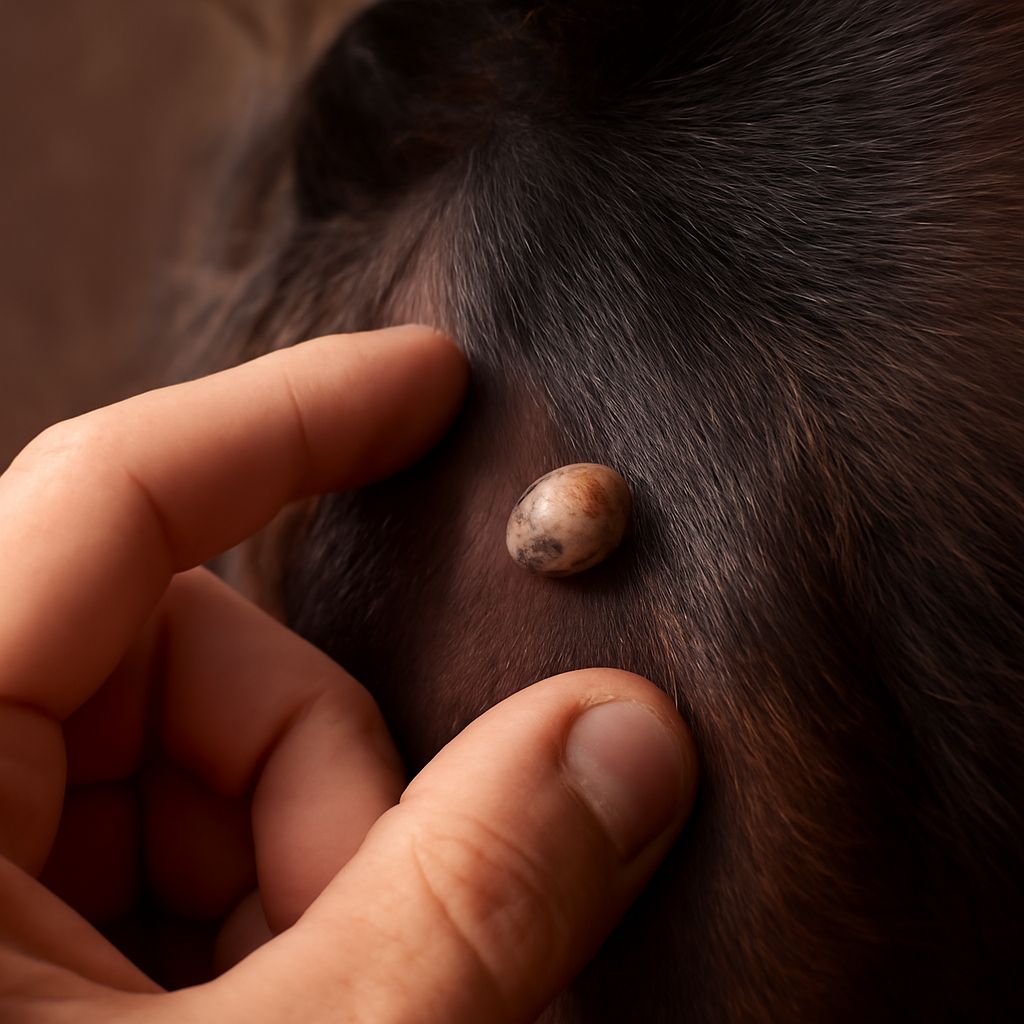
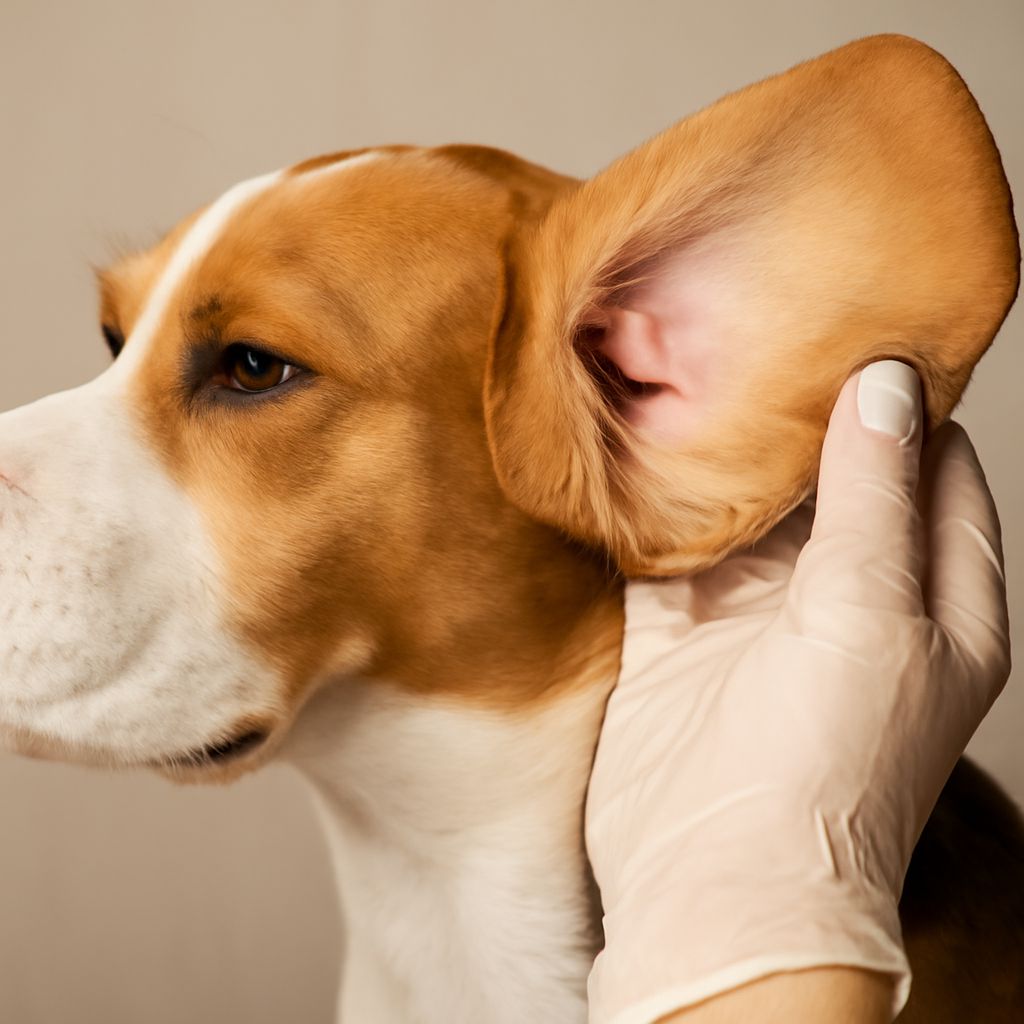
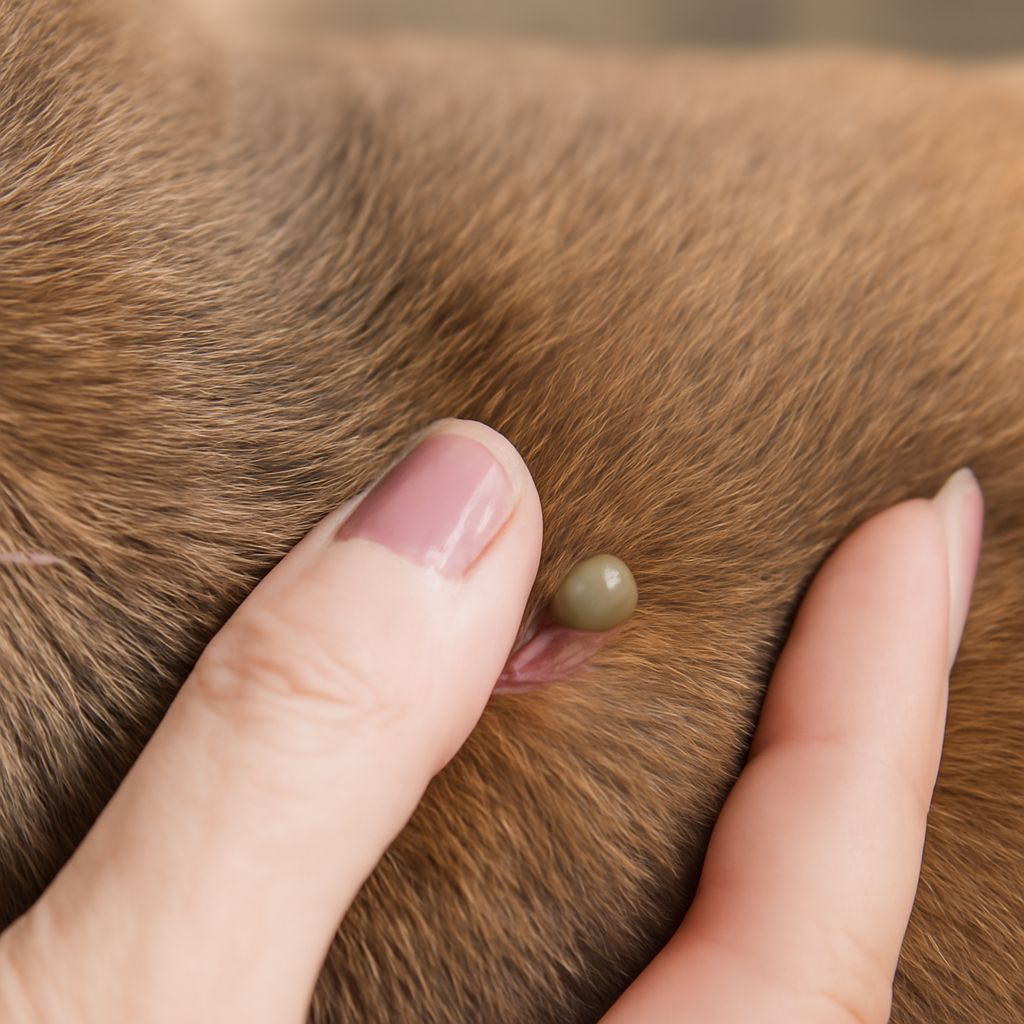
Ticks are small arachnids that can be difficult to spot, especially before they have fed. A tick on a dog may start as an almost imperceptible speck, roughly the size of a pinhead. As they engorge with blood, ticks become more noticeable, resembling small grayish, brown, or black lumps attached to your dog’s skin. The most common areas where a dog with ticks might have them are around the ears, neck, and underbelly.
Identifying ticks on your dog requires a careful examination. Part the fur and look for anything unusual. Ticks can often be mistaken for skin tags or small scabs. However, unlike these benign skin features, ticks have legs and a tough outer shell. Investing time in learning the differences will ensure that you’re better equipped to identify a tick on a dog accurately, keeping your pet safe from potential health issues.
What to Do If You Find a Tick on Your Dog
Once a tick is found on your pet, prompt removal is key to minimizing harm. Use a pair of fine-tipped tweezers or a tick removal tool to grasp the tick as close to your dog’s skin as possible. Pull upward with steady, even pressure. Avoid twisting or jerking, as this can cause parts of the tick to remain embedded in the skin.
After you successfully remove a tick from your dog, cleanse the bite area with antiseptic. Monitoring this area for signs of infection or irritation is important in the following days. Additionally, you should watch for any symptoms of tick-borne diseases, such as fever, lethargy, or changes in appetite. If you notice any concerning symptoms, consult your veterinarian promptly.
Preventing Ticks on Your Dog
To reduce the chances of a tick on your dog, consider using veterinarian-approved tick preventatives. These products range from topical treatments and oral medications to tick collars, each offering varying levels of efficacy and protection duration. Regularly checking your dog for ticks, especially after spending time outdoors, is also a good preventive measure.
Keeping your yard tidy can further minimize the risk of a dog with ticks. Trimmed grass and cleared brush can make your outdoor space less inviting for these pests. Additionally, avoiding known tick-infested areas during peak seasons can be an effective strategy to protect your dog. Staying informed and vigilant will help maintain your dog’s health and wellbeing.
Bottom line: Understanding what a tick on a dog looks like and how to respond effectively is crucial for every dog owner. Swift identification and removal are key steps in protecting your pet from potential health risks. Regular preventive measures and consultations with your veterinarian ensure your dog stays tick-free and healthy.