Many dog owners believe that the color of their pet’s poop is just a trivial matter. However, when it comes to black dog poop, it’s time to pay attention. Black poop dog issues may not be as innocuous as they seem, often serving as a red flag for potential health concerns. Understanding why your dog poop black on outside can offer insights into their digestive health and allow you to take timely action.
While some instances of dog black poop can be harmless, such as a diet rich in certain foods or medications, other times it may indicate serious medical conditions. It is crucial to differentiate these scenarios to ensure your pet’s well-being remains a top priority. Knowing what black dog poop might mean can help you decide whether a simple dietary change is needed or if a vet consultation is essential.
What Causes Black Dog Poop?
Black dog poop can be caused by various factors. One common reason is dietary intake. If your dog has recently consumed foods high in iron or has been given new medications, the change in stool color might be temporary. However, more concerning causes include internal bleeding in the gastrointestinal tract, which can lead to melena, a condition where digested blood turns the stool black.
Other potential causes include ingesting foreign objects, toxins, or a sudden change in diet. It’s vital to monitor your dog’s diet closely and observe any other symptoms that might accompany the change in stool color, such as lethargy or vomiting.
Is Black Poop Dog a Sign of Health Problems?
While a one-time occurrence of black stool might not be a cause for alarm, persistent or recurrent dog black poop could signify underlying health issues. Conditions such as bleeding ulcers, parasites, or even tumors in the digestive tract can present as black feces. These are serious concerns that require professional evaluation.
It’s also important to note any accompanying symptoms like weight loss, appetite changes, or unusual behavior. These can provide additional clues to your dog’s overall health and help determine whether the black stool is a symptom of a deeper problem.
How to Treat Dog Poop Black on the Outside
Treating dog poop black on the outside begins with identifying the root cause. If the issue is dietary, adjusting your dog’s food intake might resolve the issue. Ensure their diet is balanced and free of foods that could cause color changes in the stool.
For cases where the black stool is due to medication, consult your veterinarian about possible alternatives. If an underlying health condition is suspected, further diagnostic tests will be necessary, and treatment will depend on the specific diagnosis.
When to Consult a Veterinarian About Dog Black Poop
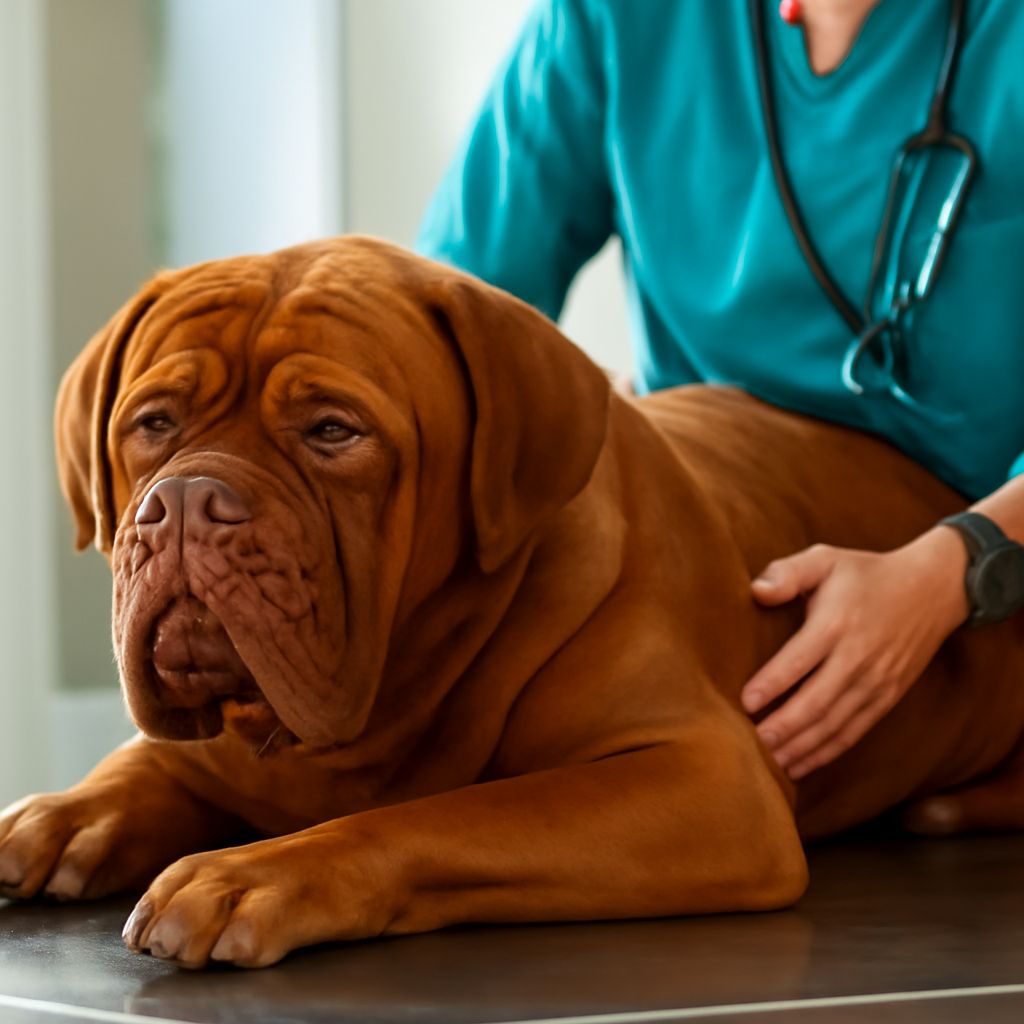
If your dog’s stool remains black for more than a couple of days, or if it’s accompanied by other concerning symptoms such as lethargy, vomiting, or severe abdominal pain, it’s crucial to consult a veterinarian. A professional assessment can determine whether the black stool is due to a serious issue like internal bleeding or another medical condition requiring immediate attention.
The veterinarian might perform various tests, including blood tests or imaging, to identify the cause and recommend appropriate treatment. Early intervention can prevent potential complications and ensure your dog’s continued health.
Key takeaways: Black dog poop can indicate both minor and serious health issues. Monitoring your dog’s diet and overall health is crucial. Consult a veterinarian if the black stool persists or is accompanied by other symptoms.