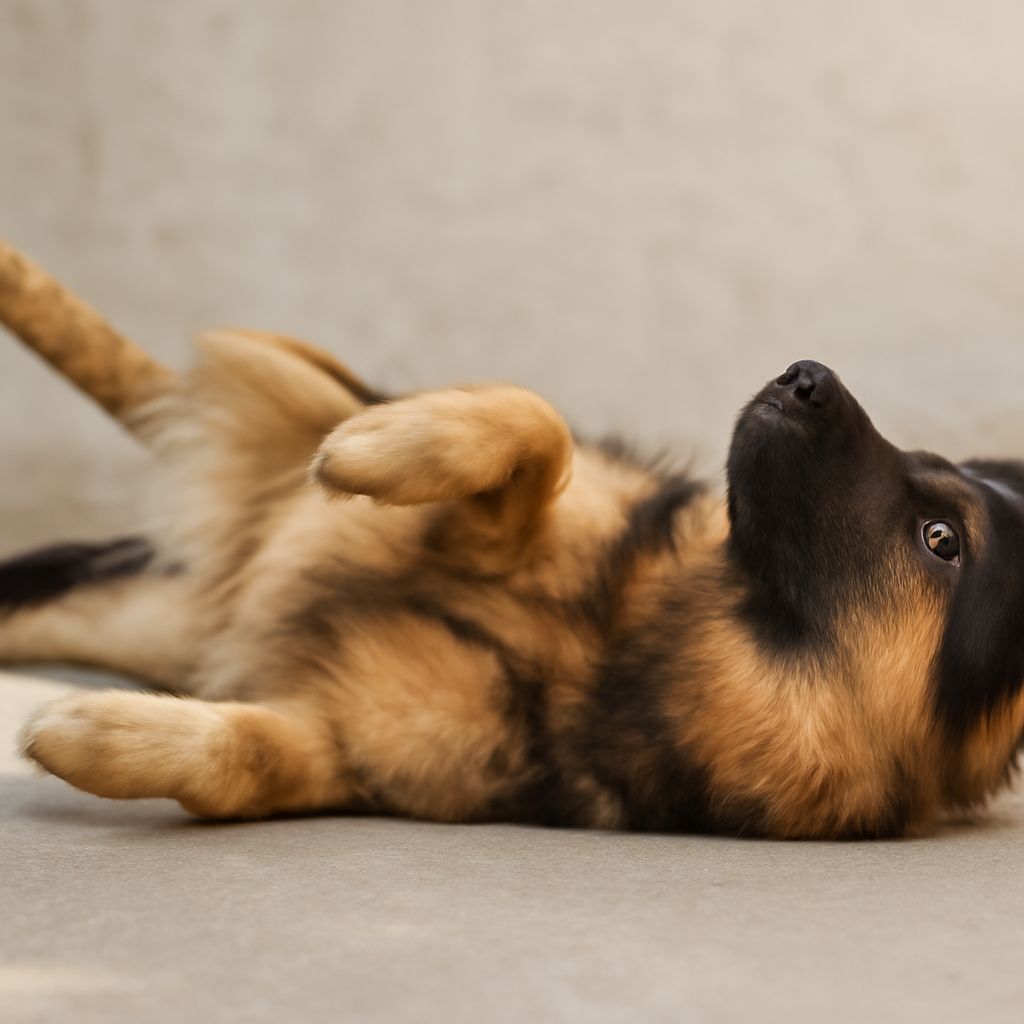
Seeing your dog panting and shaking can be quite alarming. Many dog owners immediately wonder, “Why is my dog shaking and panting?” The sight of your furry friend in discomfort can lead to worry and stress. However, before jumping to conclusions about severe health issues, it’s essential to understand that these symptoms are not uncommon and can be due to a variety of reasons. While anxiety in dogs often manifests as trembling and heavy breathing, there are other potential causes to consider.
There are numerous factors that can trigger these signs in dogs. Yes, some are serious, requiring prompt veterinary attention, but others might be minor and easily addressed. By exploring the different causes behind why dogs exhibit these behaviors, you can take appropriate steps to ensure your pet’s health and well-being.
What Causes Dog Panting and Shaking?
Dogs may pant and shake for several reasons, ranging from natural responses to environmental stimuli to underlying medical conditions. Overheating is a common cause. Dogs regulate their body temperature primarily through panting. If a dog becomes too hot, it will pant more intensely and might even shake due to heat stress.
Another reason could be fear or anxiety. Events like thunderstorms or fireworks can easily induce stress in dogs, resulting in visible shivering and rapid breathing. Pain is also a factor to consider. If a dog is in pain from an injury or ailment, such as arthritis, it may pant and tremble due to discomfort.
Moreover, illnesses such as respiratory disorders, heart problems, or metabolic issues like hypoglycemia can lead to these symptoms. In older dogs, cognitive dysfunction may also cause confusion and stress, manifesting as shaking and panting.
How Can Anxiety Lead to Dog Shivering and Panting?
Anxiety is a prevalent cause of panting and shaking in dogs. Changes in environment, separation from owners, or loud noises can trigger anxiety. A dog experiencing anxiety may pant excessively and shake as a physical response to stress. These symptoms can be temporary, but if they persist, they can impact the dog’s overall health.
Addressing anxiety in dogs often involves creating a calm environment and establishing a routine to help them feel secure. In some cases, training or behavioral modification techniques can be effective. For dogs with severe anxiety, consulting a veterinarian or a pet behaviorist may be necessary to explore options such as therapy or medication.
Additionally, using interactive toys or engaging in consistent exercise can help alleviate anxiety-driven symptoms, offering a constructive outlet for the dog’s nervous energy.
When Should I Worry About My Dog’s Symptoms?
While occasional panting and shaking might not be a cause for immediate concern, persistent symptoms warrant a closer look. If your dog’s panting and trembling are accompanied by other signs like vomiting, diarrhea, or lethargy, it’s critical to seek veterinary care. These could indicate more serious health issues that require professional intervention.
If you notice any changes in your dog’s behavior or health, such as loss of appetite, weight loss, or difficulty breathing, it’s important to consult a veterinarian. They can provide a thorough examination and appropriate diagnostic tests to rule out serious conditions.
In situations where the symptoms seem linked to a particular trigger, like anxiety or environmental factors, monitoring and managing the stressors can prevent recurrence. However, when symptoms persist without an apparent cause, a veterinarian should evaluate the dog to ensure there isn’t an underlying health issue.
Understanding the reasons behind your dog’s panting and shaking empowers you to make informed decisions about their care. By recognizing the signs and knowing when to seek professional help, you can ensure your dog remains happy and healthy.