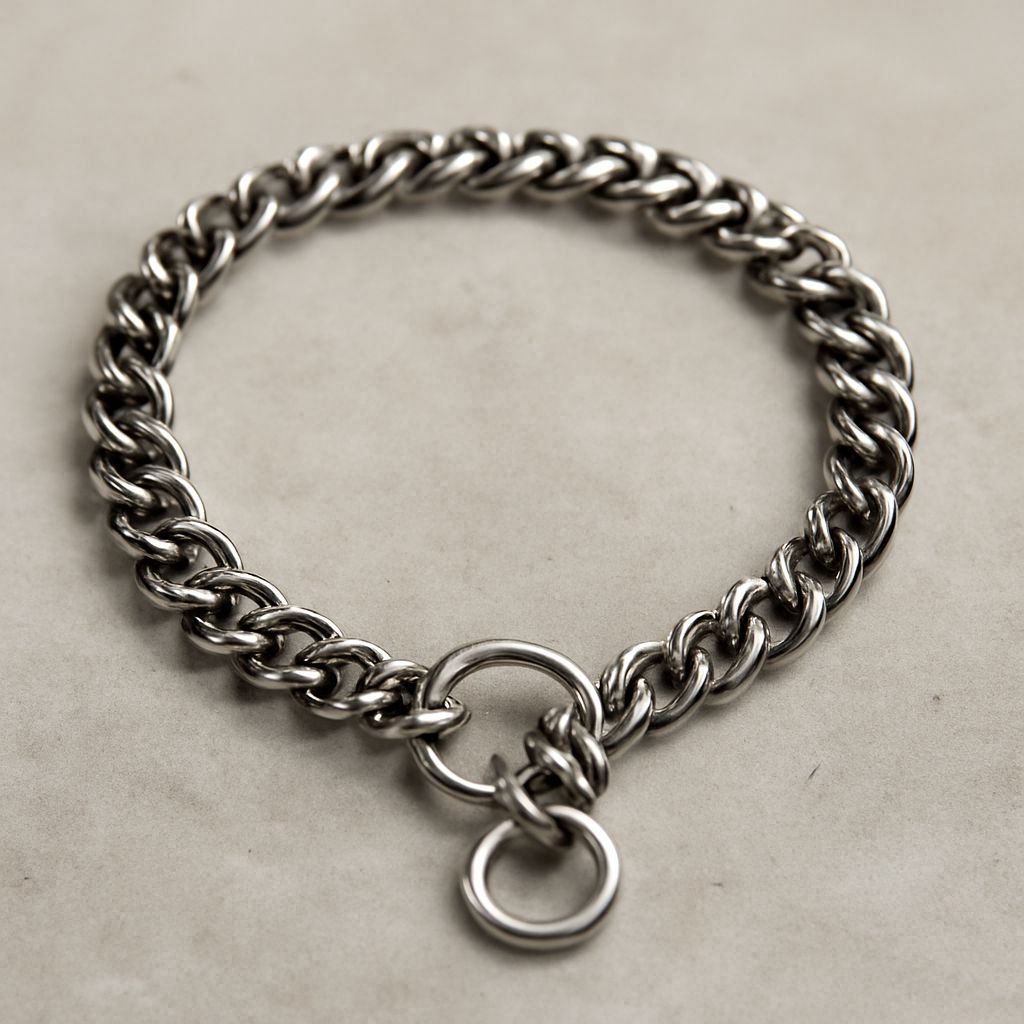
There’s a lot of chatter surrounding the use of choke collars for dogs, often resulting in mixed opinions. Some believe that these collars are effective training tools, while others argue they’re harsh and outdated. To separate fact from fiction, it’s essential to delve into the various facets of choke collars, including their safety, effectiveness, and alternatives. By the end of this guide, you’ll have a comprehensive understanding of what a dog choke collar entails and how it can be used—or replaced—in your pet care routine.
What is a Dog Choke Collar?
A dog choke collar, also known as a slip collar or a choker chain, is designed to tighten around a dog’s neck when tension is applied. Typically made from metal or nylon, these collars are intended for training purposes, providing immediate feedback to the dog by creating a choking sensation if they pull too hard. The theory is that this discomfort will encourage a dog to cease their undesired behavior promptly.
However, many dog owners are unaware of the potential risks associated with improper use. It’s crucial to consider both the design and the application of a choke collar to ensure it’s used safely and effectively.
How to Use a Choke Collar Dog Safely
To maximize the safety of a choke collar dog training session, correct fitting is paramount. The collar should sit high on the dog’s neck and be adjusted to allow enough space to prevent constant pressure when the leash is slack. This prevents undue strain on the dog’s throat and reduces the risk of injury.
During training, leash tension should be consistently monitored. A quick, gentle tug should be sufficient to correct behavior without causing distress. It’s advisable to consult a professional dog trainer if you’re uncertain about using a choke collar correctly. For complex behavioral issues or if the dog exhibits signs of distress, seeking the guidance of a licensed animal behaviorist is recommended.
Pros and Cons of a Choker Collar Dog
One of the key advantages of a choker collar dog training technique is its potential for immediate behavioral correction. When used appropriately, it can be a useful tool for teaching a dog to walk calmly on a leash.
On the downside, misuse can lead to physical harm and exacerbate behavioral problems rather than resolve them. Potential issues include tracheal damage, anxiety, and increased aggression. A balanced view requires understanding both the positive and negative aspects to decide if a choker collar is suitable for your dog.
Are There Alternatives to a Dog Choker Collar?
Thankfully, there are several alternatives to using a dog choker collar for training and walking. One popular choice is a harness, which distributes pressure more evenly across the dog’s body rather than concentrating it on the neck. Harnesses are especially beneficial for dogs that pull excessively or have respiratory issues.
Another alternative is a head collar or halter, which provides control over the dog’s head, directing their attention without causing harm. Positive reinforcement training, using treats and praise to reward wanted behaviors, can be more effective and humane than corrective measures.
By exploring these alternatives, dog owners can select a method that aligns with both their dog’s needs and their training philosophy.
Safety recap: If you choose to use a choke collar, ensure it is properly fitted and used under professional guidance. Consider alternatives like harnesses or head collars for a safer and more humane approach to training your dog.