Many pet owners believe that a simple fence will suffice to keep their furry friends safe. However, this assumption often leads to accidents or escapes, leaving pets vulnerable to external threats. The idea that any standard fence is adequate for a dog proof fence is a common misconception. It’s crucial to understand that each pet, be it a dog or a deer mouse pet, requires specific considerations to ensure their security and well-being.
Another myth is that adding height is the only way to secure a fence. While height certainly plays a role, a dog proof fence extension also involves fortifying the base and considering the type of materials used. These measures are essential in creating a truly secure environment, allowing pet owners peace of mind and providing pets with the freedom they deserve.
What is a Dog Proof Fence?
A dog proof fence is designed with the specific purpose of preventing dogs from escaping a yard or designated area. Unlike regular fences, these are optimized for pet security with modifications that address common escape tactics such as jumping, digging, or squeezing through gaps. An effective dog proof fence incorporates durable materials and strategic designs to deter curious canines from venturing beyond their safe zones.
It’s essential to consider factors such as the size and breed of your dog when planning a fence. While a small breed may be less likely to jump over, they may find gaps or weaknesses in the structure. Therefore, a comprehensive approach in fence design helps mitigate these risks, ensuring all pets remain secure.
How to Dog Proof Fence for Your Home
To dog proof your fence at home, start by assessing the existing structure. Look for any weaknesses or gaps that could be exploited. Reinforce these areas with additional wiring or sturdy materials that resist chewing and scratching. Consider the height and ensure it is adequate to prevent jumping over, particularly for larger breeds.
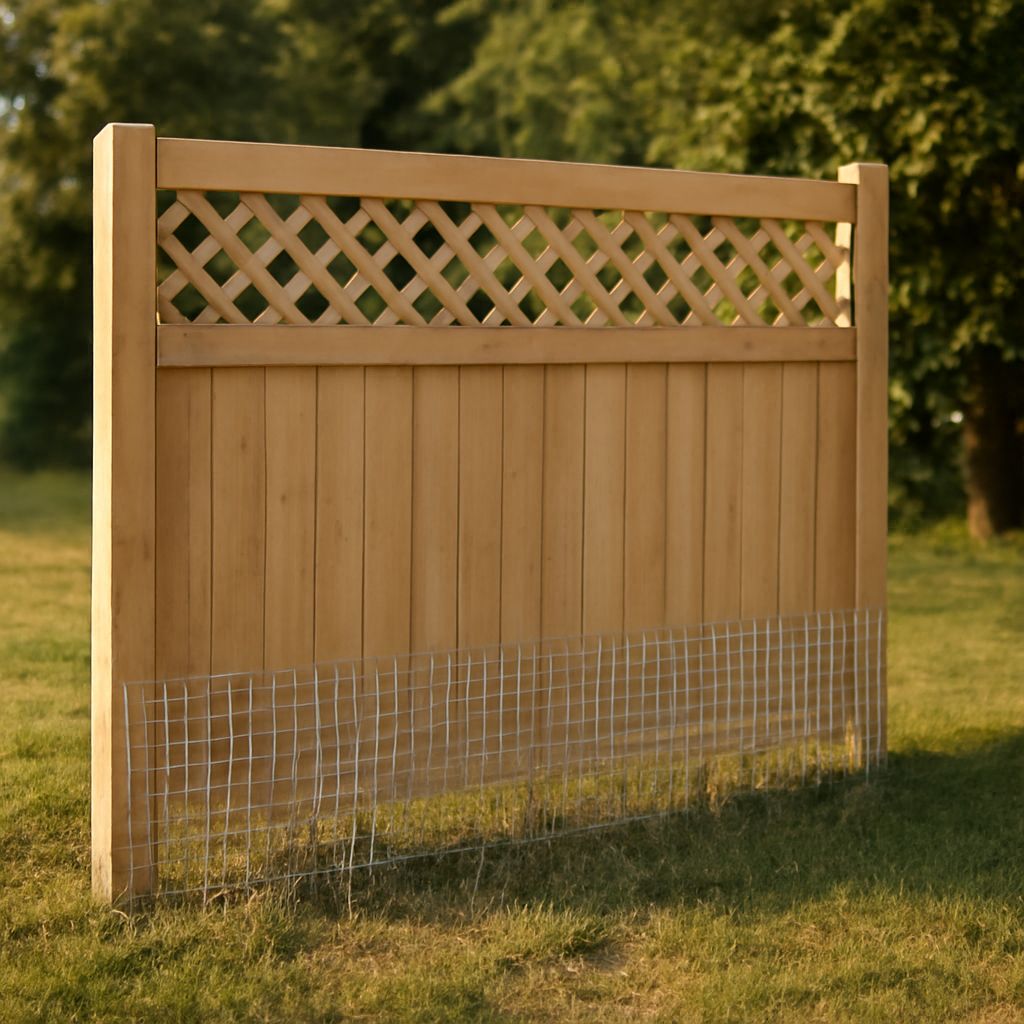
Next, address the ground level. Dogs often dig beneath fences, so installing a barrier that extends below the ground can thwart these escape attempts. Incorporating landscaping features such as rocks or underground mesh can further enhance security. Remember, a well-designed dog proof fence doesn’t just keep dogs in; it keeps external threats out.
For severe damage or complex modifications, consulting a professional is advisable. A licensed stylist can provide insights into materials and techniques that cater to your specific environment and pet needs.
Exploring Dog Proof Fence Extensions
Dog proof fence extensions offer additional security for pet owners seeking a versatile solution. Extensions can include adding height or reinforcing weak spots with durable materials. Some options feature angled tops, which discourage climbing, while others integrate mesh panels to eliminate gaps.
Another popular method is incorporating natural barriers, such as hedges or trellises, which blend aesthetics with functionality. These extensions are adaptable and can be tailored to fit various landscapes and property sizes, providing a flexible approach to enhancing pet safety.
Regular maintenance of these extensions is key to longevity and effectiveness. Routine checks ensure that all components remain intact and functional, preserving the integrity of your pet-friendly environment.
Integrating Other Pets in Your Pet-Friendly Environment
While dogs are often the primary focus of fence modifications, other pets like a deer mouse pet can benefit from these enhancements. Creating a secure yard involves considering the needs of all animals residing there. For smaller pets, ensure that enclosures are predator-proof and escape-resistant.
Engaging in activities such as dog face swap can be fun and interactive, promoting a harmonious multi-pet environment. These activities not only enhance bonding but also stimulate pets, contributing to their overall well-being.
Ultimately, a pet-friendly yard caters to the diverse needs of its inhabitants. By implementing thoughtful designs and extensions, pet owners can create a safe haven where all pets thrive together, free from the risks of escape or external danger.