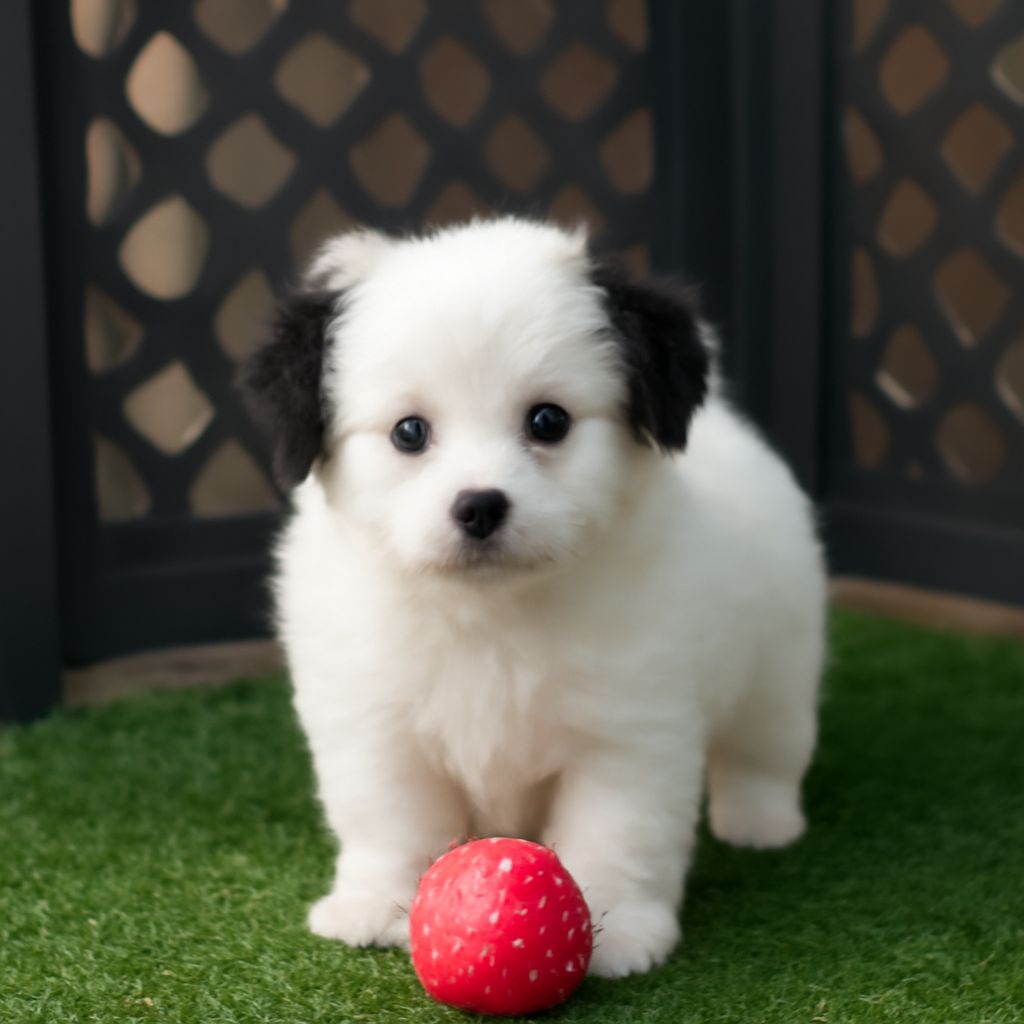
It’s a common misconception that dogs can’t experience emotions like humans do. In reality, dogs are highly sensitive creatures capable of feeling a range of emotions, including sadness. If you’ve ever asked yourself, “Why does my dog look sad?” you’re not alone. Many dog owners occasionally notice their pets appearing downcast without understanding the root cause. From their posture to facial expressions, dogs often show emotional cues that might signal distress or unhappiness.
Understanding these signals is crucial for maintaining a healthy relationship with your pet. This article aims to demystify canine emotions, exploring factors that might contribute to a dog’s sad appearance, including the impact of a green dog collar on mood, traits of huge fluffy dog breeds, characteristics of the walrus dog breed, and how Halloween dog treats can lift their spirits.
Why Might Your Dog Look Sad?
Several reasons may explain why a canine appears sad. Physical discomfort, illness, or environmental changes can all affect a dog’s mood. Observing their behavior closely can offer insights. If your dog exhibits signs of lethargy, loss of appetite, or unusual sleeping patterns, it may be feeling unwell or stressed.
Emotional well-being in dogs is also influenced by their bond with owners. A lack of interaction or prolonged periods of solitude can lead to signs of melancholy. Furthermore, moving to a new home or changes in routine can unsettle them, causing a sad demeanor.
How Can a Green Dog Collar Affect Mood?
The color green is often associated with calmness and tranquility. While no definitive scientific evidence exists that a green dog collar directly alters a dog’s mood, anecdotal reports suggest it may have a soothing effect due to its color properties. Choosing the right collar color might not be a cure-all but can be part of a holistic approach to keeping your dog emotionally balanced.
Other factors, such as the comfort and fit of the collar, are crucial. A well-fitted collar can prevent irritation and discomfort, indirectly improving your dog’s overall mood. Always consult with a stylist or veterinarian before making significant changes to your dog’s accessories.
Which Huge Fluffy Dog Breeds Are Prone to Looking Sad?
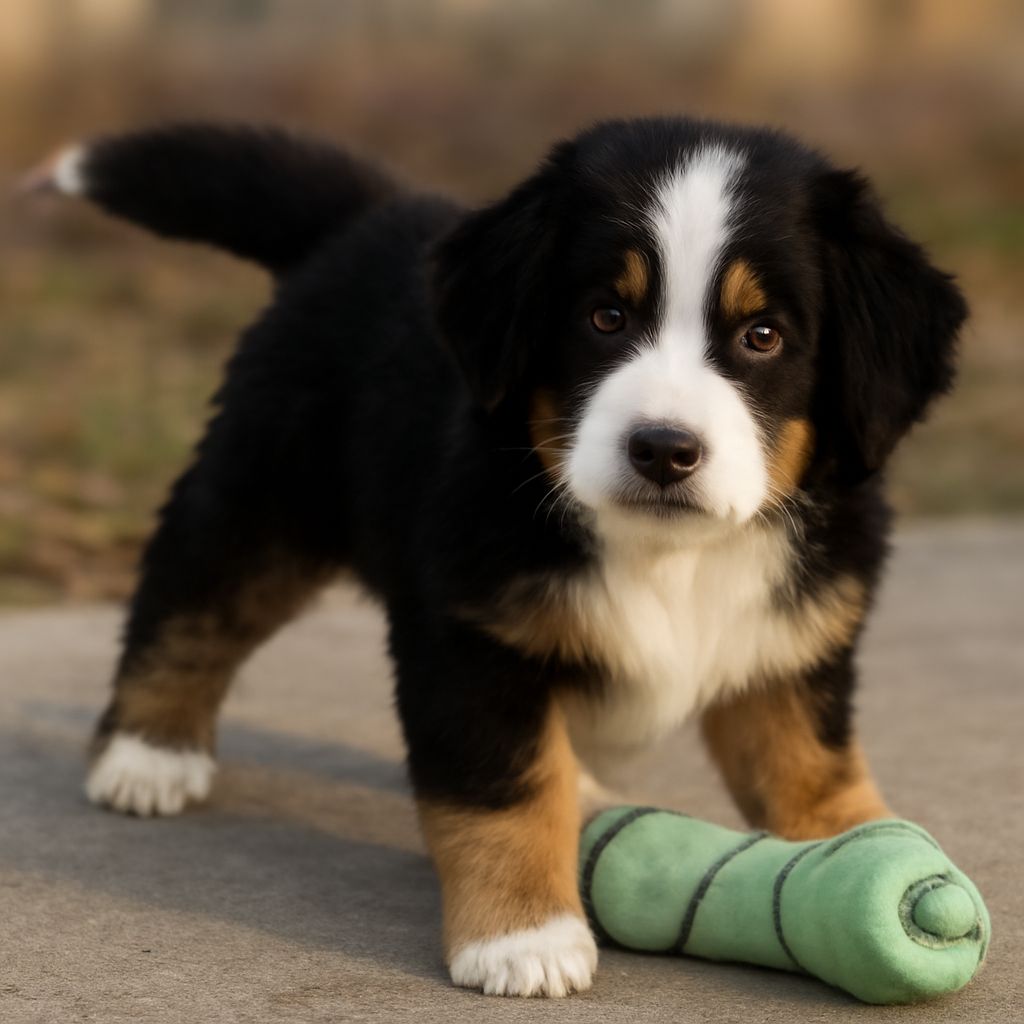
Certain huge fluffy dog breeds, like the Bernese Mountain Dog and the Newfoundland, may appear sad due to their facial structure and size. Their droopy eyes and relaxed facial muscles can give them a perpetually doleful expression, often misunderstood as sadness.
These breeds typically have loving, gentle temperaments, which can be mistaken for sadness. Regular grooming and attention can help these dogs maintain a cheerful disposition. Additionally, providing ample exercise and social interaction is essential for their well-being.
What Is the Walrus Dog Breed Known For?
The walrus dog breed, a mix between the Shar-Pei and Basset Hound, is known for its wrinkly skin and stubborn nature. Often, their facial folds and droopy eyes can create an impression of sadness. Despite their appearance, these dogs are typically affectionate and possess a playful spirit.
Understanding the unique traits of the walrus dog breed can help owners address their pet’s emotional needs adequately. Regular veterinary check-ups and appropriate grooming are recommended to keep them healthy and content.
How Do Halloween Dog Treats Influence Happiness?
Halloween can be an exciting time for pets as well as their owners. Special Halloween dog treats can add fun and joy to your dog’s life, provided they are made with ingredients safe for canine consumption. Pumpkin-flavored treats, for instance, are often a hit.
Introducing festive treats can enhance a dog’s mood and strengthen the bond between pet and owner. However, moderation is key, and consulting a veterinarian is advisable to ensure treats don’t upset your dog’s dietary balance.
Understanding your dog’s emotional health involves recognizing various factors that influence their behavior. From the subtleties of a green dog collar to the joys of Halloween dog treats, each aspect plays a significant role in shaping their overall well-being.