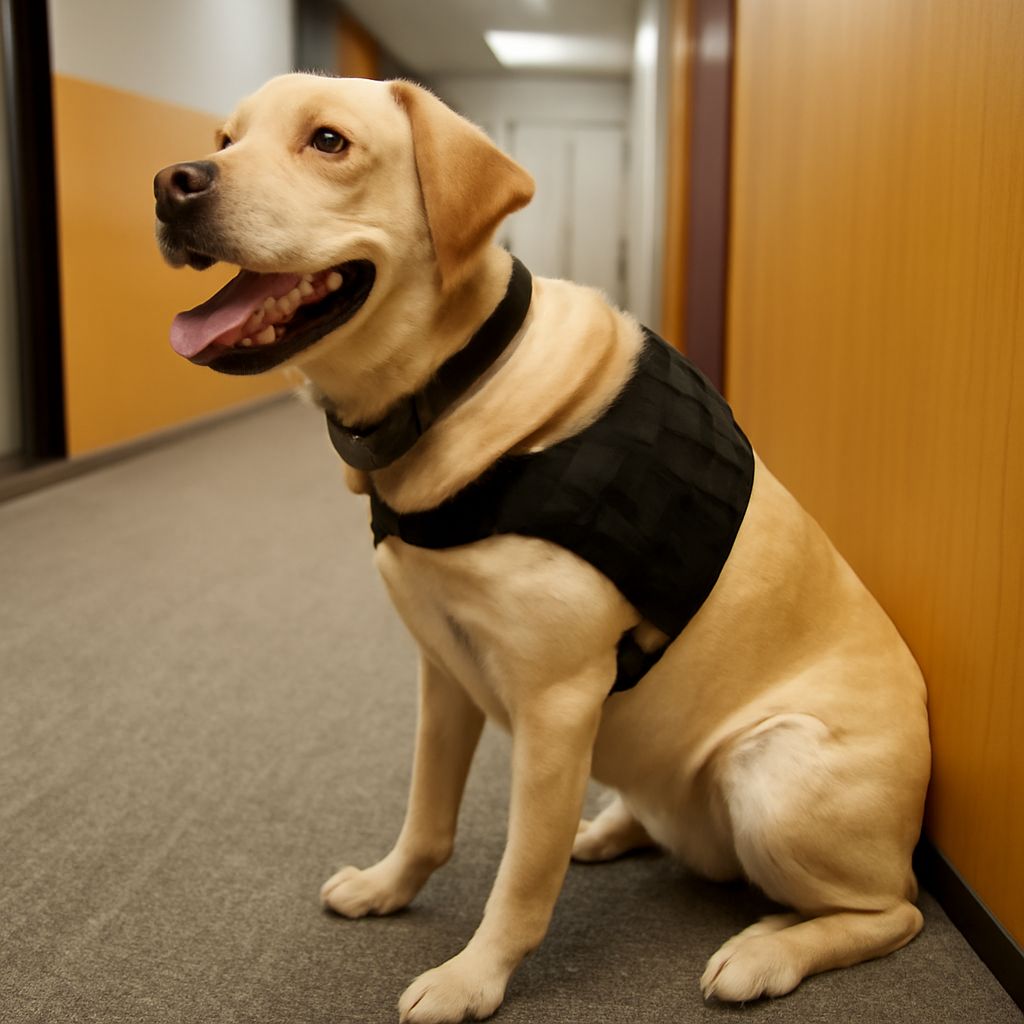
Many people believe that training a drug sniffing dog is as simple as teaching any regular pet a few tricks. However, the reality is far more complex and fascinating. These dogs are highly trained and undergo specialized programs to ensure they can effectively detect narcotics. Understanding how a drug sniffing dog works is vital for appreciating their role in law enforcement and security.
Another common misconception is that these dogs operate solely on instinct. In truth, their ability to successfully identify drugs results from rigorous training and close cooperation with handlers. Alongside their incredible skills, maintaining their health is crucial, with dog dental spray playing a significant role in their oral care. Furthermore, ensuring these dogs have suitable small pet cages is important for their well-being when they are off-duty.
How Does a Drug Sniffing Dog Work?
Drug sniffing dogs possess an extraordinary sense of smell, capable of detecting even the faintest scent of narcotics. Their training begins with basic obedience and socialization, gradually advancing to scent detection exercises. Trainers introduce various narcotic scents, rewarding dogs when they accurately identify each substance. This positive reinforcement encourages the dog to continue improving its skills in scent detection.
During training sessions, these dogs learn to differentiate between similar smells and ignore non-target odors. This precision is achieved through consistent practice and handler guidance. By the time their training is complete, these dogs can identify specific drugs with remarkable accuracy, making them invaluable assets in law enforcement.
How Does a Drug Dog Alert?
Training Techniques
Drug dogs learn different alert techniques during their rigorous training. Handlers teach them to signal the presence of drugs using either passive or active alerts. Passive alerts are often preferred, especially in public spaces, as the dog sits or stays still when it detects a narcotic scent.
Different Alert Types
Alternatively, active alerts involve the dog taking a more proactive stance, such as barking or scratching at the source of the scent. These alerts are used in controlled environments where a direct response is safe. The choice between passive and active alerts depends on the specific situation and the handler’s preference.
Handlers must have a keen understanding of the dog’s alert signals to accurately assess and respond to potential narcotics presence. Recognizing how a drug dog alerts is crucial for effective collaboration between the handler and the canine partner.
The Importance of Dog Dental Spray
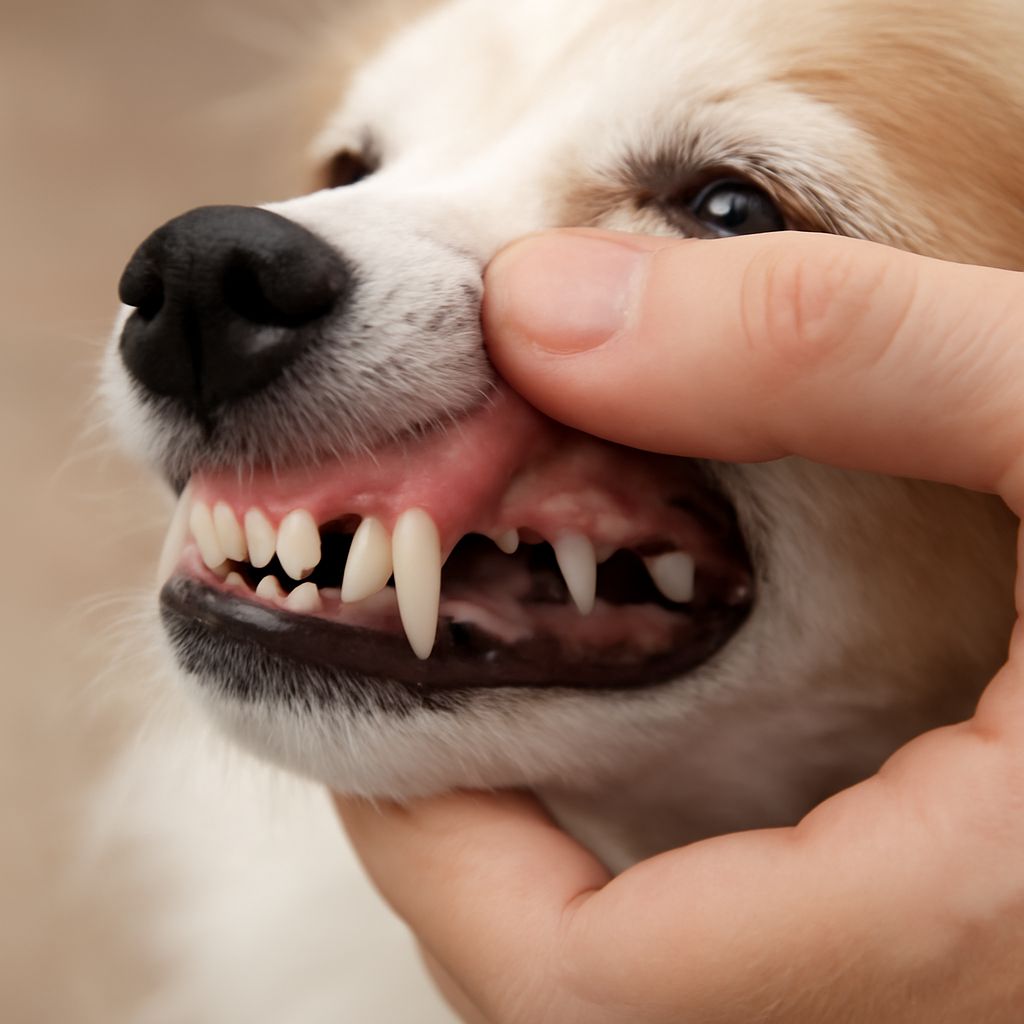
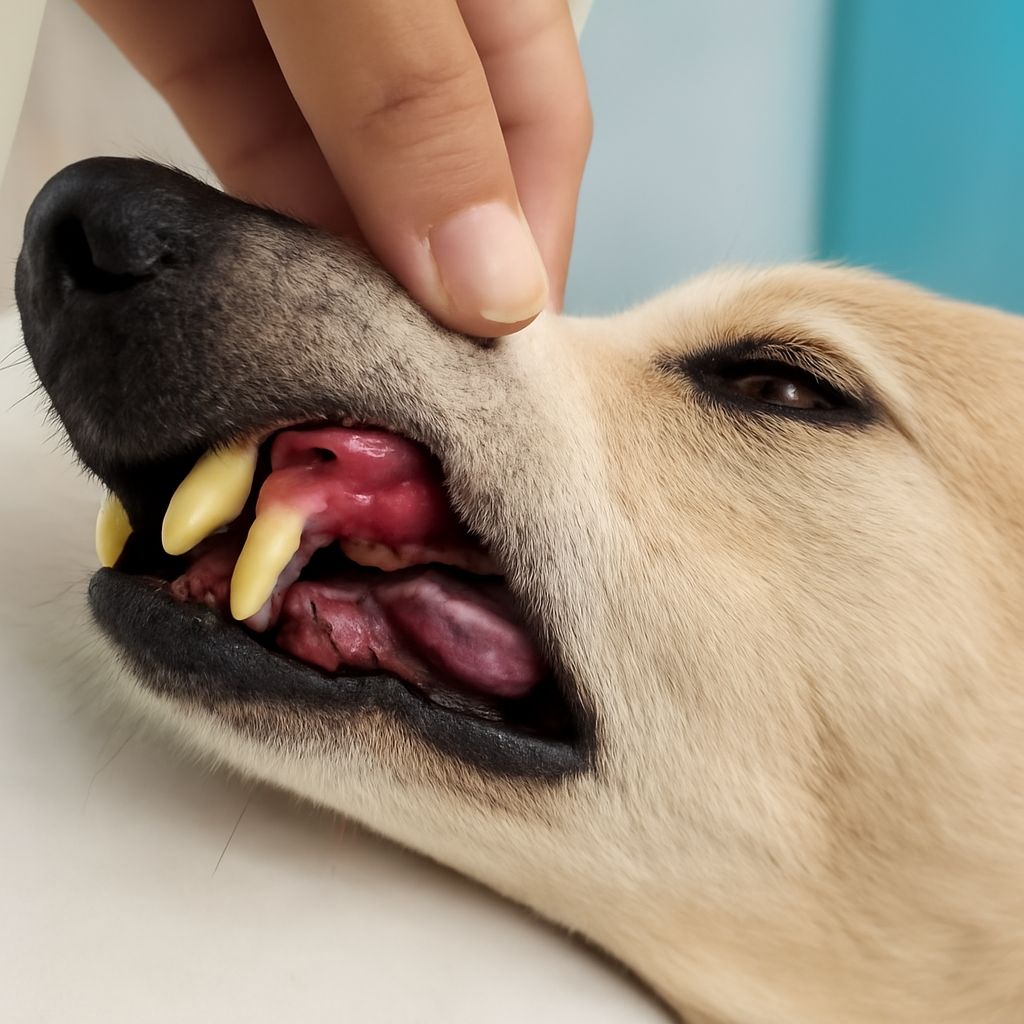
Proper oral care is essential for maintaining the overall health of a drug sniffing dog. Regular use of dog dental spray helps prevent plaque buildup and reduces the risk of gum disease, which can affect a dog’s ability to work effectively. Dental sprays are designed to be easy to use, ensuring that the dog’s oral hygiene is maintained without causing stress.
Ensuring healthy teeth and gums is crucial because dental issues can lead to pain and discomfort, affecting a dog’s performance. By incorporating dental care into their routine, handlers help prolong the working life of their canine partners and ensure they remain in peak condition.
Choosing Small Pet Cages for Drug Sniffing Dogs
When off-duty, drug sniffing dogs require a safe and comfortable space to rest. Choosing the right small pet cages involves considering factors such as size, ventilation, and durability. The cage should be spacious enough for the dog to move around comfortably but not so large that it feels insecure.
Ventilation is important to ensure the dog remains comfortable in various climates, while durable materials help protect the dog during transport. Selecting the right cage ensures the dog can relax and recharge, ready for their next mission. Handlers should consult with dog care experts to find cages that best meet the needs of their canine partners.