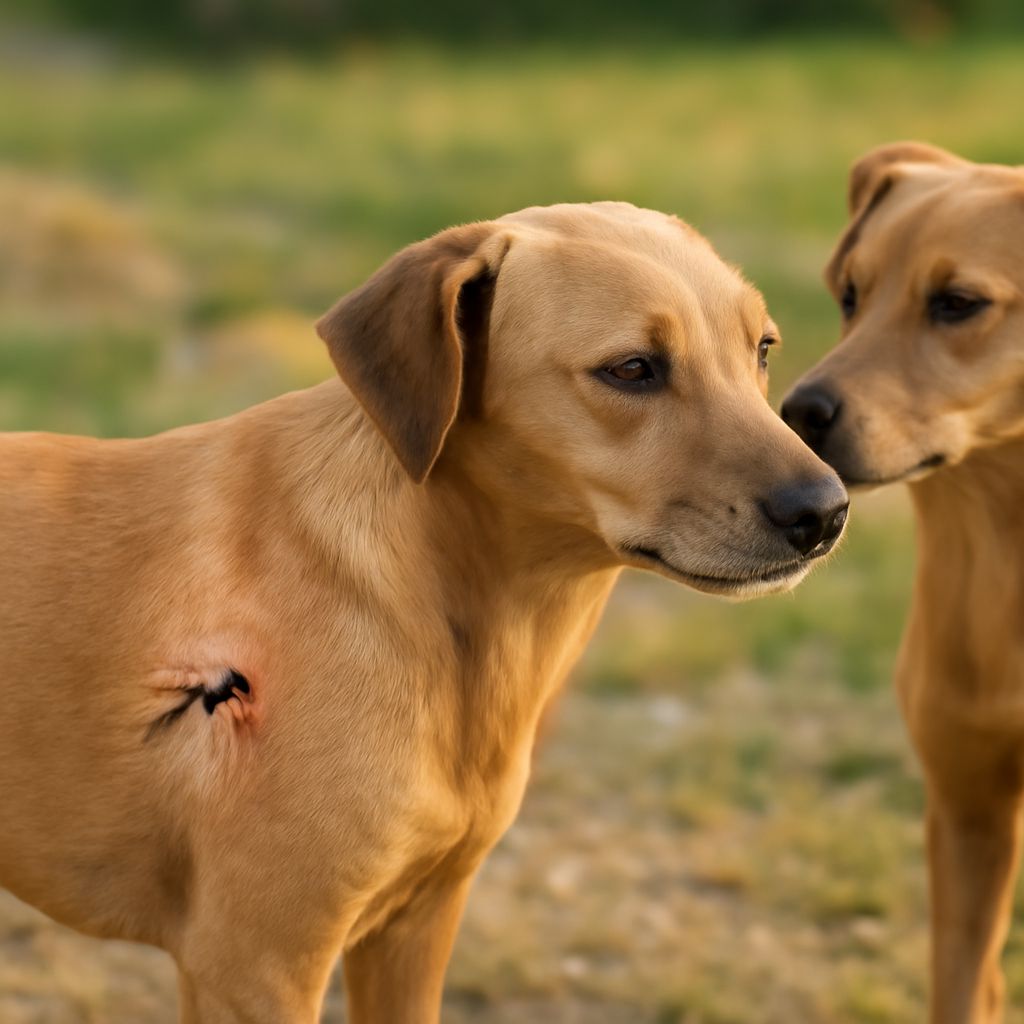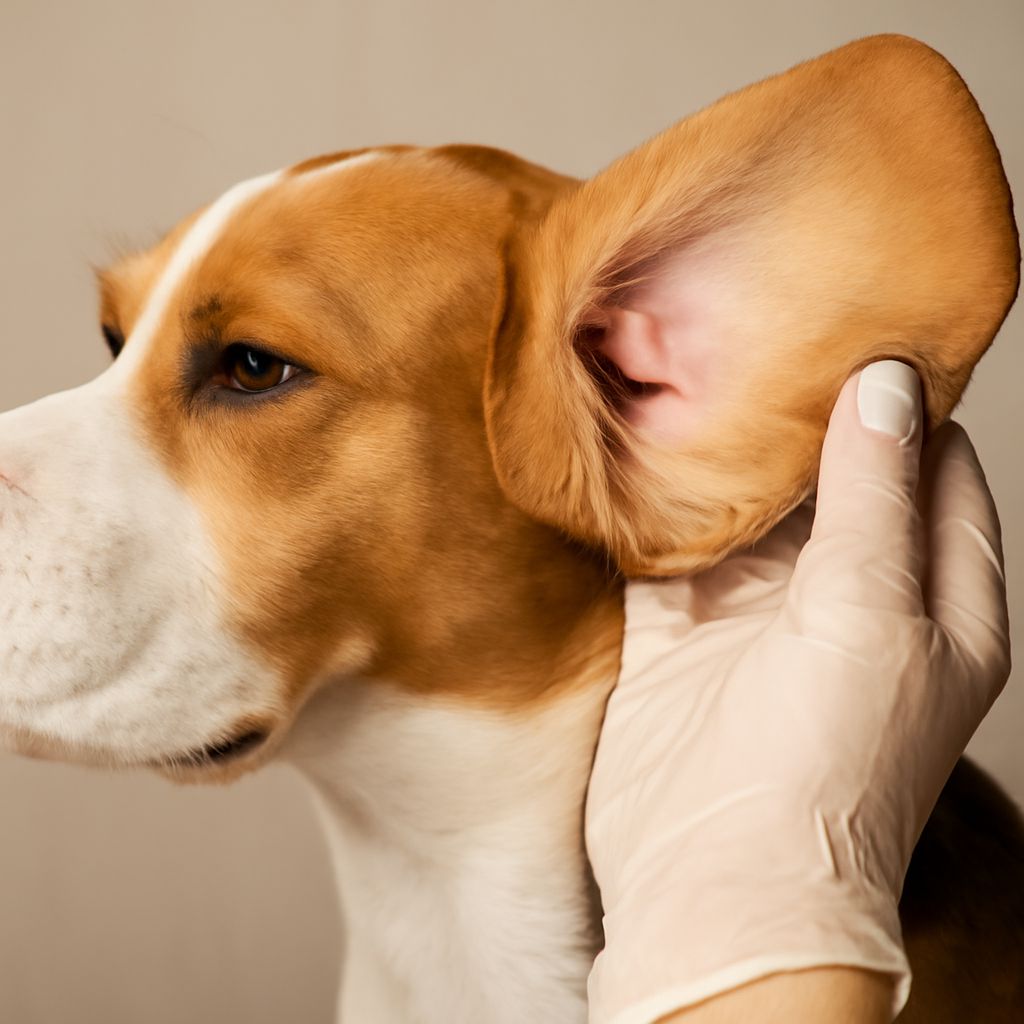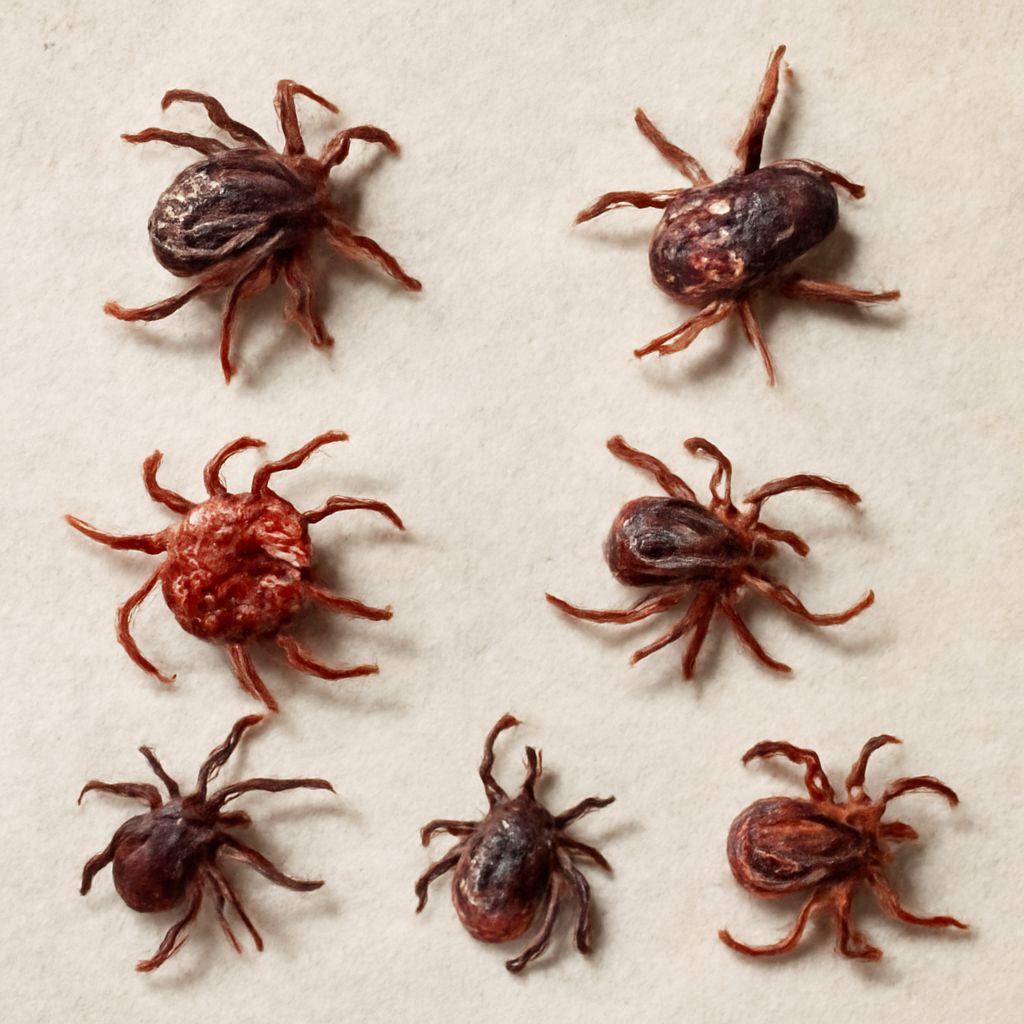
Ticks are more than just a nuisance for your dog; they can pose serious health risks. Many pet owners underestimate the importance of removing ticks from their dogs promptly. They might think that occasional ticks are harmless, or that their dog’s coat protects them entirely. However, ticks can transmit diseases like Lyme disease and anaplasmosis, which can have significant health implications. Understanding why tick removal is crucial is the first step in ensuring your dog’s well-being.
Removing ticks from dogs is a delicate task that requires precision and care. Without proper technique, you might leave parts of the tick embedded in your dog’s skin, leading to infections or other complications. This guide will provide you with effective methods to safely remove ticks and outline common mistakes to avoid during the process.
Why Is Tick Removal Important for Dogs?
Ticks are vectors for numerous diseases that can affect both animals and humans. When a tick latches onto your dog, it feeds on blood, potentially transferring pathogens that can cause serious illness. Conditions like Lyme disease, ehrlichiosis, and Rocky Mountain spotted fever can all stem from a single tick bite.
Regular tick checks and removal can significantly reduce the risk of these diseases. It’s essential to familiarize yourself with the tick removal process to ensure your dog’s safety and health. A timely intervention not only protects your dog but also prevents ticks from infesting your home.
How to Get a Tick Off of a Dog Safely
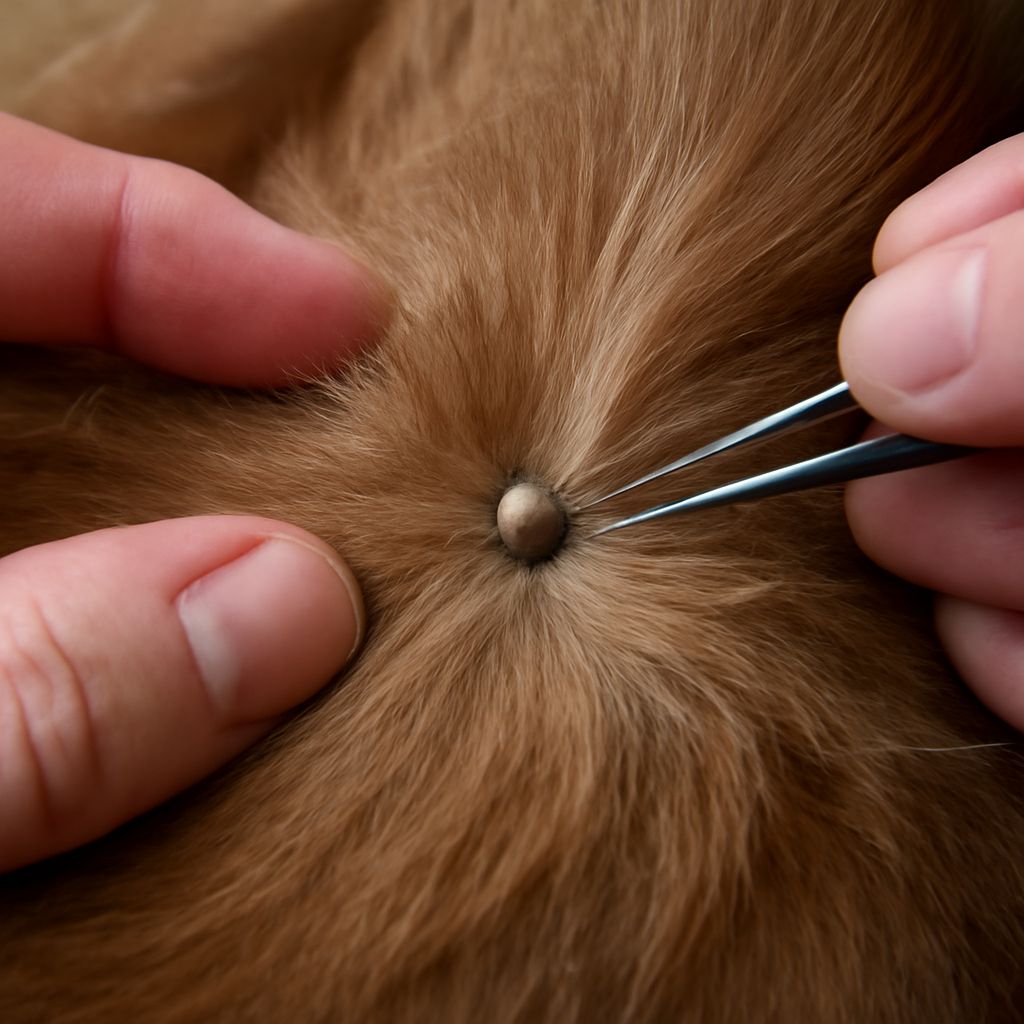
When it comes to removing ticks from a dog, the right tools and method are crucial. Start by using a pair of fine-tipped tweezers or a tick removal tool. Grasp the tick as close to your dog’s skin as possible. Pull upward with steady, even pressure, being careful not to twist or jerk, which can cause parts of the tick to break off and remain in the skin.
Avoid using home remedies like petroleum jelly or heat to remove ticks, as they may cause the tick to release more pathogens into the bite area. Once the tick is removed, clean the bite area and your hands with antiseptic. Proper disposal of the tick is important; you can place it in alcohol to kill it.
Mistakes to Avoid When Removing Ticks From Dogs
A common mistake when removing ticks from dogs is squeezing the tick’s body. This can force harmful bacteria into your dog’s bloodstream. Additionally, using inappropriate tools, such as your fingers or blunt-tipped tweezers, can lead to incomplete removal.
Do not assume that a tick will fall off naturally. Ticks can stay attached for several days, increasing the risk of disease transmission. Regularly check your dog, especially after outdoor activities, to ensure timely removal.
Aftercare Tips for Your Dog Post Tick Removal
Once you have successfully removed a tick from your dog, thorough aftercare is necessary. Monitor the bite site for signs of infection, such as redness, swelling, or pus. If these symptoms occur, consult a veterinarian promptly.
Maintain a tick preventive regimen as part of your dog’s healthcare routine. This may include tick collars, topical treatments, or oral medications as recommended by your veterinarian. Understanding the local tick activity and seasonality can also help you take proactive measures.
Incorporating these practices ensures that your dog remains healthy and minimizes the threats posed by ticks. As with any health concerns, consult a veterinarian for advice specific to your dog’s needs and circumstances.