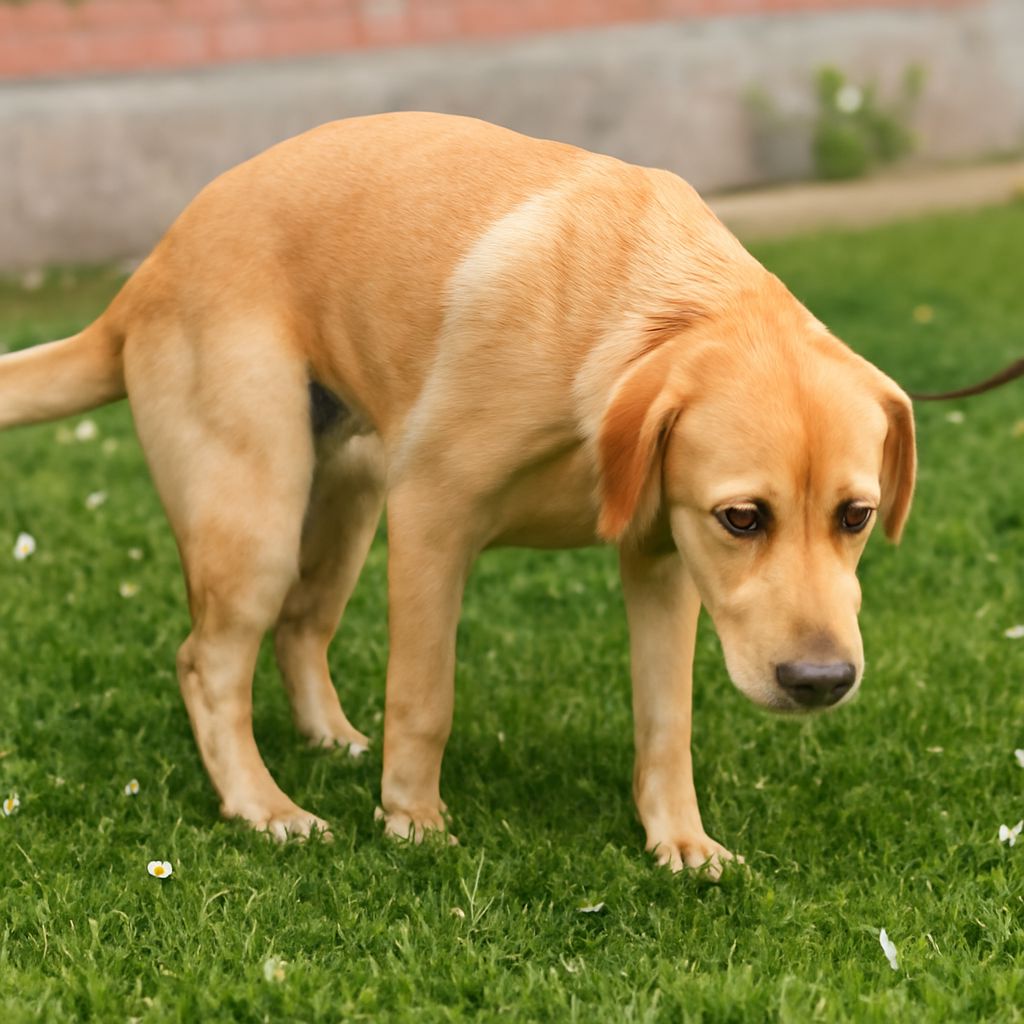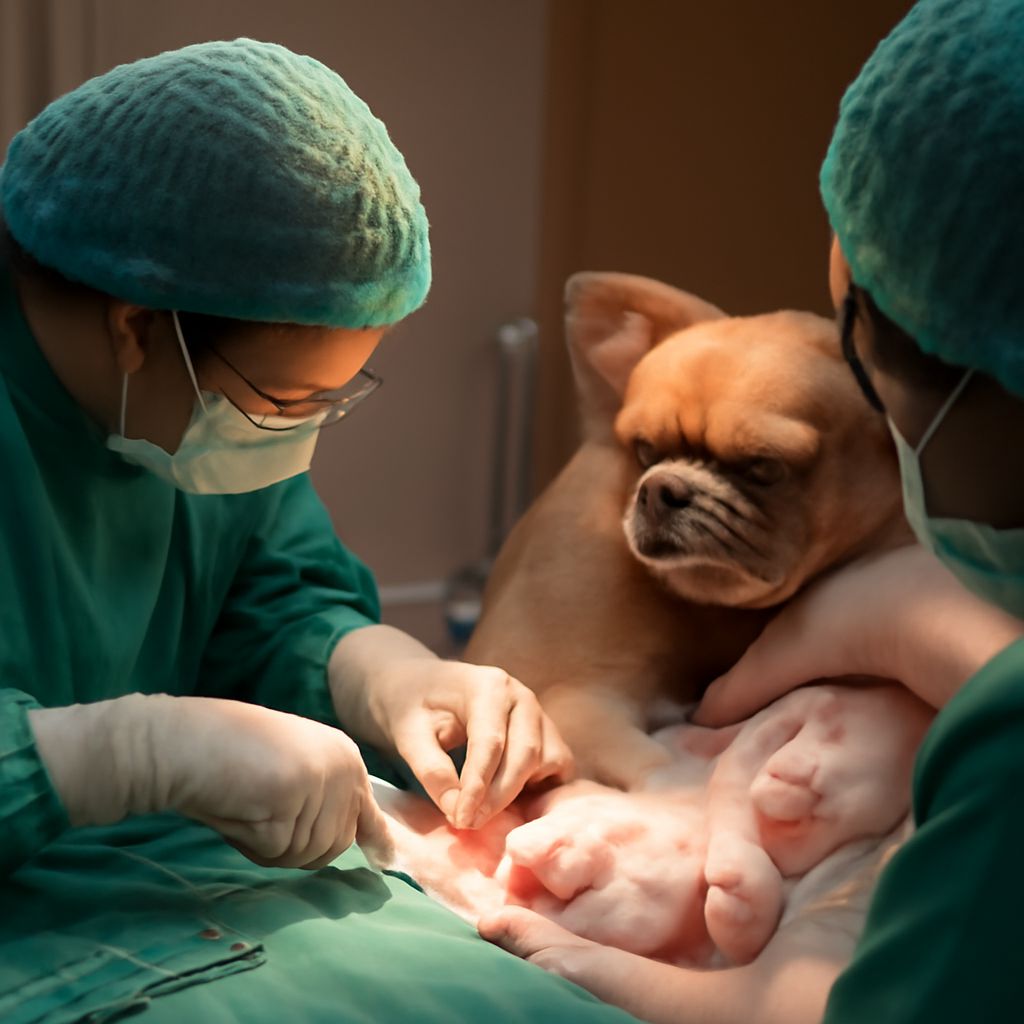
For many dog owners, the moment their beloved pet goes into labor can be shrouded in mystery and anxiety. Myths abound regarding the signs a dog is in labor, often leaving pet parents unsure of how to best prepare for the event. Contrary to common belief, the early signs of dog labor are not always dramatic. Recognizing these subtle cues ensures a smoother transition for both you and your canine companion.
While it’s easy to assume that a dog in labor will immediately begin exhibiting noticeable behaviors, the truth is quite different. Many dogs show early signs of labor that can be easily missed if you’re not observant. It’s crucial to learn how to tell when a dog is in labor so that you can provide the appropriate support and care. Among these signs, pregnant dog discharge before labor is often overlooked but vital for recognizing the onset of delivery.
Understanding Early Signs of Dog Labor
The early signs of dog labor can manifest in various ways. Initially, a dog may seem restless or exhibit nesting behaviors, such as seeking out a quiet, comfortable place to give birth. This behavior is instinctual and can begin days before actual labor starts. Some dogs may also lose interest in food, an indicator that the body is preparing for the birthing process.
As the time approaches, you might notice your dog’s temperature dropping slightly. A normal dog’s temperature hovers around 101 to 102.5 degrees Fahrenheit, but it can fall to about 99 degrees when labor is imminent. Monitoring this change can be a helpful way to anticipate labor.
How to Tell When a Dog is in Labor
Knowing how to tell when a dog is in labor involves being attentive to multiple signs. Apart from behavioral changes, physical symptoms will become more evident. Watch for contractions, which may cause your dog to pant heavily or shiver. These contractions are a clear indication that labor is underway.
Another key sign is the dog’s demeanor. A typically playful dog may become more withdrawn or clingy, seeking comfort and reassurance from their owner. Providing a calm and supportive environment during this time is crucial.
Finally, labor is typically divided into three stages, and recognizing the transition from stage one to stage two is essential. The first stage involves cervical dilation, and the dog may appear restless or uncomfortable. Observing these changes can help you prepare for the arrival of the puppies.
Pregnant Dog Discharge Before Labor
One of the more subtle but significant signs of labor is pregnant dog discharge before the birthing process. As the delivery approaches, you may observe a clear or slightly blood-tinged discharge. This discharge is entirely normal and indicates that the body is preparing for the puppies’ birth.
However, it’s crucial to note the type and color of the discharge. If the discharge appears green or has a foul odor, it could signify complications, and consulting a veterinarian is advisable. Licensed professionals can provide guidance and intervention if needed.
Other changes to watch for include a softening of the vaginal area and subtle swelling. These are natural adjustments as the dog’s body readies itself for labor.
Bottom line: Recognizing the early signs of dog labor and understanding the nuances of pregnant dog discharge can make a significant difference in your dog’s birthing experience. Providing a supportive and calm environment, alongside careful observation, will ensure that both you and your dog are prepared for this natural and rewarding process. When in doubt, always consult with a licensed veterinarian to ensure the health and safety of your pet.