Many pet owners believe that cutting black dog nails is a daunting task, often shrouded in myths and misconceptions. The color of a dog’s nail, whether black or white, does not significantly alter the process or importance of regular trimming. National Black Dog Day brings attention to the care of dark-coated canine companions and emphasizes the significance of maintaining their overall health, which includes proper nail trimming.
While some opt for methods like grinding and filing dog nails instead of clipping, understanding the fundamental reasons for keeping a dog’s nails short is crucial. Proper techniques can prevent injury and ensure comfort for both you and your pet.
Why Is It Important to Cut Black Dog Nails?
Trimming your dog’s nails is vital for their health and well-being. Long nails can lead to numerous problems, such as discomfort while walking, potential injuries, and even joint issues. Particularly for black dogs, where the quick, or the blood supply to the nail, is not visibly apparent, regular trimming prevents the quick from growing too long. This helps avoid painful cutting and keeps your pet active and happy.
Moreover, overgrown nails can cause a dog’s toes to splay or twist, putting undue pressure on the paw and leg joints. Regularly cutting the nails maintains proper foot structure and posture. For black-coated dogs, their overall care extends beyond grooming; it’s about ensuring every aspect of their health, including the condition of their feet, is adequately managed.
How to Safely Cut Black Dog Nails
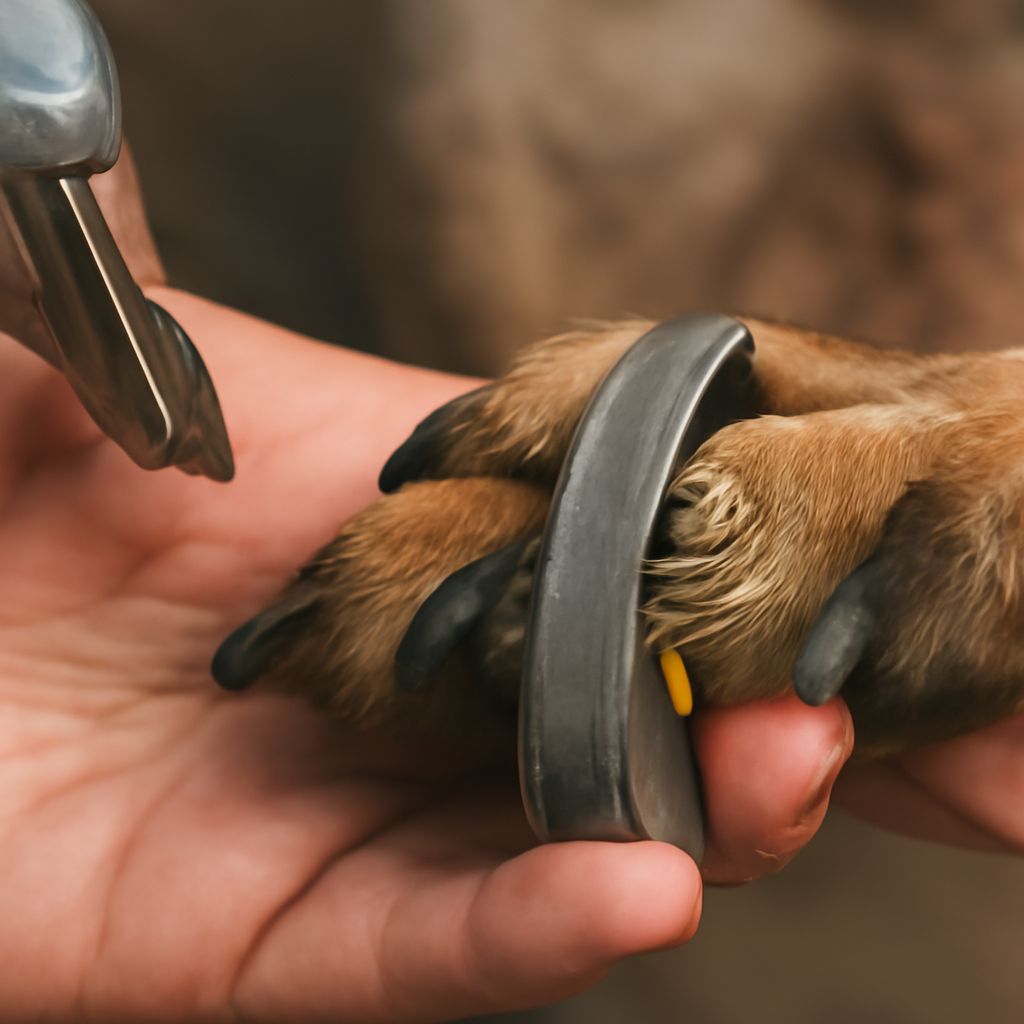
Cutting black dog nails safely involves a few essential techniques. Firstly, prepare your dog and create a calm environment. Gently handle their paws to make them comfortable. Use a sharp, high-quality nail clipper designed for dogs. When clipping, make several small snips rather than one large cut to avoid hitting the quick. Look for a chalky white ring inside the nail to identify the quick’s proximity.
Be sure to have styptic powder on hand to stop bleeding in case the quick is accidentally nicked. A steady hand and patience are key to a successful trimming session. If you’re unsure about cutting your black dog’s nails, consult a professional groomer or veterinarian to demonstrate proper techniques, ensuring your pet’s safety and comfort.
Alternatives to Clipping: Grinding and Filing
Grinding and filing offer alternatives to traditional nail clipping, especially beneficial for black dog nails where the quick is not visible. Grinding involves using a rotary tool to gradually shorten the nail, making it easier to avoid the quick. This method is particularly suitable for dogs with thick nails, providing a smoother finish.
Filing dog nails is another option, using a file to gradually wear down the nail’s length. Although slower, filing provides precise control and reduces the risk of cutting too deeply. For those inexperienced in these techniques, seeking advice from a licensed groomer can provide guidance and ensure your pet’s nails are maintained safely and effectively.
Key takeaways: Regularly cutting black dog nails is crucial for their health and well-being. Whether you choose clipping, grinding, or filing, understanding and using proper techniques is essential. For complex situations or uncertainty, consulting a professional is recommended to maintain your pet’s safety and health.