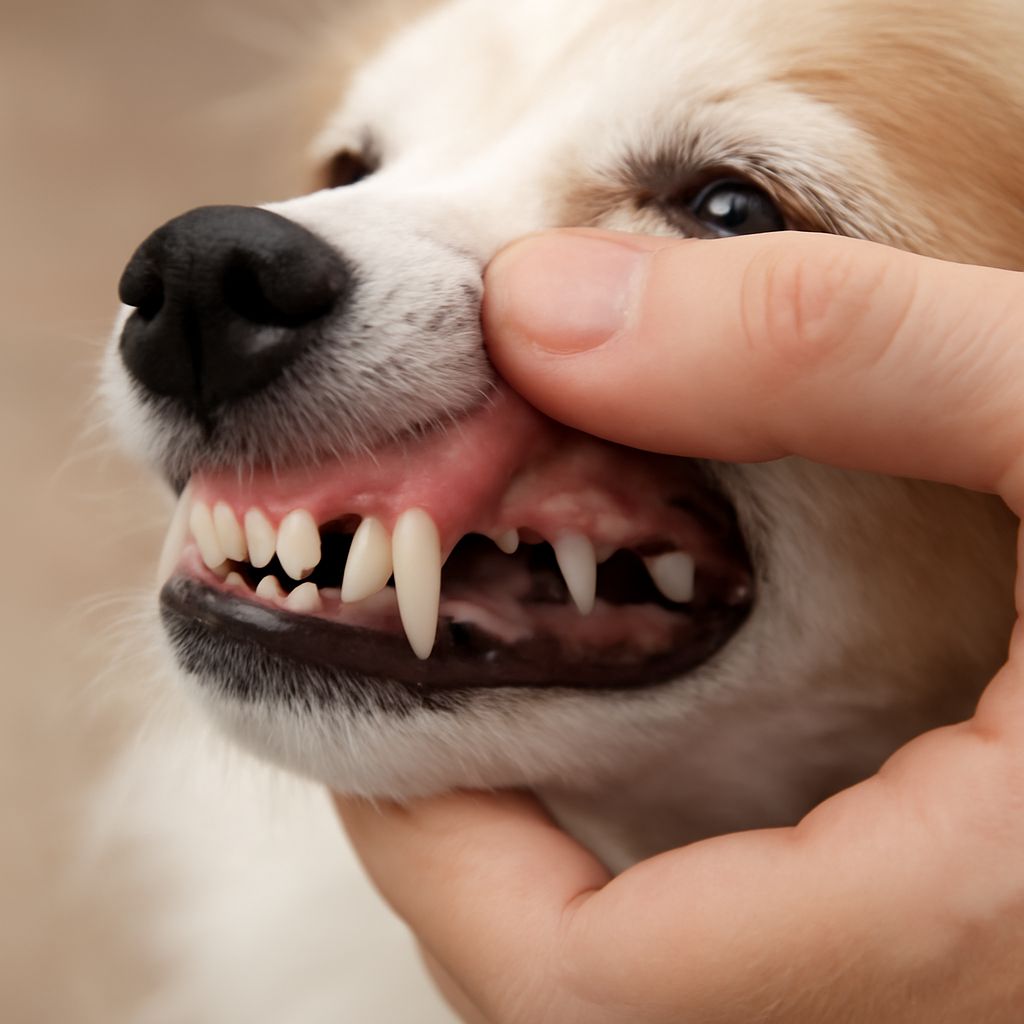
It’s often assumed that dogs missing teeth live compromised lives, lacking the ability to enjoy their favorite activities or foods. However, this is a myth! Dogs missing teeth can still lead healthy and fulfilling lives with proper care. From adjusting their diet to ensuring their comfort, a range of solutions exists to enhance their well-being. Meanwhile, have you ever considered a mongoose as a pet? This intriguing companion might just be the complement your household needs, especially if you’re providing a home for a toothless dog. Let’s explore how this unique pet can fit into your life.
Understanding the Needs of Dogs Missing Teeth
Dogs without a full set of teeth require specific care to ensure they maintain their quality of life. The primary consideration is their diet. When a dog is missing teeth, softer foods are often more appropriate to prevent discomfort. Meals can include wet food alternatives or specially prepared home-cooked meals that are easy to chew.
Dental hygiene remains crucial even for dogs missing teeth. Regular veterinary check-ups are essential to monitor their oral health and to address any potential issues. Additionally, you can use special dental treats designed for dogs with fewer teeth to help keep their mouths healthy and fresh.
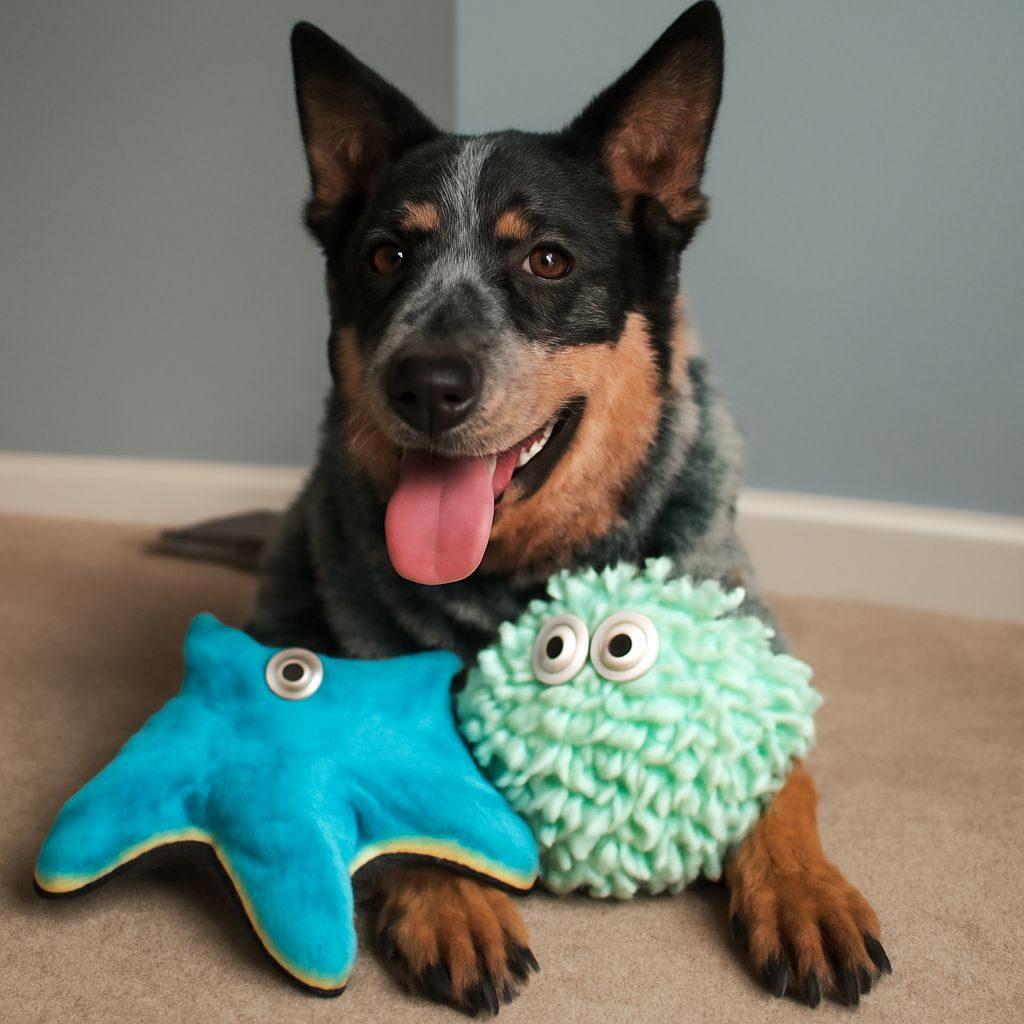
Finally, providing toys that are gentle on the gums is beneficial. Soft rubber toys can entertain without causing harm or discomfort. By adapting to their needs, dogs missing teeth can thrive just as much as any other canine.
Can a Mongoose Be a Suitable Pet?
Considering a mongoose as a pet is an unconventional choice but one with unique advantages. Mongooses are known for their intelligence and playful nature, which can make them engaging companions. Before adopting a mongoose, it’s vital to understand their specific needs, including diet and habitat requirements.
Mongoose pets require a diet rich in protein, often including fresh fruits and insects. Additionally, they need ample space to explore and engage in their natural behaviors. A secure outdoor enclosure or a dedicated indoor area can help meet these needs.
Mongooses are social animals, but their integration into a household requires attention and patience. Potential owners must commit to their care and training to ensure they adapt well to their new environment. A mongoose as a pet can be a rewarding experience with the proper preparation and commitment.
Integrating a Mongoose as a Pet with Dogs
Integrating a mongoose with dogs, particularly those missing teeth, can be a harmonious process. Initially, manage introductions in a controlled environment, allowing both animals to acclimate to each other’s presence. Observing their interactions closely is crucial to ensuring safety and compatibility.
Maintaining separate spaces initially can help each pet feel secure and prevent territorial disputes. As trust builds, gradual interaction with supervision will facilitate a smoother integration. Dogs missing teeth may require gentler playmates, and observing their reactions to the mongoose is important.
It’s essential to note that each animal is unique, and their compatibility can vary. Consulting with a veterinarian or an animal behaviorist may offer insights tailored to your specific pets. This professional guidance ensures both the mongoose and dogs thrive together in a shared environment.
Key takeaways: Dogs missing teeth can lead fulfilling lives with appropriate diet and care. A mongoose can be a captivating and rewarding pet with unique needs. Successful integration of a mongoose with dogs requires patience and professional guidance to ensure a harmonious household.