It’s a common worry among dog owners: your dog won’t eat but drinks water. This situation can seem puzzling and may lead to a myriad of concerns. However, understanding why this happens is crucial for canine well-being. Whether it’s an older dog not eating or a pup refusing meals, knowing the root cause can help guide your actions.
While many might think a dog drinking water while refusing food is always a sign of severe illness, that’s not always the case. Sometimes, simple changes or minor issues are at play. Let’s dive into why your dog might skip meals yet consistently reach for the water bowl.
Why Is My Dog Not Eating But Drinking Water?
In many instances, a dog not eating but drinking water could be a response to environmental changes. Moving homes, the introduction of a new pet, or even a change in routine can cause temporary appetite loss. Dogs are sensitive creatures, and their eating habits can reflect their emotional state.
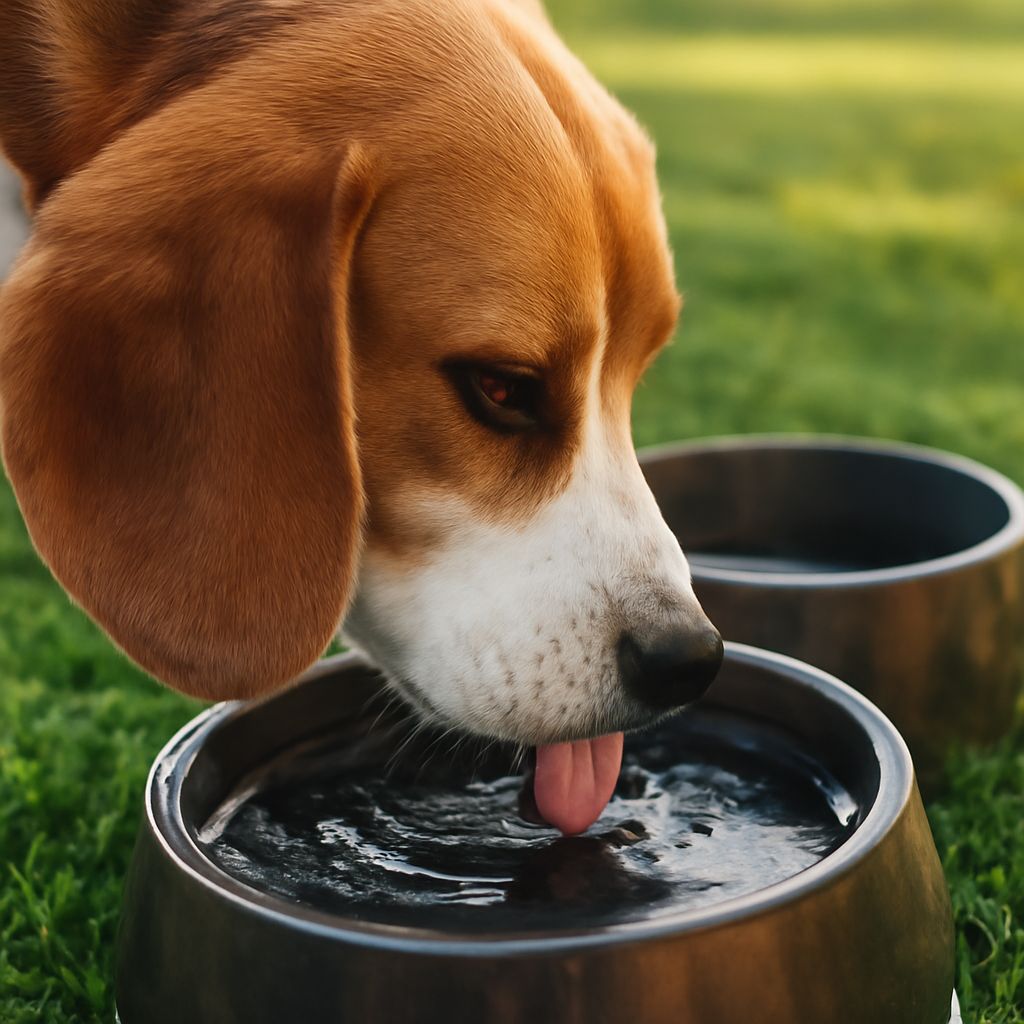
Health issues can also be a factor. Gastrointestinal disturbances, minor infections, or even a recent vaccination can lead to a dog refusing food. However, if your dog drinks water regularly, it’s a sign that they are still interested in staying hydrated, which is a positive indicator amidst eating concerns.
It’s essential to monitor your dog’s behavior carefully. Notice any other symptoms like lethargy, vomiting, or diarrhea. These signs, combined with a loss of appetite, may warrant a closer look into their health.
Common Reasons for an Older Dog Not Eating
An older dog not eating may be experiencing age-related issues that affect its appetite. Dental problems are common in senior dogs, making chewing painful and deterring them from eating. Regular dental check-ups can prevent this problem from escalating.
Metabolic disorders, such as kidney disease or diabetes, can also suppress appetite in older canines. These conditions often require a veterinary diagnosis and tailored treatment plans. Weight loss and increased water intake, alongside appetite loss, can indicate a need for medical attention.
Changes in taste preferences are not uncommon in older dogs. They might become picky eaters, preferring certain textures or flavors. Experimenting with various dog food types—wet, dry, or homemade—can sometimes reignite interest in eating.
When to Seek Veterinary Help If Your Dog Won’t Eat
If your dog won’t eat and the issue persists for more than 24 hours, it’s prudent to contact a veterinarian. This advice is particularly vital for puppies and older dogs, where nutritional intake is crucial to health and vitality.
Severe symptoms accompanying a dog’s refusal to eat, such as excessive vomiting, diarrhea, or weakness, require immediate veterinary care. These symptoms could indicate serious health conditions that need professional intervention.
For cases involving complex diagnosis or treatment, such as suspected metabolic disorders or severe dental problems, consulting with a licensed veterinary professional is essential. They can perform the necessary tests and recommend appropriate dietary adjustments or medical treatments.
Bottom line: A dog not eating but drinking water might seem concerning, but understanding the potential reasons can ease worry. Monitor your dog’s symptoms and consult a veterinarian if necessary to ensure their health and happiness.