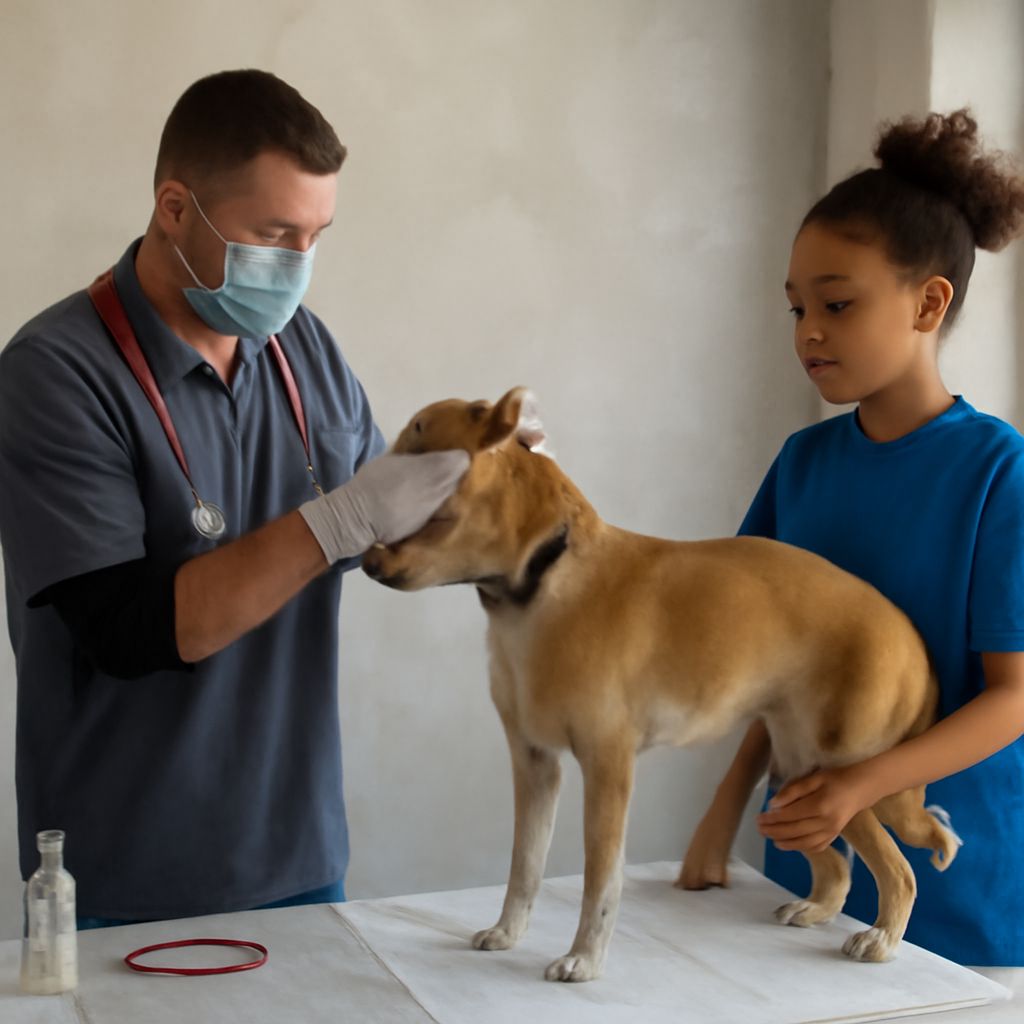
Cystotomy dog surgery is often misunderstood and shrouded in myths. Many pet owners worry that such a complex procedure might lead to long-term complications or that it’s only necessary for severe cases. However, understanding the actual process and its benefits can alleviate these concerns. Moreover, this surgery often becomes the lifeline for dogs suffering from bladder issues that cannot be resolved with less invasive methods. The role of pet dental health is crucial in this context, as it impacts overall anesthesia safety and recovery. Additionally, accessories like dog bone paper clips and dog compression shirts can significantly aid in the healing process by providing stability and comfort.
What is Cystotomy Dog Surgery?
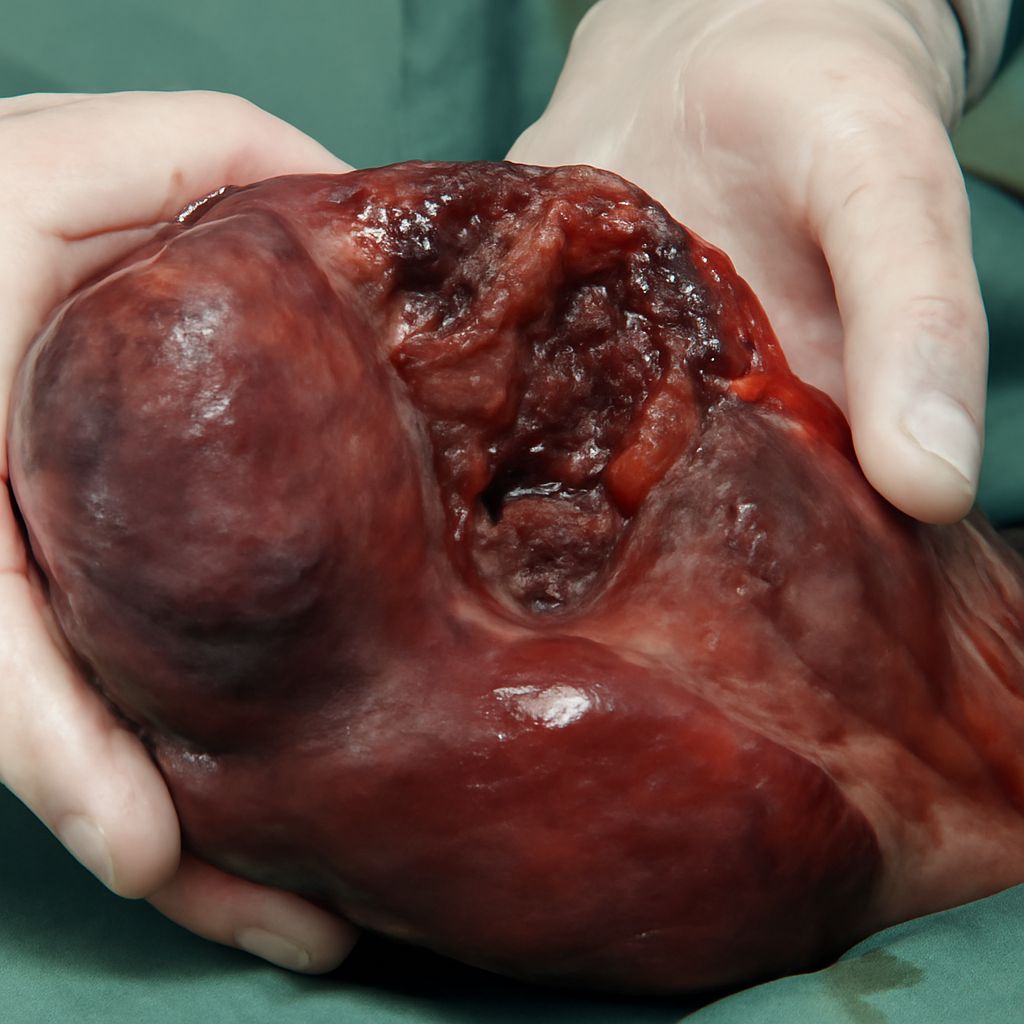
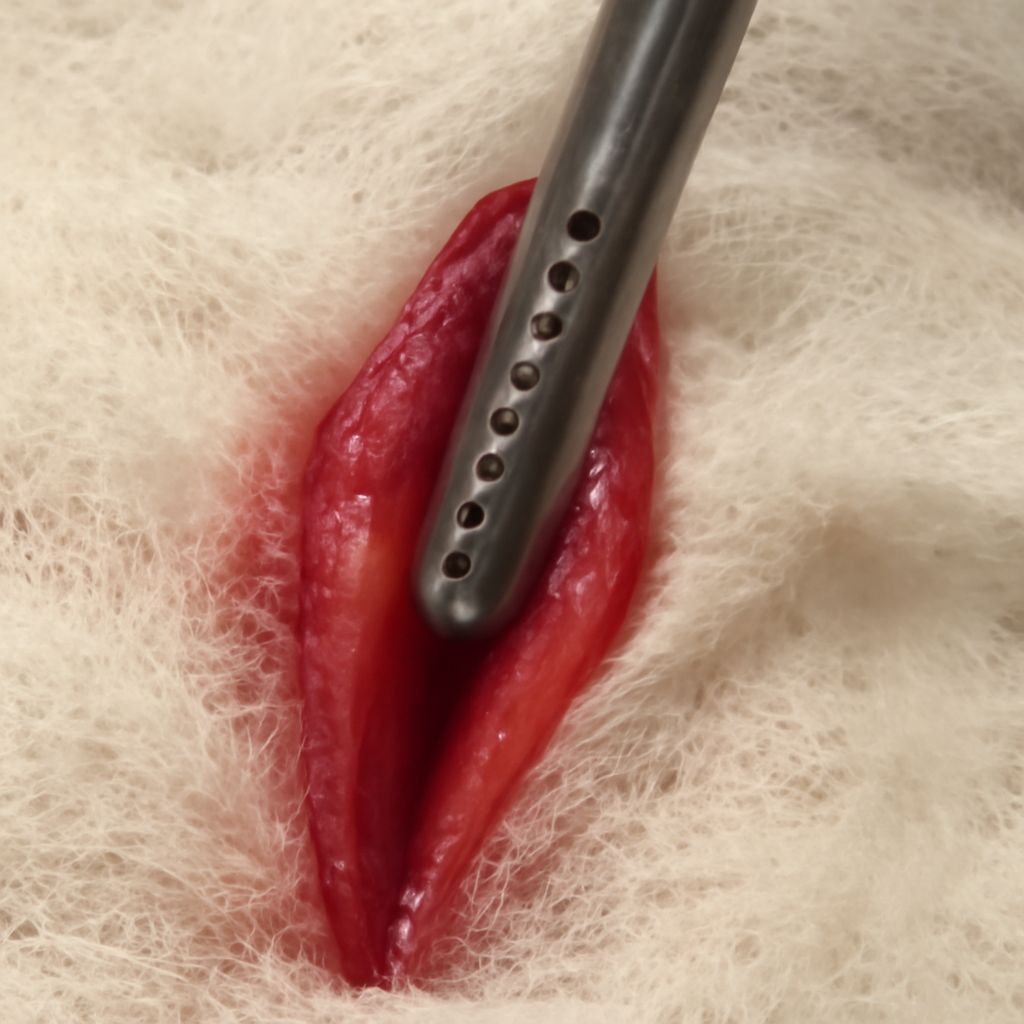
Cystotomy in dogs is a surgical intervention designed to access the bladder, usually for the removal of bladder stones, tumors, or other obstructions. During this procedure, an incision is made in the dog’s abdomen to allow the veterinarian to work directly on the bladder. This operation is essential when less invasive options fail to resolve urinary issues.
Variations of the term ‘cystotomy’ may include terms like ‘cystoscopic’ procedures, which refer to using a camera to assist with the surgery. These minimally invasive techniques are not always applicable but can be beneficial in specific scenarios.
Post-operation, veterinarians monitor for any signs of infection or complications, ensuring the dog returns to its normal activities as safely and quickly as possible. Veterinary guidance is vital in managing recovery, which might include dietary adjustments and medication.
How Does Pet Dental Health Impact Surgery?
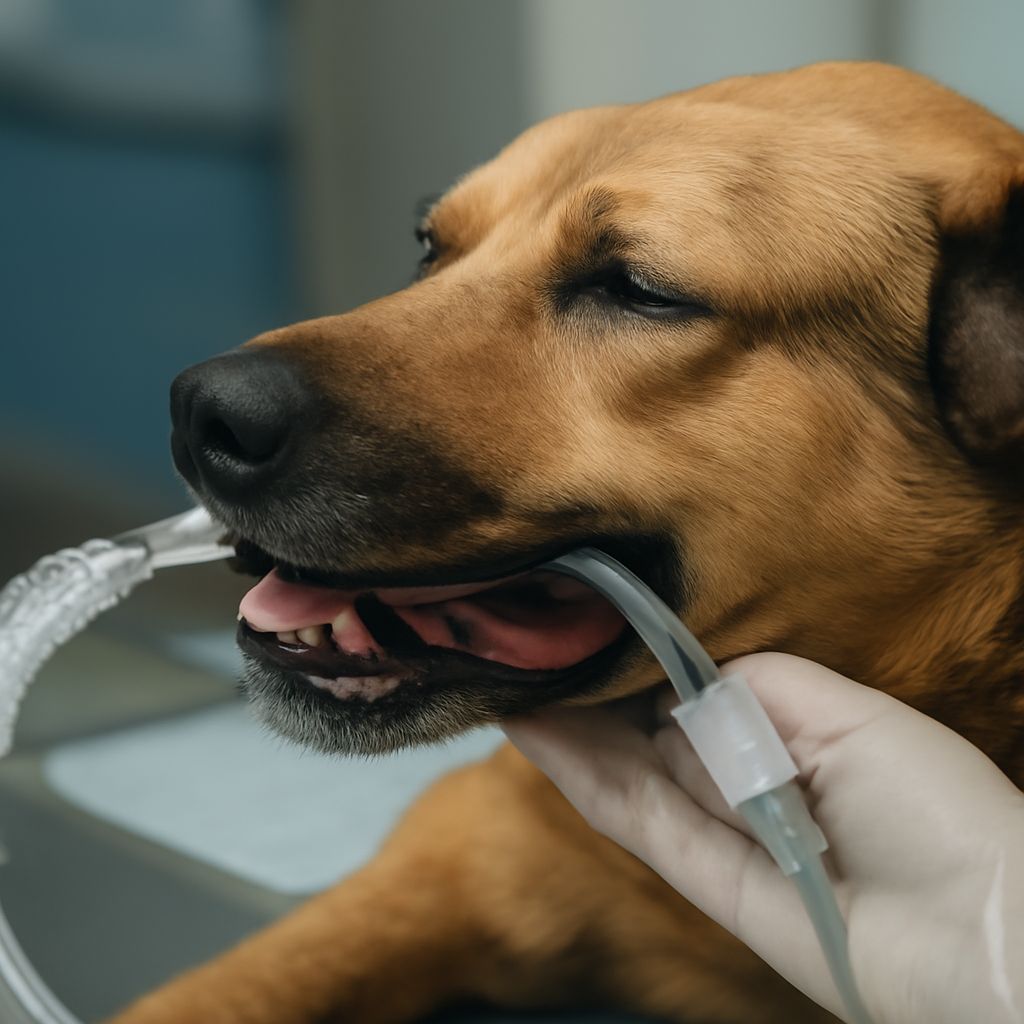
Pet dental health plays a surprisingly significant role in the success of cystotomy dog surgery. Poor oral health can lead to an increased risk of bacteria entering the bloodstream during anesthesia, which complicates surgical outcomes. Maintaining a regular dental care routine is essential for minimizing these risks.
Ensuring your dog’s teeth are clean can prevent potential complications from arising during surgery. Veterinary professionals recommend regular check-ups and cleanings to keep dental disease at bay, which is crucial for a successful surgical process.
In addition to professional cleanings, pet owners can use various dental care products designed specifically for dogs. These include toothbrushes, dental chews, and water additives that help maintain oral hygiene.
What Are the Side Effects of Dog Bladder Stone Surgery?
After undergoing surgery for bladder stones, dogs may experience several side effects. Common post-operative symptoms include discomfort, a temporary decrease in appetite, and mild lethargy. These are typical as the dog recovers from both the surgery and the anesthesia.
It’s important to monitor for any more severe side effects, such as signs of infection at the incision site, persistent vomiting, or behavioral changes indicating pain. Swift veterinary intervention is necessary if these occur.
To enhance recovery, veterinarians often recommend using products like dog compression shirts. These garments provide gentle pressure, which can reduce swelling and promote healing. Additionally, items like dog bone paper clips can be used to help manage wound dressing without causing irritation.
Bottom line: Understanding cystotomy dog surgery and the factors influencing its success, like pet dental health, can help owners make informed decisions. This knowledge, combined with appropriate post-operative care, ensures a smoother recovery for the pet. Always consult a licensed veterinarian for complex issues or if severe post-surgery symptoms emerge.