Many pet owners believe that their dogs are naturally adept at regulating their water intake and that dehydration is rarely an issue for them. However, this is a myth that can have serious consequences. Recognizing the signs of dog dehydration is crucial, as it can be a subtle yet severe condition. Understanding dog dehydration symptoms, knowing how to assess if your pet is dehydrated, and considering options like dehydrated chicken dog treats can all play a role in ensuring your dog’s well-being.
What Are Common Dog Dehydration Symptoms?
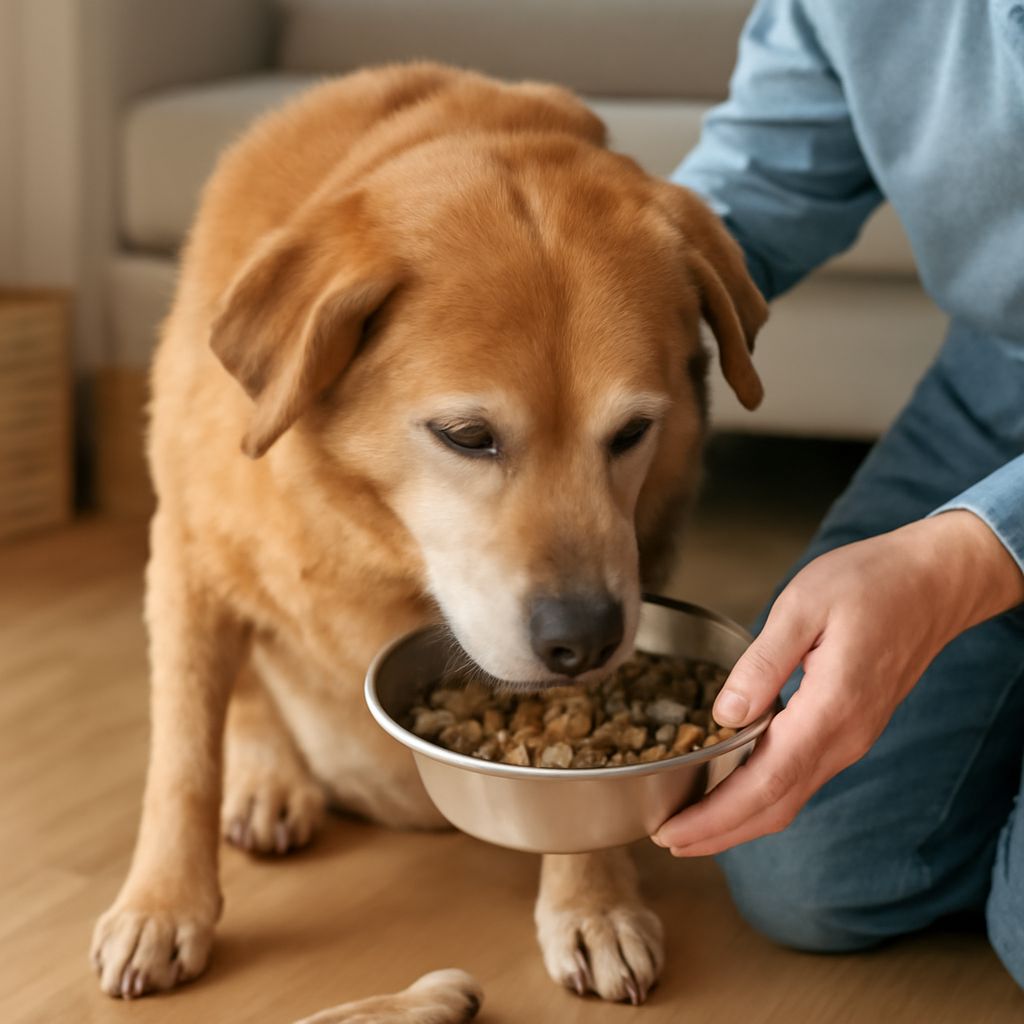
Dog dehydration symptoms can manifest in several ways, some of which may not be immediately obvious. A dehydrated dog often shows signs of lethargy, a decrease in skin elasticity, and a noticeable dryness in the mouth and nose. You might also observe sunken eyes and a loss of appetite, which are clear indicators that the dog needs more hydration.
Alongside these signs, a dog’s gums might become dry and sticky, and they may pant excessively. When you detect these dehydration symptoms in dogs, it’s essential to address them promptly to prevent more serious complications.
How to Tell If My Dog Is Dehydrated
Assessing whether your dog is dehydrated involves a few simple checks that any pet owner can perform. The skin elasticity test is one of the most effective methods. Gently pinch the skin at the back of your dog’s neck. If the skin doesn’t snap back quickly into place, it’s a sign that your pet might be dehydrated. Other indicators include checking their gum moisture and observing their general behavior and energy levels.
If you suspect dehydration, increase their water intake and monitor them closely. In cases where the dog shows severe dehydration symptoms, consulting with a veterinarian is vital to rule out underlying health issues and to receive professional advice.
Can Dehydrated Chicken Dog Treats Help?
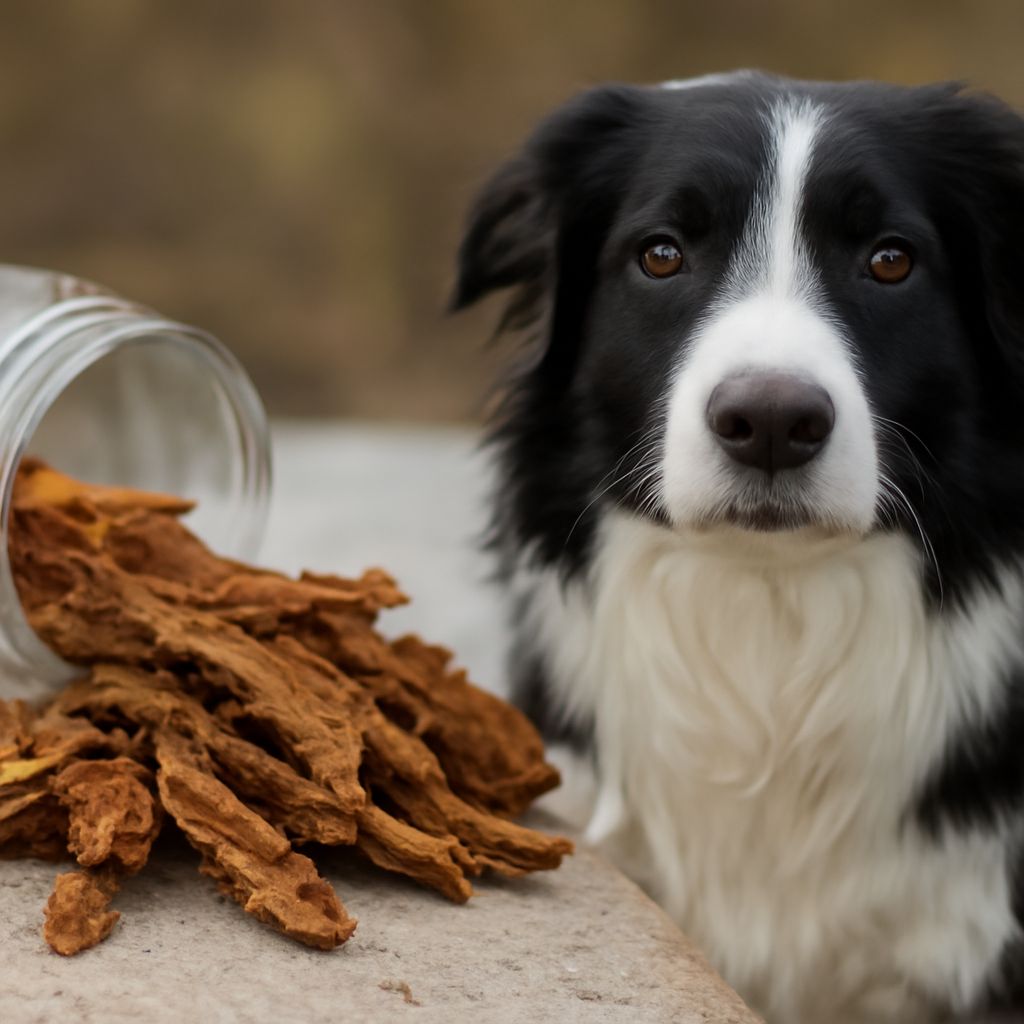
Dehydrated chicken dog treats can be a beneficial addition to your dog’s diet, especially if your pet is a picky eater or if you’re looking to supplement their nutrition. These treats not only provide essential nutrients but can also encourage your dog to drink more water as they are absorbed.
While these treats can support hydration indirectly, they should never replace fresh water. It’s crucial to maintain a consistent supply of clean, fresh water for your pet at all times. Dehydrated chicken treats can be a tasty way to reward your dog while subtly boosting their water intake when used alongside regular hydration practices.
Bottom line: Understanding and identifying dog dehydration symptoms can safeguard your dog’s health. Employ simple checks to assess if your dog is dehydrated and consult a vet when necessary. Dehydrated chicken dog treats can complement your efforts, but maintaining ample water availability is key.