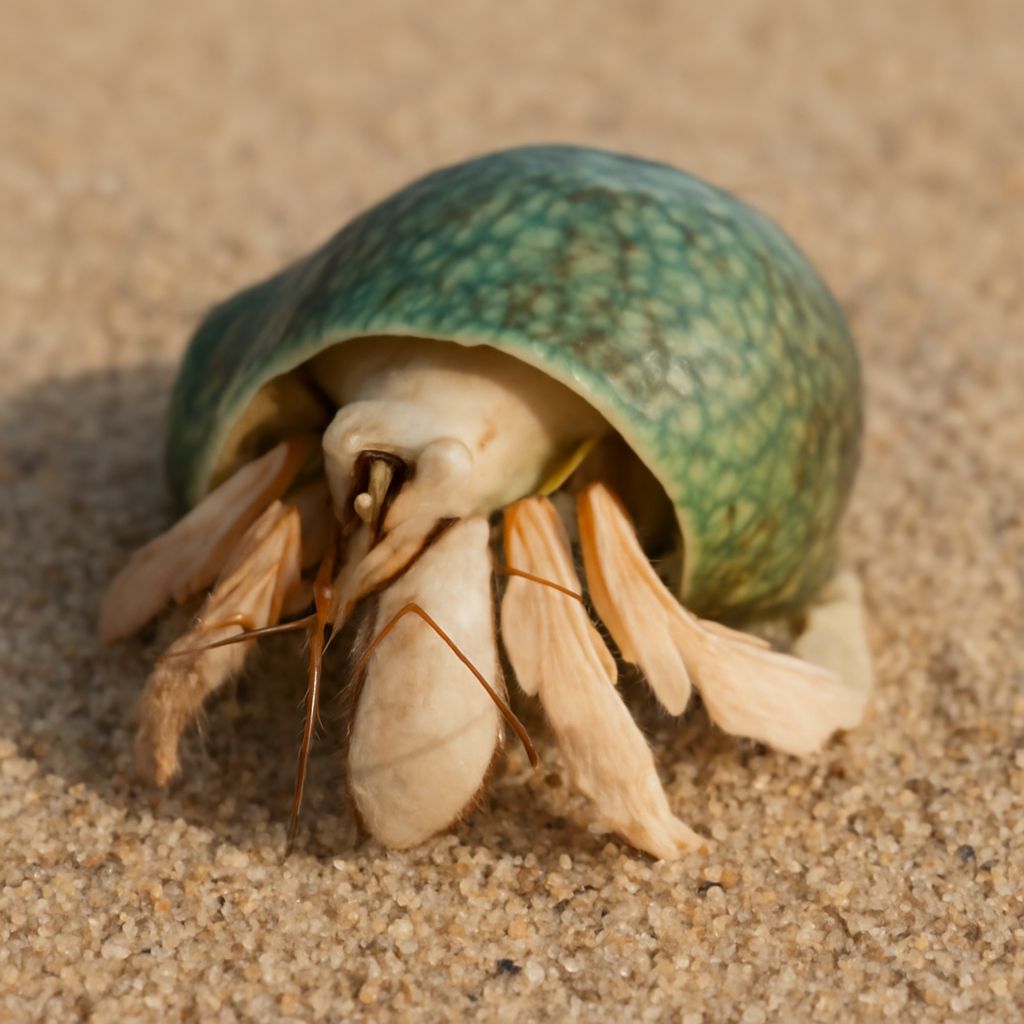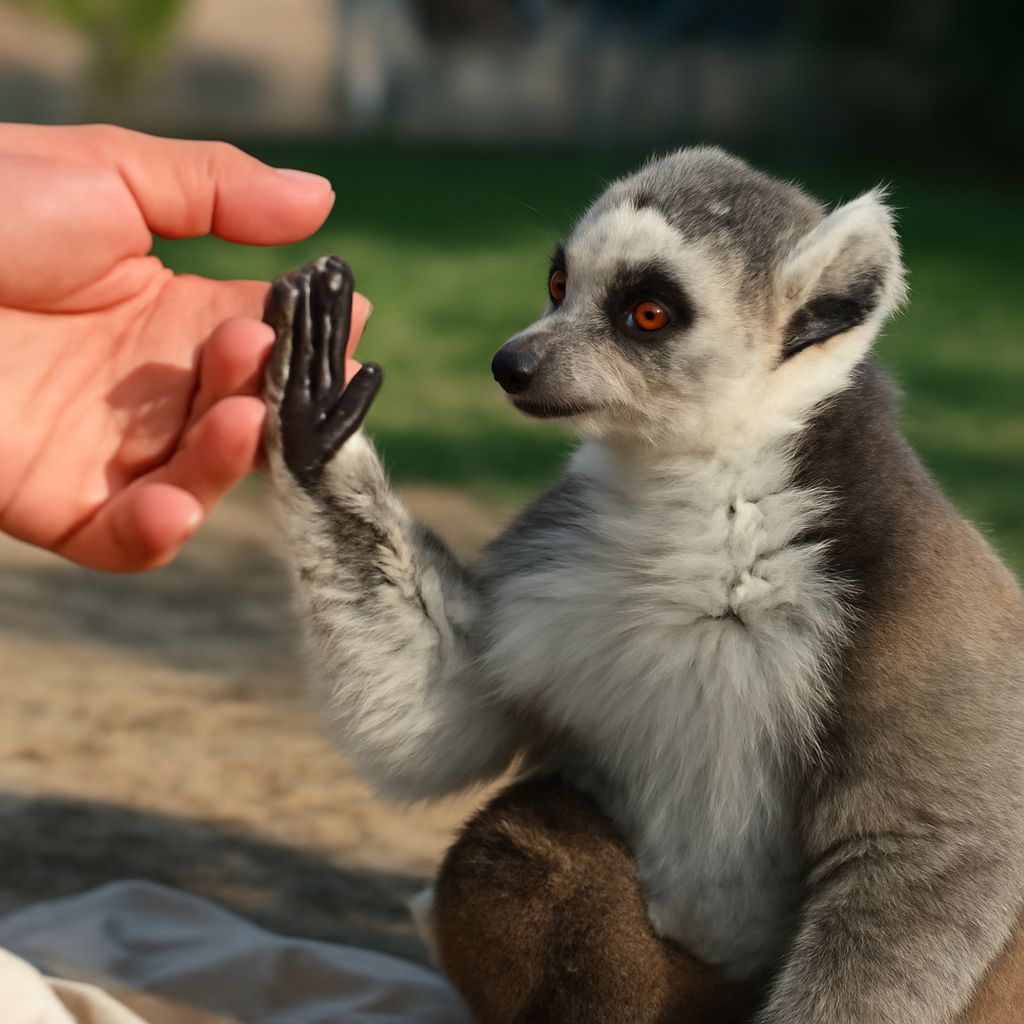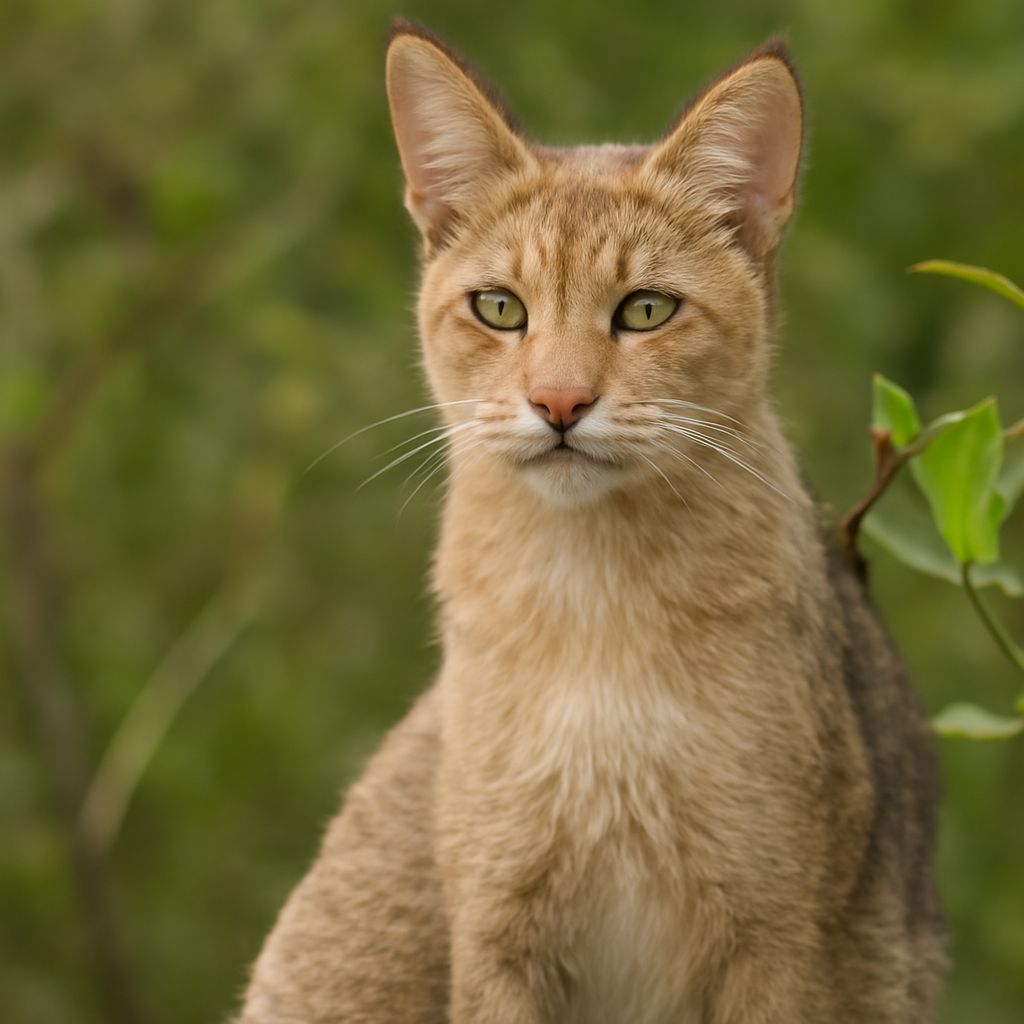
There is a common myth that exotic animals as pets are challenging to care for, more dangerous, or less rewarding than traditional pets. However, having exotic animals as pets can be an enriching and unique companionship experience. While not every exotic animal is suitable for every household, many find themselves at home in diverse living environments. With the right knowledge and preparation, these extraordinary creatures can bring joy and fascination to pet owners.
Exploring a list of exotic pets reveals the variety of options available, each with its own specific care requirements and benefits. From reptiles to birds, each exotic pet offers a distinct way to engage with nature and wildlife, encouraging a deeper appreciation for the diversity of life.
What Makes Exotic Animals Suitable as Pets?
Exotic animals can be suitable as pets for a variety of reasons. Many of these creatures possess unique traits that make them fascinating companions. They often have specific behavioral patterns and environmental needs that, when met, can lead to a fulfilling pet-owner relationship. For example, reptiles often require less hands-on attention than mammals, making them an excellent choice for those seeking a less demanding pet.
Moreover, the appeal of having exotic animals as pets often lies in their distinctive appearances and behaviors. These animals can introduce a sense of wonder and curiosity into a household, captivating both children and adults alike. Proper research and understanding of an animal’s natural habitat and dietary needs are crucial in ensuring that they thrive in a domestic setting.
Why Choose from the List of Exotic Pets?
Selecting from a list of exotic pets allows potential pet owners to find an animal that suits their lifestyle and living arrangements. Each species comes with unique requirements, allowing for a tailored pet experience. Whether you have time constraints, space limitations, or specific interests, there is likely an exotic pet that fits your situation.
The list of exotic pets also provides an opportunity to educate oneself about various species and their natural environments. This knowledge not only enhances the pet-owner bond but also fosters a greater respect for wildlife conservation efforts. By choosing exotic animals as pets, individuals can actively participate in preserving these species and their habitats.
What Are the Top 10 Exotic Pets to Consider?
The top 10 exotic pets to consider include a diverse array of species, each offering unique attributes. Popular choices often begin with reptiles like bearded dragons and leopard geckos, known for their manageable size and relatively simple care requirements.
Bird enthusiasts might explore options such as parrots and cockatiels, while those interested in mammals might consider sugar gliders or hedgehogs. Each of these animals has specific dietary and environmental needs, emphasizing the importance of thorough research before bringing an exotic pet into the home.
For aquarists, exotic fish species can provide a colorful and dynamic addition to any space, with options ranging from the vibrant Betta fish to the fascinating axolotl. Amphibians like frogs and salamanders can also be intriguing choices, offering a glimpse into the world of amphibious life.
Why Exotic Animals Should Be Pets
Exotic animals should be pets because they offer unique companionship and the opportunity to learn more about the world’s biodiversity. By opting for an exotic pet, owners can explore a new dimension of pet care that extends beyond typical domestic animals. This choice encourages a broader understanding of the responsibilities involved in pet ownership and underscores the importance of conservation.
When cared for properly, exotic animals can form strong bonds with their owners, providing companionship and enjoyment. Their distinct presence in a household can inspire learning and curiosity, making them excellent additions to families and individuals seeking to engage more deeply with the natural world.
Safety Recap: If choosing an exotic pet, ensure you understand their specific care needs. For complex or unfamiliar situations, consulting with a licensed exotic animal specialist is recommended to provide the best care for your unique pet companion.