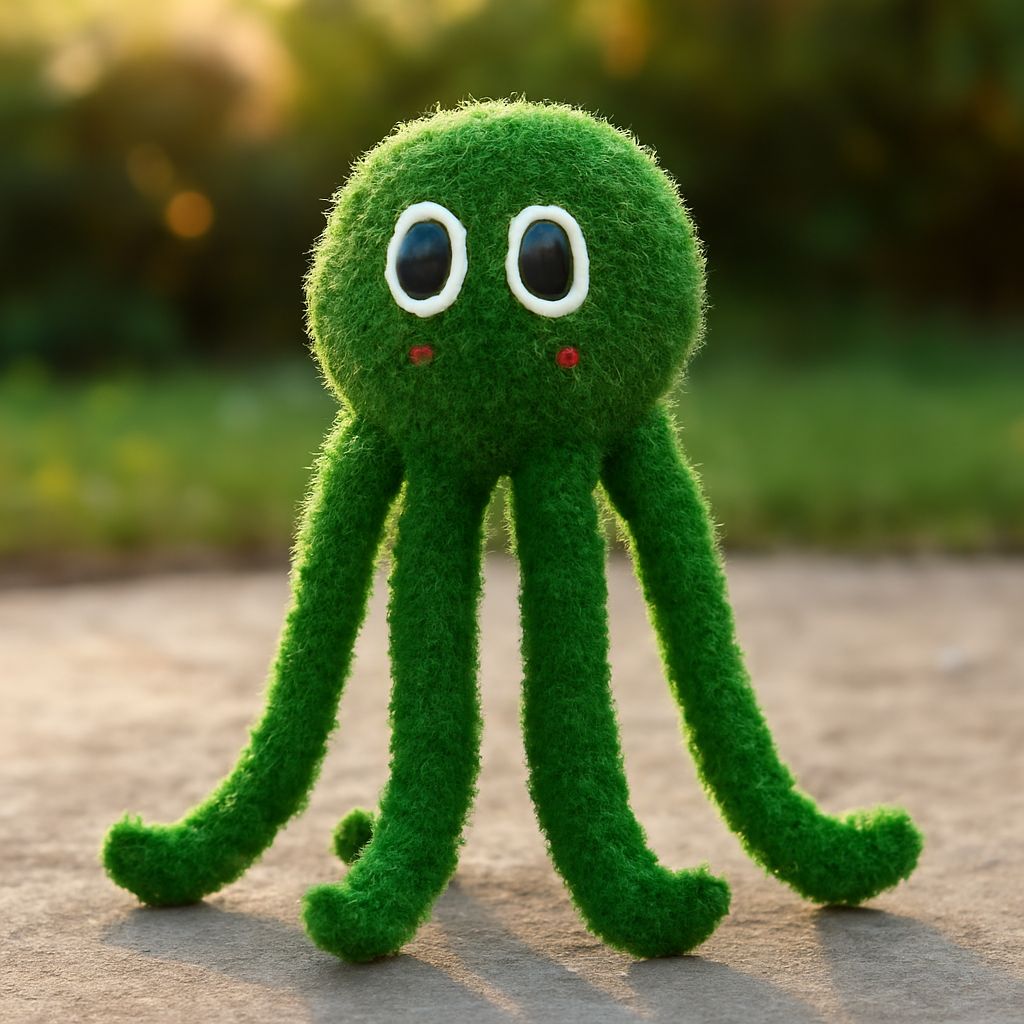
While owning a pet octopus might seem outlandish to some, these creatures can be captivating and rewarding companions. Many misconceptions exist about keeping them, such as the belief that they are impossible to care for or that their needs are too complex. This article seeks to dispel these myths by outlining how to care for your pet octopus, from setting up a pet pad to recognizing the signs of a sick pet. With the right approach, they can thrive in a domestic setting.
It is essential to understand that proper preparation and ongoing care are crucial for maintaining a healthy pet octopus. Equipping yourself with the knowledge to set up a suitable habitat and transport your octopus safely will help you become a more confident and effective pet owner. Consulting resources like those available from a Northwest Pet Clinic can provide further guidance on specialized care.
What Makes a Pet Octopus Special?
Pet octopuses are unique due to their intelligence and fascinating behavior. Their ability to solve puzzles and interact with their surroundings makes them engaging pets for those willing to invest time in their care. Unlike traditional pets, an octopus can display a wide range of behaviors and adapt to different environments, making them an intriguing choice for animal enthusiasts.
These creatures exhibit curious behaviors such as color changing and escaping attempts, which are captivating to observe. Their short lifespan of one to two years ensures that potential pet owners are not committing to a long-term obligation, which can be a plus for some.
How to Create the Ideal Pet Pad for Your Octopus
Setting up a pet pad for your octopus requires careful consideration of their specific needs. A large tank, ideally 50 gallons or more, provides them with ample space to explore and exercise their natural behaviors. Ensure that the tank is equipped with secure lids to prevent escape. The water quality must be meticulously maintained, with parameters such as pH, salinity, and temperature tailored to the species of octopus.
Including various hiding spots, such as rocks and PVC tubes, can mimic their natural habitat and offer enrichment. Providing a stimulating environment helps in keeping your octopus engaged and healthy. Regular cleaning and monitoring of tank conditions are essential to prevent health issues.
Transporting Your Pet Octopus: Choosing the Right Trailer
Transporting a pet octopus requires a specialized pet trailer that ensures safety and comfort. When selecting a pet trailer, prioritize models that offer temperature control and secure compartments to prevent stress during transport. It is critical to minimize travel time and avoid unnecessary movements that could distress the octopus.
Ensure that the transport container has ample water and is stabilized to prevent spills. Regular checks during transit can help you monitor the octopus’s condition and adjust conditions as necessary.
Recognizing a Sick Pet Octopus
A sick pet octopus may exhibit signs such as unusual lethargy, color loss, or refusal to eat. Observing changes in behavior or appearance can be critical in identifying potential health issues early. A proactive approach in monitoring your pet’s health will allow for timely intervention.
If your octopus shows signs of illness, it is advisable to consult with a veterinarian experienced in marine life. Professional guidance can aid in diagnosing problems accurately and prescribing appropriate treatments.
Why Visit a Northwest Pet Clinic?
Visiting a Northwest Pet Clinic provides access to specialized knowledge in exotic pet care. These clinics offer resources and advice tailored to the needs of marine animals like octopuses. Regular check-ups can help in maintaining your pet’s health and ensuring that their living conditions remain optimal.
Clinicians familiar with octopus care can assist in addressing complex health issues, recommending dietary adjustments, and providing insights into behavioral concerns. For complex cases such as severe damage or intricate health conditions, their expertise is invaluable.